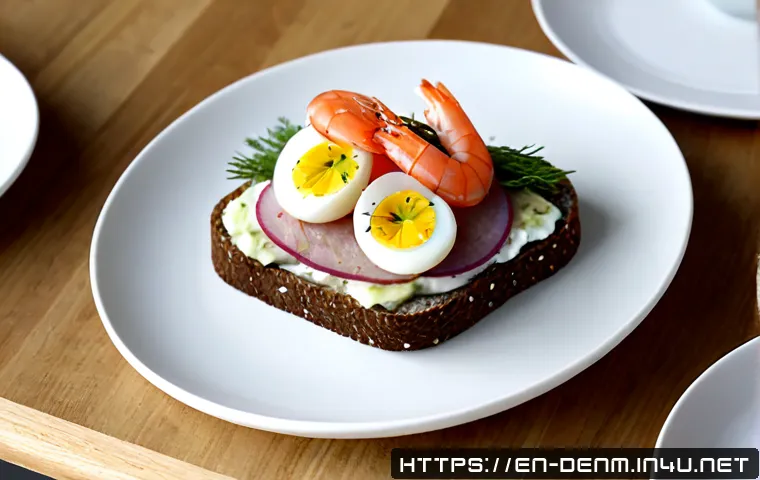
Smørrebrød is Denmark’s classic open-faced sandwich: buttered rye bread topped with carefully layered fish, meat, eggs, cheese, or vegetables. It is best for travelers and food lovers who want a Danish-style lunch that feels more deliberate than an ordinary sandwich.

First-time diners can start with mild roast beef, egg, potato, or shrimp options before trying pickled herring. A restaurant meal can be worth the higher spend when presentation, traditional variety, and a relaxed lunch experience matter.
Casual cafés, food halls, cooking classes, and home preparation each offer a different balance of convenience, choice, and cost. Check the bread, sauces, seafood ingredients, and number of pieces before ordering.
At a Glance
- Smørrebrød means roughly “buttered bread” and is traditionally served on buttered Danish rye bread, or rugbrød.
- It is usually a lunch dish, served open-faced with toppings arranged in deliberate layers.
- Choose a casual café for flexibility, a traditional lunch restaurant for variety and presentation, or a cooking class if you want to recreate it at home.
| Option | Best For | What to Consider |
|---|---|---|
| Casual café | A quick first introduction | Check the available toppings, bread choices, and how many pieces make a lunch. |
| Traditional lunch restaurant | A classic Danish dining experience | Menus may offer more traditional combinations; reservation needs and prices can vary. |
| Food hall | Flexible dining and mixed groups | Useful when people want different foods, but presentation and menu range may differ by stall. |
| Danish cooking class | Home cooks and food-focused travelers | Look for the ingredient list, dietary options, and whether rye bread and traditional toppings are included. |
| Home-made | Ingredient control and relaxed experimenting | Specialty Nordic food ingredients can help, but recipes and topping order vary widely. |
What Makes Smørrebrød a Danish Classic?
The essential formula: buttered rye bread and layered toppings
At its core, smørrebrød is buttered rugbrød topped without a second slice of bread. The dense rye base supports toppings such as fish, meat, eggs, cheese, vegetables, herbs, and creamy sauces. It may look simple at first, but the arrangement matters: ingredients are commonly layered to create contrast in flavor, texture, and appearance.
Why it is usually eaten with a knife and fork
Smørrebrød is not designed to be folded or picked up like a closed sandwich. The toppings can be generous, layered, and sauced, so a knife and fork are the practical choice. This is especially useful with herring, shrimp, roast beef, egg, or creamy salad-style toppings.
A quick guide for first-time diners
If you are new to Danish lunch culture, begin with one familiar topping and one more traditional choice. A roast beef, egg, potato, or cheese-based piece may feel approachable. Pickled herring is a classic next step, but its distinctive flavor is not for everyone. Ask what each piece contains before ordering, particularly when sauces or seafood preparations are not obvious.
Popular Toppings and How Their Flavors Compare
Pickled herring and other seafood choices
Pickled herring is one of the best-known smørrebrød toppings. It is often paired with onion, curry salad, or egg. Seafood-focused diners may also find shrimp or smoked fish options. These can be a good choice for visitors seeking traditional Nordic cuisine, but anyone with a shellfish or fish allergy should confirm the exact ingredients and preparation.
Roast beef, liver pâté, and egg-based options
Roast beef offers a familiar meat-based route into smørrebrød. Liver pâté is another recognized option, while egg can appear alone or alongside other toppings. These choices can still be rich, particularly when paired with butter or creamy sauces, so a balanced order is often better than choosing several heavy pieces at once.
Potato, cheese, and vegetable-friendly alternatives
Potato toppings can be a comfortable choice for cautious eaters, while Danish blue cheese offers a stronger flavor direction. Vegetable-based combinations may be available, but vegetarian suitability is not automatic: bread, butter, sauces, and garnishes all need checking. A restaurant or food hall menu may make it easier to compare ingredients before deciding.
Restaurant, Food Hall, or Home-Made: Which Option Offers the Best Value?
Casual lunch counters versus traditional sit-down restaurants
A casual café can suit travelers who want a straightforward lunch and the freedom to choose only a few pieces. A traditional lunch restaurant may be a better fit when you want a broader view of Danish food culture, careful presentation, and more classic topping combinations. The stronger dining experience may justify a higher spend for some visitors, but menu format and portion style vary by venue.
What can affect the price of a smørrebrød meal
Restaurant prices can change with the city, venue, season, toppings, menu format, and whether drinks are included. Seafood, specialty ingredients, and more elaborate presentation may affect the overall bill. Rather than assuming every piece is a full meal, check how the restaurant describes portions and ask staff for guidance on the number of pieces per person.
When a tasting menu or Danish cooking class may be worthwhile
A tasting-style lunch can make sense when you want to try several traditional flavors without building your own selection blindly. A Danish cooking class may offer more value for travelers who enjoy learning techniques, shopping for specialty Nordic food ingredients, and making smørrebrød after the trip. Review the class details for included ingredients, dietary accommodations, and the cooking format.
How to Order and Eat It Without Common Mistakes
Choosing the right number of pieces for lunch
A traditional Danish lunch may include several small pieces rather than one oversized sandwich. The right amount depends on the size of each piece, the richness of toppings, side dishes, and your appetite. Start by asking whether the menu is intended for sharing or individual ordering, especially if several people are dining together.
Dietary, allergy, and seafood questions to ask before ordering
Ask whether the rye bread contains ingredients you avoid, whether sauces include dairy or egg, and whether seafood is present in toppings or garnishes. People avoiding strong pickled flavors should ask which herring preparations are on the menu. Gluten-free, vegetarian, and seafood-allergy needs require individual confirmation because the bread, sauces, fish preparation, and possible allergens can vary.
Pairing considerations for beverages and side dishes

Consider the overall balance of the order before adding beverages or side dishes. Pickled herring, creamy sauces, rich meat, and blue cheese can all bring strong flavors. A simple approach is to mix one richer item with one lighter or vegetable-friendly option, then choose drinks and sides based on the restaurant’s current menu.
Smørrebrød for Different Travel and Dining Situations
A first Danish lunch for cautious eaters
Choose familiar toppings such as roast beef, egg, potato, or a mild cheese option. This lets you experience the defining rye bread and open-faced format without beginning with the sharpest pickled or blue cheese flavors. A café or food hall can be especially practical when you want to compare choices at your own pace.
Options for seafood fans and adventurous diners
Seafood lovers can explore pickled herring, shrimp, or smoked fish selections. For a more traditional experience, try herring with its common accompaniments, such as onion, curry salad, or egg. Order thoughtfully: several seafood and creamy pieces together may feel heavier than expected.
Planning a group meal with mixed dietary preferences
For groups, choose a venue with a clear menu and enough topping variety for different preferences. Confirm bread, butter, sauce, and garnish details before finalizing the order. Food halls can be useful for mixed groups, while a traditional restaurant may be better when everyone wants a shared Danish lunch experience.
Choosing the Right Smørrebrød Experience: Comparison Summary
Best choice for budget-focused travelers
A casual café or food hall may be the most practical starting point when flexibility matters. Compare the number of pieces, topping selection, and current menu details rather than assuming one format always costs less.
Best choice for a traditional Danish lunch
A traditional lunch restaurant is the stronger choice when presentation, classic combinations, and a sit-down meal are priorities. Check reservation requirements, menu format, and dietary information before visiting.
Best choice for learning to make it at home
A Danish cooking class is useful when the goal is to understand layering, ingredient selection, and serving style. For home cooking, look for specialty Nordic food ingredients and start with a few balanced toppings rather than trying to recreate an entire restaurant spread.
Selection Criteria and Comparison Summary
Before choosing where to eat smørrebrød, consider your budget, preferred toppings, dietary needs, location, reservation needs, and whether you want a quick lunch or a traditional dining experience. Check whether you enjoy dense rye bread and whether pickled fish is appealing. For a restaurant, food tour, or Danish cooking class, review the current menu, included items, and dietary conditions on the relevant booking or official information page.
In Closing
Smørrebrød is a Danish lunch tradition built from simple elements with careful attention to balance and presentation. It can be as approachable as roast beef or potato, or as distinctive as pickled herring and Danish blue cheese. The best first order is one that respects your appetite and comfort level while leaving room to try a classic topping. A little menu checking helps make the experience enjoyable rather than overwhelming.
Useful Things to Know
Rugbrød is the traditional dense rye bread base. Smørrebrød is open-faced, so a knife and fork are usually the easiest way to eat it. Several smaller pieces may form a traditional lunch. Toppings, portion sizes, and recipes vary between homes, cafés, and chefs.
Important Notes
Restaurant prices, portion sizes, beverage inclusion, and reservation requirements vary by city, venue, season, and menu format. Dietary suitability must be confirmed individually because bread, butter, sauces, seafood preparation, and garnishes may contain allergens. There is no single universally correct topping order or recipe.
Frequently Asked Questions
Q1. What is the most traditional smørrebrød topping to try in Denmark?
A1. Pickled herring is among the best-known traditional toppings. It is often served with onion, curry salad, or egg. If you are unsure about pickled flavors, start with a familiar topping and add herring as a second piece.
Q2. How much smørrebrød should one person order for lunch?
A2. A traditional lunch may include several small pieces rather than one large sandwich. The suitable number depends on portion size, toppings, side dishes, and appetite, so ask the venue how its menu is intended to be ordered.
Q3. Is smørrebrød a good choice for travelers with vegetarian, gluten-free, or seafood allergy requirements?
A3. It can be, but suitability depends on the specific bread, butter, sauces, toppings, fish preparation, and possible allergens. Confirm the ingredients directly with the café, restaurant, food hall vendor, or cooking class provider before ordering.