Danish design combines functional planning, natural materials, restrained color, and durable craftsmanship. Learn the defining features, how it differs from other Nordic looks, and when furniture, renovation, or professional design advice is worth the cost.
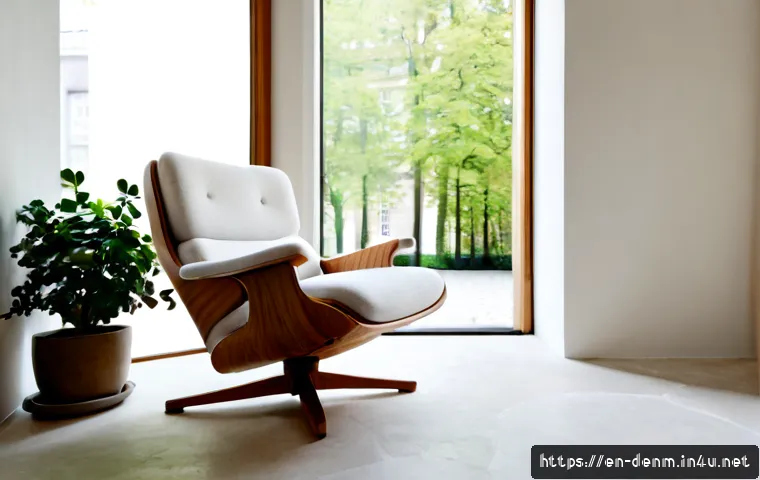
Danish design is a practical, warm form of modernism built around clean lines, natural materials, comfortable proportions, and furniture made for everyday use. It is a strong choice when you want a calm home that feels considered rather than empty, especially if you value durable seating, useful lighting, and a functional layout. Compared with a generic Scandinavian interior, the Danish approach often feels more furniture-led and crafted. Compared with Japandi, it is usually less austere and more focused on soft comfort and expressive modern furniture forms. Paying more can make sense for frequently used chairs, tables, lighting, and custom renovation details, but only when the materials, construction, and supplier information support the price. For a larger renovation, an interior designer or architect can be especially useful when layout, daylight, storage, or building requirements need to work together.
At a Glance
- Danish design combines usability, light-toned wood, restrained color, and craftsmanship without making a room feel severe.
- Start with layout, daylight, and lighting before buying decorative objects or matching furniture sets.
- Higher-quality furniture or professional design advice is most worth considering for daily-use pieces and permanent renovation decisions.
| Style | Typical Materials and Forms | Budget Consideration | Maintenance | Best Fit |
|---|---|---|---|---|
| Danish Design | Light-toned timber, upholstered seating, sculpted wood, warm modern forms | Can range from Danish-inspired pieces to carefully made furniture with stronger construction details | Wood finishes and upholstery should suit how the room is actually used | Homes that need warmth, comfort, and long-term everyday function |
| Generic Scandinavian Minimalism | Pale woods, simple shapes, neutral palettes, reduced decoration | Often easier to assemble from widely available furniture categories | Very pale finishes may show wear in busy households | Small apartments, rental-friendly updates, bright compact rooms |
| Japandi | Natural materials, lower visual contrast, quiet forms, decorative restraint | Costs depend on joinery, natural finishes, and custom storage choices | Requires disciplined editing to preserve its calm appearance | Quiet bedrooms, uncluttered living spaces, boutique hospitality settings |
What Makes Danish Design Feel Warm, Functional, and Timeless?
The Core Principles: Usability, Simplicity, Craftsmanship, and Light
Danish Modern became internationally influential in the mid-20th century through furniture with clean lines, craftsmanship, and everyday usability. The point is not to make a room look sparse for its own sake. A successful Danish-inspired room should make ordinary routines easier: sitting comfortably, moving freely, finding storage, and using light where it is needed.
This is why a dining chair, reading lamp, side table, or cabinet deserves more attention than a large collection of accessories. The best visual result often comes from fewer pieces with clear roles. Before comparing furniture quality or arranging an interior design consultation, ask a simple question: does this object improve how the room works every day?
Materials, Colors, and Forms Commonly Associated with the Look
Natural wood, particularly light-toned timber, is a recurring material in Danish furniture and interiors. It can be paired with gentle neutrals, muted color, fabric upholstery, glass, and carefully chosen metal details. The overall palette does not need to be all beige or white. What matters is that the colors support light, warmth, and visual balance rather than competing for attention.
Furniture forms may be straight, curved, or sculptural, but they usually remain approachable in scale. Designers associated with Danish furniture include Hans J. Wegner, Arne Jacobsen, Børge Mogensen, and Finn Juhl. Arne Jacobsen designed both buildings and widely recognized furniture, including the Egg and Swan chairs. These references are useful for understanding the design language, but a home does not need iconic pieces to feel Danish in spirit.
A Quick Three-Line Summary for Homeowners and Buyers
Choose Danish design if you want modern interiors with warmth and comfortable daily use. Prioritize construction, proportions, and lighting over a perfectly coordinated shopping list. Treat “Danish-inspired” as a visual description, not proof that an item was designed, made, or licensed in Denmark.
Danish Design vs. Scandinavian Minimalism vs. Japandi
Furniture Shapes, Wood Tones, Lighting, and Decorative Restraint
“Scandinavian style” is not one fixed look. Danish, Swedish, Norwegian, Finnish, and Icelandic approaches overlap, yet each has distinct traditions. For buyers, the useful comparison is not about policing labels. It is about deciding whether a room needs softness, simplicity, texture, or stronger architectural restraint.
Danish design often gives furniture a central role. A well-proportioned chair, timber table, or warm lamp can carry the room. Generic Scandinavian minimalism may use simpler, more widely available pieces with pale finishes and a lighter visual footprint. Japandi combines Scandinavian and Japanese influences, usually with greater restraint, fewer visible objects, and a quieter material contrast.
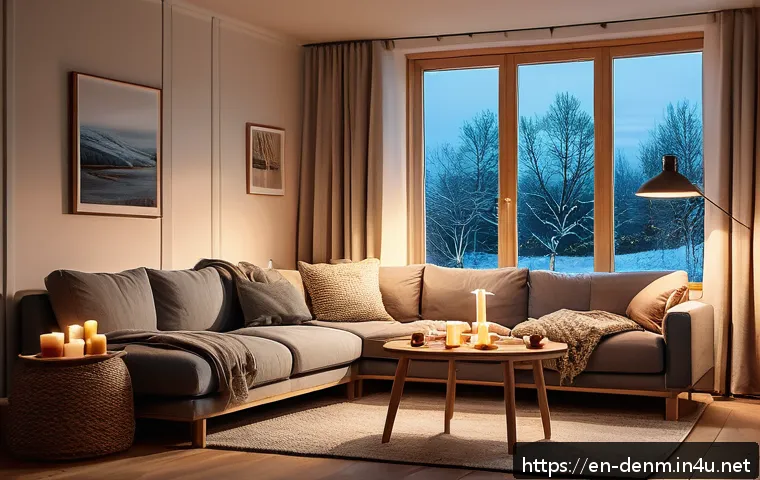
Lighting is an important dividing line. A Danish-inspired space benefits from layered lighting: general light for the room, task light for reading or working, and softer light for evening comfort. Cold, flat lighting can make even good timber and upholstery look less inviting.
Comparison Table: Budget, Maintenance, Comfort, and Visual Effect
Use the early comparison table as a starting point, then assess the demands of your household. A pale upholstered chair may suit a quiet reading corner but be impractical near a busy entry. A smooth veneer surface may deliver the visual effect you want, while solid wood may be the better long-term choice for a frequently used dining table. Neither is automatically right; the location and expected wear matter.
Which Style Works Best for Apartments, Family Homes, and Hospitality Spaces?
Apartments often benefit from Scandinavian simplicity because fewer, lighter-looking pieces can preserve circulation. Add Danish character with one comfortable chair, a timber table, or a well-selected lamp rather than trying to fill every wall.
Family homes can suit Danish design particularly well when storage, durable finishes, and comfortable seating are planned together. Select materials based on real use, including spills, pets, bags, shoes, and daily cleaning routines. Pale finishes are not inherently impractical, but they should be chosen with realistic expectations.
Hospitality spaces may use Danish-inspired forms to create warmth without visual clutter. Here, comfort, durable upholstery, supplier transparency, and replacement planning deserve as much attention as appearance.
Architecture Principles Behind the Danish Look
Daylight, Human Scale, Functional Circulation, and Indoor-Outdoor Connection
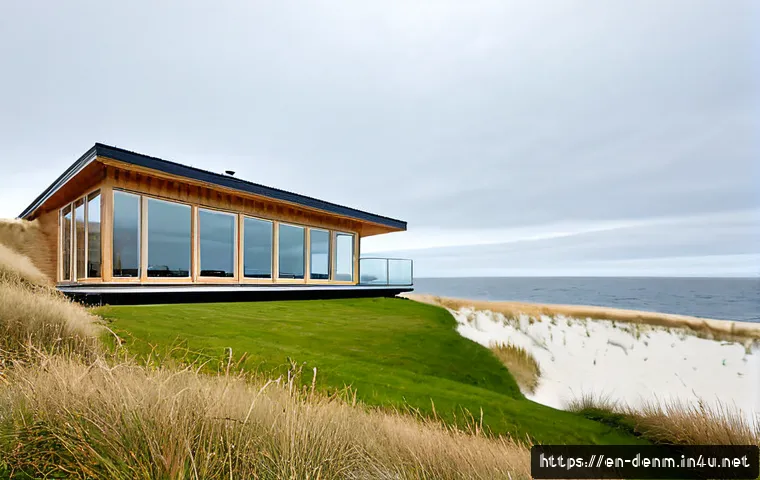
Danish architecture often prioritizes daylight, human scale, functional layouts, and a close relationship between indoor and outdoor spaces. These principles can be adapted in many locations without copying a Danish house directly. Keep paths through a room clear, place seating where natural light is useful, and consider views toward a garden, balcony, or window before deciding where large furniture should go.
A renovation does not need dramatic structural changes to benefit from this thinking. Rearranging a living room around circulation, improving window treatments, or planning storage near the entry may have more effect than adding more decorative finishes. If changes involve walls, windows, or building services, professional drawings and local requirements may become relevant.
Brick, Timber, Glass, and Durable Exterior Materials
Brick is historically important in Denmark and remains visible in both traditional and contemporary Danish architecture. Timber and glass are also common visual references, but materials should never be selected only because they look Scandinavian. Exterior durability, energy performance, maintenance needs, climate conditions, and planning requirements depend on local building codes and the specific property.
For an exterior or major renovation, compare material specifications rather than relying on a mood board. Ask what finish is proposed, how it will weather, what maintenance it requires, and whether it is suitable for the building’s local conditions.
Lessons Worth Adapting Without Copying a Danish House Directly
The transferable lesson is purposeful restraint. Let daylight, circulation, storage, and tactile materials do much of the work. Avoid adding a wall of glass, pale timber cladding, or exposed brick simply to imitate a photograph. A good renovation responds to the existing building and the people who use it.
Danish architect Jørn Utzon designed the Sydney Opera House, a landmark completed in stages after construction began in 1959. It is a reminder that Danish architectural influence extends beyond a single domestic style, but it should not be reduced to a set of surface-level finishes.
Applying the Style in a Room or Renovation
Start With Layout and Lighting Before Decorative Purchases
Begin by identifying the room’s jobs. Is it for dining, reading, entertaining, working, resting, or several of these at once? Then plan seating positions, walking routes, storage access, and lighting. This order prevents a common mistake: buying attractive furniture that leaves too little room to move around it.

For a practical Danish-inspired living room, choose a main seating zone, a surface for drinks or books, and lighting that works at different times of day. For a dining space, prioritize chair comfort, table clearance, and a light source that supports meals without creating glare.
Choosing Seating, Tables, Storage, and Lamps for Long-Term Use
When comparing furniture quality, examine materials, joinery, finish, upholstery, dimensions, and intended use. Solid wood, veneer, and upholstered components each have different strengths. A solid wood piece may appeal for its material presence, while veneer may be appropriate when it is well made and suits the budget and use case. The key is honest product information rather than assumptions based on appearance.
For seating, test or verify the dimensions where possible. A chair can look elegant but still be unsuitable for long meals or reading. For lamps, consider whether they provide ambient, task, or accent light. For storage, look for a balance between open display and concealed everyday clutter.
When an Interior Designer or Architect May Justify the Added Cost
An interior design consultation may be worthwhile when you need a coherent plan for furniture, lighting, colors, and materials but do not expect major building work. It can also help prevent expensive mismatches between flooring, cabinetry fronts, wall finishes, and upholstery.
An architect may add more value when a project involves layout planning, window changes, custom joinery integrated with the building, or professional drawings. The right scope depends on the project, local rules, and the level of coordination required. Architect pricing guidance should always be requested directly for your location and brief, since fees and services vary.
Common Mistakes: Replicas, Mismatched Woods, Clutter, and Poor Task Lighting
Replica furniture deserves careful attention. A familiar silhouette does not reveal its construction quality, authorization status, materials, or longevity. If provenance matters to you, confirm whether an item is authentically produced, licensed, or simply Danish-inspired.
Other avoidable mistakes include mixing wood tones without a unifying plan, overfilling a room with small furniture, and relying on one ceiling fixture for every task. Keep the room edited, but do not make it uncomfortable. Danish design is functional, not sterile.
Danish-Inspired Choices by Budget and Project Type
Small Upgrades: Lighting, Textiles, Storage, and One Quality Chair
A small update can begin with a lamp that improves evening use, textiles that add softness, simple storage that reduces visible clutter, or one chair chosen for genuine comfort. This is often a better route than replacing every item at once. A single carefully selected piece can set the material and color direction for the room.
Mid-Range Room Refresh: Flooring, Cabinetry Fronts, and Layered Lighting
A larger room refresh may include flooring, cabinetry fronts, improved storage, and layered lighting. These choices should be coordinated before furniture is ordered. Compare samples in the actual room because natural and artificial light can change how timber, paint, and upholstery appear.
If you are evaluating renovation materials, ask suppliers for clear details about the material itself, finish, care needs, lead times, and what is included in the order. Delivery charges and specifications vary by supplier and location, so confirm them before committing.
Major Renovation: Custom Joinery, Window Changes, Layout Planning, and Professional Drawings
For a major renovation, invest first in decisions that are difficult to reverse: layout, daylight strategy, storage placement, windows, and custom joinery. Decorative items can be chosen later. Professional design services may help align these decisions so that the finished room feels simple because the planning was thorough, not because the project ignored practical needs.
Selection Criteria and Comparison Summary
Before selecting a furniture retailer, lighting supplier, interior designer, or renovation professional, compare these points:
- Daily use: Is the item or finish suitable for the people, pets, and activity level in the space?
- Material clarity: Does the supplier clearly identify timber, veneer, upholstery, finish, and care requirements?
- Construction and comfort: Are dimensions, support, joinery, and practical comfort explained rather than implied by styling?
- Provenance: Do you want authentic Danish production, licensed design, Danish-inspired appearance, or simply good lifetime value?
- Project scope: Do you need furniture selection only, or coordinated layout planning, drawings, and renovation advice?
- Local confirmation: Have delivery terms, material specifications, building requirements, and professional service scope been confirmed for your location?
For custom furniture, lighting, or design services, check the supplier’s official product details and service terms before placing an order or approving a project.
In Closing
Danish design works best when it is treated as a way of planning rather than a collection of recognizable objects. Use warm materials, useful lighting, comfortable proportions, and enough empty space for a room to function well. Spend carefully on the pieces that receive the most daily use, and keep decorative purchases secondary to layout and quality. For renovation work, clear professional scope and local verification are more valuable than copying a finished image.
Useful Things to Know
Light-toned wood is a recurring Danish design material, but it does not require every surface to match exactly. Brick can connect a project to Danish architectural references, yet its suitability depends on the building and local conditions. A room can feel Danish-inspired through proportion, comfort, and light even without famous furniture icons. “Scandinavian” remains a broad category, so compare actual materials and functionality instead of relying on labels alone.
Important Considerations
Furniture prices, renovation costs, delivery charges, and architect fees vary by country, supplier, project scope, and material specification. A Danish-inspired product may not have been designed, manufactured, or licensed in Denmark. Energy performance, planning rules, and construction requirements must be checked against local codes and climate conditions before making permanent renovation decisions.
Frequently Asked Questions
Q1. What is the difference between Danish design and Scandinavian design?
A1. Scandinavian design is a broad term covering overlapping traditions from several Nordic countries. Danish design is often associated with warm modern furniture, light-toned timber, craftsmanship, comfortable proportions, and everyday usability. The categories overlap, so it is more useful to compare a specific product’s materials, construction, and function than its marketing label.
Q2. Is Danish-style furniture worth paying more for than mass-market alternatives?
A2. It can be worth paying more for high-use items such as dining chairs, sofas, tables, and lighting when the construction, materials, comfort, and supplier transparency justify the difference. For lower-impact decorative items, visual similarity may be enough. Check whether a product is authentic, licensed, or simply Danish-inspired before treating provenance as part of the value.
Q3. When should I hire an interior designer or architect for a Danish-inspired renovation?
A3. Consider an interior designer when you need help coordinating furniture, lighting, colors, storage, and finishes. Consider an architect when the project includes layout changes, windows, integrated joinery, or drawings connected to major renovation work. Confirm the professional’s service scope, fees, and relevant local requirements before proceeding.