Traveling to Denmark soon? Staying connected and powered up is more crucial than ever, especially as remote work and digital nomad lifestyles continue to rise globally.
But navigating Denmark’s unique electric plugs can be tricky if you’re unprepared. Don’t let a simple charging mishap disrupt your trip—knowing the ins and outs of local power outlets ensures your devices stay ready for every adventure.
Let’s dive into the essential tips that will keep your gadgets juiced up and your travels smooth in this Scandinavian gem.
Understanding Denmark’s Power Socket Types and Voltages
Identifying the Plug Shapes You’ll Encounter
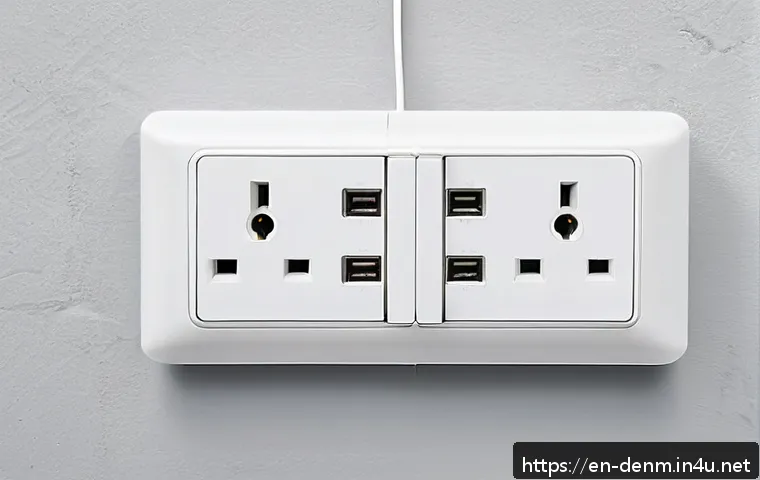
When you arrive in Denmark, the first thing to note is that the country primarily uses Type E and Type K plugs. Type E plugs have two round pins and a hole for the socket’s male earth pin, while Type K plugs look quite similar but with a slightly different grounding system.
This can be confusing at first glance, especially if you come from a country that uses flat or differently shaped plugs. Having a visual reference or a universal travel adapter that supports these types is a lifesaver.
Personally, I learned the hard way during my first trip when my usual European adapter didn’t fit perfectly. Since then, I always double-check my adapter compatibility before packing.
Voltage and Frequency: What Your Devices Need
Denmark operates on a 230V supply voltage and a frequency of 50Hz. This is standard across most of Europe, but it’s crucial to confirm that your devices can handle this voltage.
If your gadgets are rated only for 110V, like many devices from North America, you’ll need a voltage converter to avoid damage. Many modern electronics—laptops, phones, cameras—are dual voltage, but smaller appliances like hair dryers often are not.
I always carry a small, portable voltage converter for my travel hair dryer just to be safe. It’s better to be cautious than to have your device fry on day one.
Why Plug Adapters Aren’t Always Enough
It’s tempting to think a simple plug adapter will solve all your power needs, but it’s not that straightforward. While adapters let you physically connect your plug to the Danish socket, they don’t convert voltage.
This means if your device isn’t compatible with 230V, an adapter alone won’t protect it. Also, some Type E and K sockets in Denmark may have a slightly different grounding configuration, so make sure your adapter is designed specifically for these types.
I usually look for adapters that explicitly mention compatibility with Denmark or Type E/F/K plugs to avoid any surprises.
Essential Charging Gear to Pack for Denmark
Choosing the Right Universal Adapter
A universal travel adapter is a must-have for anyone visiting Denmark. Look for models that support Type E and K plugs, and ideally include USB ports for quick charging.
I personally use an adapter with at least two USB ports and a grounded plug option. This setup means I can charge my phone and tablet simultaneously while keeping my laptop plugged in safely.
Some brands even offer surge protection, which adds an extra layer of safety against unstable power surges, common in some older buildings.
Power Banks and Portable Chargers: Backup Power on the Go
Denmark’s cities are tech-friendly, but when you’re out exploring rural areas or islands, power outlets aren’t always within reach. Carrying a high-capacity power bank is a game changer.
I recommend one that supports fast charging and multiple device outputs. On one trip, my power bank saved me when I spent the day hiking on Bornholm island without any charging options nearby.
It’s also handy for long train rides or day trips, ensuring your phone stays alive for navigation and photo ops.
Extra Cables and Charging Accessories
Don’t underestimate the importance of packing extra cables—USB-C, Lightning, or Micro USB depending on your devices. Having spares means you’re not stranded if one cable fails or gets misplaced.
I always bring a couple of extra cables tucked into different bags so I’m never caught off guard. Also, consider a compact cable organizer; it keeps everything neat and prevents cables from tangling during transit, which can be a real pain.
Adapting Your Electronics for Danish Power Safety
Checking Device Compatibility Before Plugging In
One of the best habits I’ve developed is always checking my device’s voltage label before plugging it in. It’s a quick glance on the power brick or device itself to confirm it supports 230V.
This simple step can save you from frying your electronics. If you’re unsure, it’s better to hold off and seek a voltage converter or ask at your accommodation reception.
Some hotels offer converters or adapters on request, but don’t count on it.
Using Surge Protectors for Added Security
Electrical surges, though rare in Denmark, can happen especially during storms or in older buildings. Using a travel surge protector is a small investment for peace of mind.
I carry a compact one that fits into my adapter setup, which protects my expensive gadgets from unexpected spikes. It’s especially important if you’re bringing professional gear like cameras or laptops for remote work.
Handling Charging Stations and Public Outlets
Denmark has embraced electric mobility and public charging infrastructure, so you’ll find charging stations for phones and laptops in many cafes, airports, and public spaces.
However, the plug types might still differ slightly, so having your adapter handy is crucial. I’ve found that Scandinavian cafes often have universal sockets or USB charging ports, but it’s good to be prepared with your own gear just in case.
How to Make the Most of Denmark’s Digital Nomad-Friendly Infrastructure
Finding Reliable Wi-Fi and Co-working Spaces
Staying connected in Denmark is generally easy with widespread, fast Wi-Fi available in urban centers, libraries, and co-working spaces. I recommend planning your workdays around spots known for stable internet.
Copenhagen, Aarhus, and Odense have vibrant co-working communities where you can plug in and power up comfortably. Some cafes even offer power outlets at every table, which is a huge plus for digital nomads.
Managing Battery Life During Day Trips
If you’re working remotely while exploring Denmark, managing your device’s battery throughout the day is crucial. I usually carry a lightweight power bank and make use of charging opportunities in cafes or public libraries.
Also, enabling battery saver modes and closing unnecessary apps helps extend battery life, especially on long sightseeing days.
Local SIM Cards and Connectivity Options
Besides power, staying connected means having reliable mobile data. Denmark’s telecom providers offer prepaid SIM cards with excellent coverage and fast LTE/5G speeds.
I suggest grabbing a local SIM at the airport or major convenience stores. This not only keeps your data costs down but also lets you access maps and travel apps without interruption, so your devices remain truly useful companions.
Common Challenges and How to Overcome Them
Dealing with Limited Outlet Availability
In older Danish buildings or smaller guesthouses, you might notice fewer power outlets than you’re used to. This can be tricky when you have multiple devices to charge.
I often carry a compact power strip with surge protection to expand outlet availability. It’s lightweight and folds easily into my luggage. This way, I can charge all my gadgets overnight without juggling outlets.
Understanding Socket Variations in Different Regions
While the whole country generally uses the same plug types, some remote areas or older accommodations may have slight variations or worn sockets. It’s good to be prepared with a flexible adapter that can handle minor differences.
On a trip to Jutland, I encountered a quirky socket that didn’t quite fit my adapter perfectly, so having a backup universal adapter saved the day.
Keeping Your Devices Safe from Overheating
Charging in unfamiliar environments can sometimes cause devices to overheat, especially if power surges or incompatible plugs are involved. I always monitor my devices during charging and avoid covering them with pillows or bags.
If I notice excessive heat, I unplug immediately and switch to another outlet or adapter. This cautious approach has prevented several potential device failures during my travels.
Quick Reference: Denmark Power Plug and Voltage Overview

| Feature | Details |
|---|---|
| Plug Types | Type E and Type K (two round pins with grounding) |
| Voltage | 230 Volts |
| Frequency | 50 Hz |
| Common Adapter Needed | Universal adapter compatible with Type E/K |
| Voltage Compatibility | Dual voltage devices work; 110V devices need converter |
| Surge Protection | Recommended due to occasional power surges |
| USB Charging | Widely available, but bring own adapter with USB ports |
| Power Banks | Highly recommended for outdoor and rural areas |
Tips for Seamless Device Charging in Denmark’s Varied Environments
Hotel and Accommodation Charging Hacks
Hotels in Denmark generally provide European-style sockets, but the number of outlets can be limited. I always check in advance if the room has enough plugs for my devices or if the front desk offers adapters or power strips.
Sometimes, public areas like lobbies have additional charging stations that can be handy if your room is short on outlets.
Outdoor and Travel-Friendly Charging Solutions
When traveling between cities or exploring Denmark’s scenic outdoors, traditional charging options might be scarce. I rely on solar-powered chargers or high-capacity power banks during such times.
These tools have kept me connected and powered through long ferry rides and countryside hikes, where electricity access is minimal.
Keeping Charging Routines Simple and Efficient
Establishing a routine—like charging all devices overnight and carrying a fully charged power bank during the day—helps avoid last-minute panic. I also recommend organizing your cables and adapters neatly to prevent losing any crucial items.
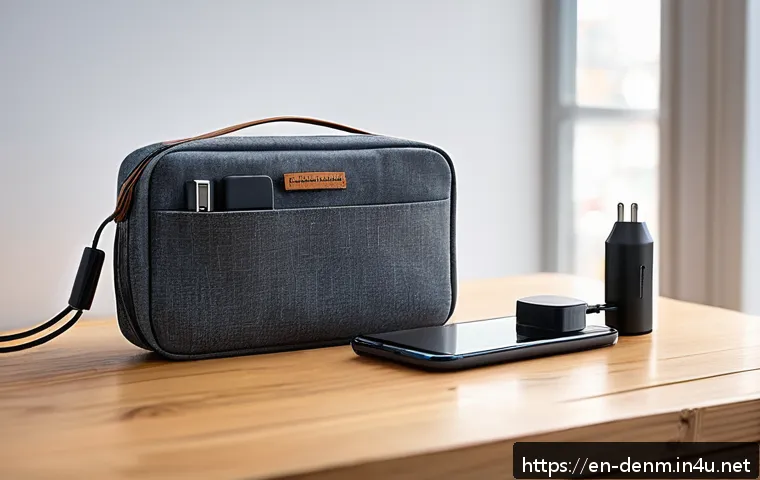
A small pouch or organizer can make a big difference, especially when hopping between accommodations or transport.
Understanding Denmark’s Electrical Standards for Safe Travel
Grounding and Safety Features Explained
Denmark’s electrical system emphasizes safety with grounding in both Type E and K sockets. Grounding protects you from electric shocks and helps maintain device stability.
Knowing this helped me appreciate why some adapters don’t fit properly if they lack a grounding pin. It’s an important detail that travelers often overlook but can impact safety significantly.
Common Electrical Issues and How to Avoid Them
While Denmark’s power grid is stable, travelers occasionally face issues like loose sockets or fluctuating power in older buildings. Avoid forcing plugs into outlets that feel loose or unstable.
If you encounter such issues, it’s safer to ask for help or switch to another outlet. Carrying a surge protector mitigates many risks associated with these irregularities.
When to Seek Professional Help or Advice
If you’re uncertain about your device’s compatibility or face repeated charging problems, don’t hesitate to consult local electricians or your accommodation’s maintenance staff.
They can provide guidance or lend appropriate adapters. During one trip, a quick chat with the hotel’s technician saved me from damaging my laptop charger due to an unusual socket setup.
Optimizing Your Travel Tech Setup for Denmark’s Environment
Selecting Lightweight and Multi-Functional Devices
Traveling light is key, so I recommend choosing gadgets that combine functions, like smartphones with high-quality cameras or laptops with long battery life.
This reduces the number of chargers and cables you need to carry, simplifying your setup. Denmark’s efficient transport and walking-friendly cities make lighter luggage a real advantage.
Investing in Quality Charging Accessories
Cheap cables and adapters can fail quickly or cause device damage. I always opt for reputable brands with good reviews, even if they cost a bit more. The peace of mind knowing my gear won’t suddenly stop working mid-trip is priceless.
Durable accessories withstand Denmark’s sometimes damp weather and busy travel days much better.
Utilizing Smart Charging Practices
To extend battery lifespan, avoid overcharging devices by unplugging once fully charged. Many modern chargers have auto shut-off features, but it’s good practice to stay mindful.
Also, charging devices in cooler environments helps prevent overheating. On warm summer days in Denmark, I try to keep my charging setup in shaded or air-conditioned spaces.
Preparing for Unexpected Power Needs During Your Stay
Emergency Backup Options
Always have a backup charging plan. I carry a small, foldable solar charger as a last resort. It’s not the fastest method but can provide enough juice to make emergency calls or send quick messages.
Knowing you have this option reduces stress, especially if you’re exploring Denmark’s remote islands or countryside.
Local Resources for Charging Support
Many Danish libraries, tourist centers, and co-working spaces offer charging facilities free or for a small fee. It’s worth identifying these spots in your itinerary.
In Copenhagen, for example, public libraries are great for catching up on work while charging devices comfortably and safely.
Maintaining Device Security While Charging in Public
When charging in public places, always keep an eye on your devices. Use charging locks or cables that secure your gadgets to tables if available. I’ve learned this the hard way when a distracted moment led to a lost phone charger at a busy café.
Staying vigilant helps keep your gear safe and your trip hassle-free.
In Conclusion
Traveling to Denmark with the right knowledge about plug types and voltage can save you from many common headaches. Ensuring your devices are compatible and carrying the appropriate adapters and accessories will keep you connected and stress-free. From urban cafes to remote countryside, being prepared means you can enjoy your trip fully without worrying about power issues. Safe and smart charging habits make all the difference when exploring Denmark’s beautiful landscapes and vibrant cities.
Useful Information to Keep in Mind
1. Always check your device’s voltage rating before plugging in to avoid damage or malfunction.
2. Invest in a universal adapter that supports Type E and Type K plugs for seamless compatibility.
3. Carry a power bank with fast charging capabilities, especially if you plan to explore rural or outdoor areas.
4. Use surge protectors to safeguard your electronics against unexpected power fluctuations.
5. Consider purchasing a local SIM card to maintain reliable mobile data and reduce roaming costs.
Key Takeaways for Safe and Efficient Charging
Understanding Denmark’s electrical standards and plug types is essential for any traveler. Always verify device compatibility with the 230V, 50Hz system and use the correct adapter to ensure safety. Bring extra cables and power banks to manage charging needs on the go, and prioritize quality charging accessories to protect your gadgets. Being proactive about power management will enhance your travel experience and keep your devices functioning smoothly throughout your stay.
Frequently Asked Questions (FAQ) 📖
Q: What type of power outlets and plugs are used in Denmark?
A: Denmark primarily uses Type E and Type K power outlets. These plugs have two round pins, with the Type K including an additional grounding pin. The standard voltage is 230V with a frequency of 50Hz.
If your devices come with different plug types, you’ll definitely need an adapter to plug them in safely. I’ve traveled there with a universal adapter and it worked perfectly for all my gadgets.
Q: Do I need a voltage converter for my electronics when visiting Denmark?
A: Most modern electronics like smartphones, laptops, and cameras support dual voltage (usually 100-240V), so you typically won’t need a voltage converter.
However, it’s always a good idea to check the label on your device or charger. If it only supports 110V, then a converter is necessary to avoid damaging your equipment.
Personally, I double-check before packing and rely on adapters rather than converters unless it’s a high-power appliance.
Q: Where can I buy power adapters or converters in Denmark if I forget to bring one?
A: If you forget your adapter, don’t worry! You can find them in most electronics stores, airports, or even larger supermarkets in cities like Copenhagen.
Stores like Elgiganten or Power usually stock various plug adapters and converters. Keep in mind, prices at airports might be a bit higher, so if you can, pick one up in the city to save some cash.
I’ve had to grab an adapter last minute from a local store, and it was quick and hassle-free.