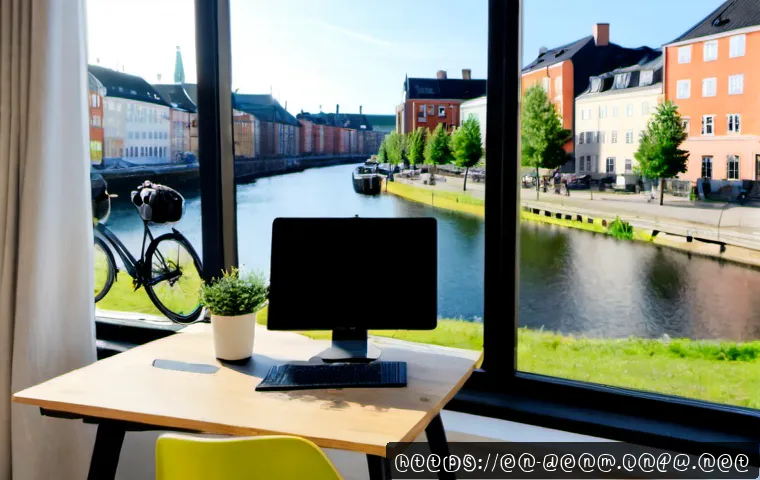
The best remote-work setup in Denmark depends less on a label and more on the work itself: a home office suits independent tasks, hybrid work suits teams that need regular contact, and coworking can help when space or structure is missing.

Before choosing, compare privacy, commute, connectivity, equipment, and the employer’s support—not just the monthly cost. For employees, the practical choice is often the setup that makes focused work sustainable.
For employers, it is the setup with clear expectations, secure access, and fair policies. A coworking membership, business internet connection, or collaboration software plan can be worth paying for when it solves a specific work problem.
The details of employer policies, collective agreements, reimbursements, and cross-border arrangements should always be confirmed directly.
At a Glance
- Home office is often the simplest option for independent work when you have a quiet, secure space.
- Hybrid work can balance concentrated remote work with office access, mentoring, and team collaboration.
- Coworking may be useful when professional facilities, separation from home, or client-ready space matter.
| Decision factor | Home office | Coworking space | Hybrid setup |
|---|---|---|---|
| Direct workspace cost | Usually lower, but may require personal investment in equipment | Paid membership or desk arrangement | May combine home costs with office travel |
| Focus and routine | Strong when home boundaries are clear | Useful for structure and a work-focused environment | Depends on choosing remote days for focused tasks |
| Privacy and confidentiality | Good with a private, secure workspace | Requires care in shared areas and calls | Can use office access for sensitive work |
| Commute | None | Depends on location | Applies on office days |
| Team access | Relies on communication tools and routines | Relies on digital tools, with possible local networking | Includes planned in-person contact |
What Flexible Work Usually Means in a Danish Workplace
Fully Remote, Hybrid, and Occasional Work From Home
Fully remote means the employee normally works away from the employer’s main office. Hybrid work mixes remote and office-based days. Occasional work from home is more limited and may depend on the manager, role, or business needs.
These labels are not interchangeable. A role involving confidential information, client meetings, physical equipment, or close supervision may need a different arrangement from a role based mainly on writing, analysis, design, or software work. Do not assume that one employee’s flexibility automatically applies to another role.
Why Trust and Clear Availability Rules Matter
A workable arrangement needs clear output expectations, not constant online visibility. Teams should know when people are generally available, which channel is used for urgent questions, and when uninterrupted focus time is respected. A flexible schedule can become stressful if employees feel expected to answer every message immediately.
A Quick Answer for Different Types of Work
Choose a home office when work is independent and your environment is quiet. Consider hybrid work when learning, coordination, or client contact benefits from office time. Consider coworking when home is distracting, internet reliability is uncertain, or you need a more professional place for calls and meetings.
Home Office vs Coworking vs Hybrid: Compare Cost, Focus, and Convenience
Home Office: Lower Direct Cost, More Personal Responsibility
A home office can remove commuting time and make the day easier to organize. The trade-off is that the worker must create boundaries, protect confidential information, and maintain a suitable workstation. A kitchen table may be workable for short periods, but regular work needs more attention to comfort, screen placement, and concentration.
Coworking: A Paid Option for Structure and Facilities
A coworking membership can provide a dedicated desk, meeting rooms, workplace amenities, and a clearer separation between work and home. It may also suit freelancers or remote employees who miss professional contact. Before paying, compare desk access, quiet areas, call policies, meeting-room rules, internet arrangements, and contract flexibility.
Look at the provider’s plan details rather than choosing based only on location. A lower-priced option may not include the privacy, access hours, or business connectivity you actually need.
Hybrid Work: Combining Collaboration and Concentration
Hybrid work is most useful when office days have a purpose. Teams can use them for planning, mentoring, workshops, and relationship-building, while remote days can protect time for concentrated tasks. If office days become a long series of video meetings, the commute may add little value.
What Employers Should Provide for Effective Remote Work
Equipment, Ergonomics, and Connectivity
Employers should define what equipment is supplied, supported, or approved. This may include a computer, monitor, headset, secure access tools, and guidance on workstation setup. Where reliable connectivity is essential, discuss whether a business internet option or other connectivity support is appropriate for the role.
Collaboration Software and Secure File Access
Remote teams need a simple system for messages, shared files, project updates, and video meetings. Good collaboration software should reduce confusion rather than create more notifications. Secure file access, account permissions, password practices, and device updates should be part of the working routine.
Policies for Meetings, Expenses, and Performance
A remote-work policy should explain availability expectations, meeting practices, expense reimbursement rules, approval steps, and performance goals. It should also state who can answer questions when circumstances change. Specific employer policies and any applicable agreements should be checked before an employee relies on a benefit or reimbursement.
Practical Risks and Mistakes to Avoid
Assuming the Same Policy Fits Every Role
Flexible work should be assessed by the job’s actual requirements. A team member handling sensitive records, specialized equipment, or in-person client work may need different access and safeguards than a fully digital role.
Ignoring Data Protection in Shared Places
Working from cafés, shared offices, or personal devices can create privacy risks. Use approved tools, avoid exposing confidential screens, and be careful with calls in open areas. A coworking space may be professional, but it is still a shared environment.

Replacing Documentation With Meetings
Too many meetings can make remote work feel fragmented. Written decisions, clear task ownership, and shared project records help people work across different locations without repeatedly asking for updates.
Treating Cross-Border Work as Simple
Working remotely from Denmark for an employer in another country, or working from another country for a Danish-based employer, can involve employment, immigration, tax, and social-security questions. This is not something to assume is covered by a standard remote-work policy. Confirm the arrangement with the employer and relevant qualified advisers before starting.
Choosing the Right Setup for Your Work Situation
Independent Specialists and Freelancers
A home office may be the strongest fit if you have discipline, privacy, and dependable connectivity. Coworking can add value if isolation, distractions, or client meetings are limiting your work. Compare membership plans based on the facilities you will actually use.
Distributed Teams and Small Businesses
Distributed teams often benefit from reliable collaboration software, documented processes, and secure file access before investing in more meetings. A small business may use occasional coworking meeting rooms rather than committing every employee to a permanent desk.
Employees Who Need Office Access or Mentoring
Hybrid work can be useful for employees who need regular guidance, team connection, or client-facing space. The important question is whether office attendance supports a defined purpose rather than simply following a routine.
When a Paid Tool or Workspace Adds Value
Pay for a coworking desk when it improves focus, privacy, or professional access. Consider upgraded business connectivity when unreliable service disrupts essential work. Choose a business collaboration software plan when it improves security, administration, or team coordination. Compare the conditions and included features on the relevant provider pages before committing.
Selection Criteria and Comparison Summary
Before deciding, check budget, commute, confidentiality needs, home working conditions, team access, and employer support. Ask an employer how availability, equipment, secure access, office attendance, and expenses are handled. Before purchasing a coworking membership, internet service, or team software plan, confirm contract terms, access limits, support, and privacy features. Official plan details and full conditions should be reviewed on the relevant provider’s page.
In Closing
Remote work is not one fixed arrangement. The most practical choice is the one that supports focused work, secure communication, and sustainable routines. A low-cost home setup can be enough for some people, while others gain real value from hybrid office access or a professional coworking environment. Clear expectations matter more than a fashionable label.
Useful Things to Know
1. A workspace should be judged by the work it enables, not just its monthly price.
2. Shared spaces require extra care with screens, calls, and confidential documents.
3. Good remote routines include written decisions, not only video meetings.
4. Employer support can be as important as the physical location of work.
Important Notes
This is a general comparison guide, not legal, tax, immigration, employment, or policy advice. Remote-work rules, reimbursements, collective agreements, connectivity options, and coworking costs can vary by employer, role, city, and individual circumstances. Cross-border arrangements require direct confirmation before work begins.
Frequently Asked Questions
Q1. Is remote work common in Denmark, or is hybrid work more typical?
A1. The current balance can vary by industry, employer, region, and role. Rather than assuming a standard approach, ask the employer whether the position is fully remote, hybrid, or limited to occasional work from home.
Q2. Is a coworking membership worth the cost for remote workers in Denmark?
A2. It can be worthwhile if it solves a clear problem, such as lack of focus, limited privacy, unreliable home connectivity, or a need for meeting space. Compare access, desk type, quiet areas, meeting-room terms, and contract conditions before buying.
Q3. What should an employer include in a remote-work policy for Danish-based employees?
A3. A useful policy should cover eligibility, availability, meetings, equipment, secure access, cybersecurity expectations, expense handling, performance goals, and who approves exceptions. The exact terms should be checked against the employer’s own policies and any applicable agreements.