For a first Denmark cycling holiday, choose a Copenhagen-based or city-to-city route if you want simple logistics and rail backup. Choose a coastal or island itinerary when you have more time, enjoy open landscapes, and can manage stronger winds.
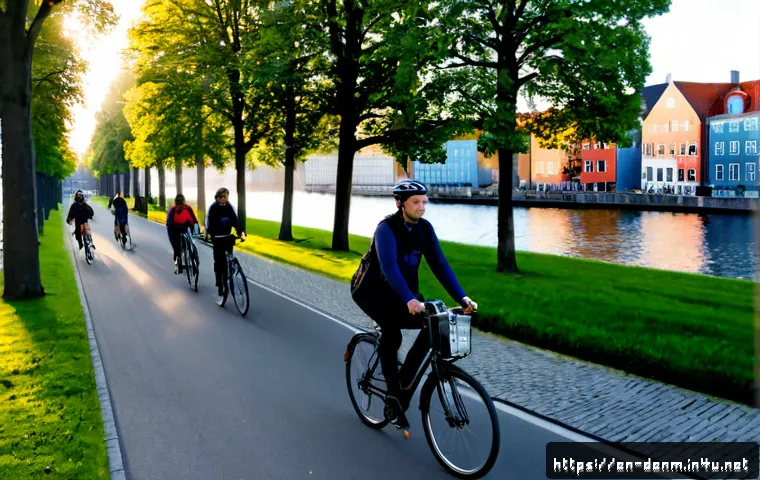
Denmark’s signed national cycling routes make independent planning approachable, while a rental bike, e-bike, guided package, or luggage transfer can make the trip more comfortable.
The best itinerary depends less on climbing ability than on your available days, daily riding comfort, and flexibility around trains and ferries. Check bicycle space, ferry schedules, accommodation, and weather conditions before committing to a route.
At a Glance
- Short trip: A Copenhagen-based route with rail connections is the easiest starting point for a 3-day cycling break.
- Scenic trip: Coastal and island riding suits travelers with more days, but wind and ferry timing need extra planning.
- Comfort-focused trip: Consider an e-bike, luggage transfer, or supported cycling tour if you prefer lighter daily logistics.
| Route Style | Best For | Key Conditions | Transport Access | Typical Spending Categories |
|---|---|---|---|---|
| City-to-city | First-time bike tourists and short breaks | Urban cycling, signed paths, traffic awareness | Usually strong rail options | Bike rental, hotels, rail tickets, food |
| Coastal | Longer riding days and open scenery | Mostly flat terrain, but potentially demanding wind | May require rail or ferry planning | Touring bike or e-bike, stays, ferries, weather gear |
| Island | Travelers who enjoy flexible, slower itineraries | Ferry-dependent connections and changing weather | Ferry schedules are central to the plan | Accommodation, ferry travel, bike transport, food |
Which Denmark Cycling Trip Fits Your Travel Style?
Denmark is widely known for mostly flat riding, but the most suitable route is not automatically the longest or most famous one. Start with time available, comfort with wind, and your preferred overnight style. The country has a nationwide network of signed national cycling routes, commonly numbered 1 through 12, giving independent travelers a useful framework for planning.
Best Choice for First-Time Bike Tourists
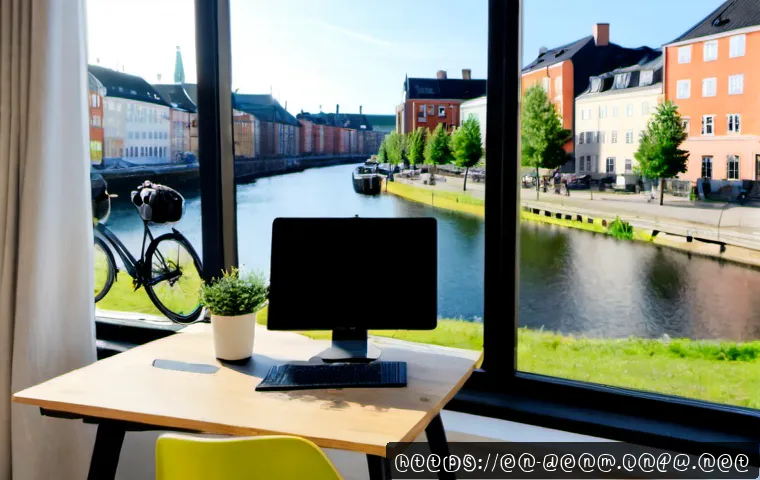
A city-to-city or Copenhagen-based itinerary is usually the most manageable choice for a first trip. Larger cities have extensive cycling infrastructure, and rail travel can offer a practical backup when the weather changes or a day feels too long. This style also makes it easier to arrange a bicycle rental, choose a central hotel, and keep luggage handling simple.
Urban cycling still requires attention. Ride on the right, use dedicated cycle paths where they are provided, and watch lane markings, turning rules, and peak-hour traffic. A first-time visitor should not assume that a busy city bike lane works like a leisure trail.
Best Choice for Coastal Scenery and Longer Riding Days
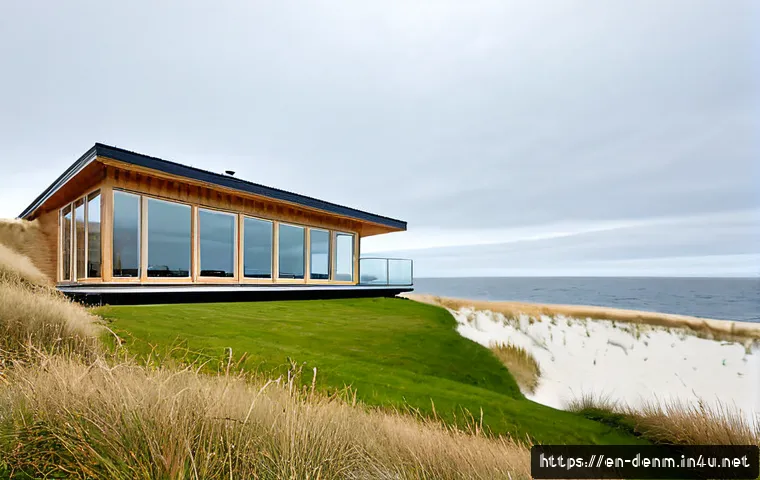
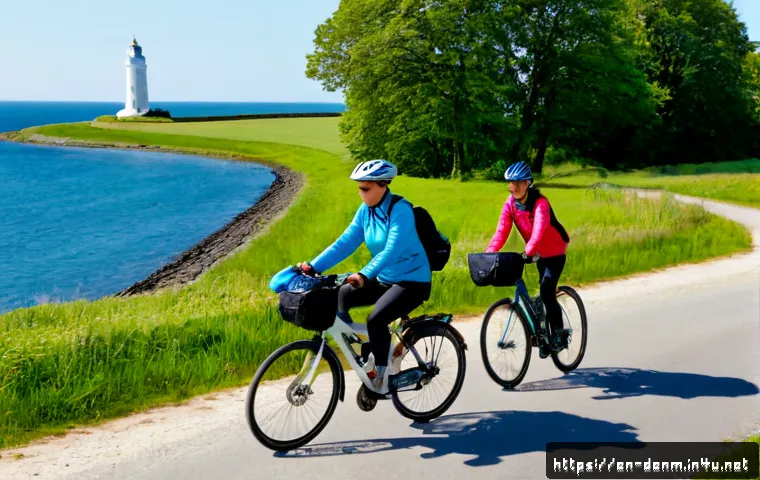
Coastal routes work well for riders who want broad sea views and quieter touring days. They are often appealing because the terrain can look easy on paper. However, wind exposure can be more tiring than elevation, especially along the North Sea and Baltic coasts. Plan conservative daily distances and leave room for a slower day.
A touring bike can be useful when carrying panniers, waterproof clothing, and supplies. An e-bike may be worth comparing if you want to maintain a steadier pace into headwinds or reduce fatigue across several days.
Best Choice for City Breaks with Easy Rail Connections
A Copenhagen to Odense-style city-to-city concept can suit travelers who want cycling without committing to a fully remote tour. Build the itinerary around urban stays, daytime riding, and possible train connections rather than trying to cover a fixed distance every day.
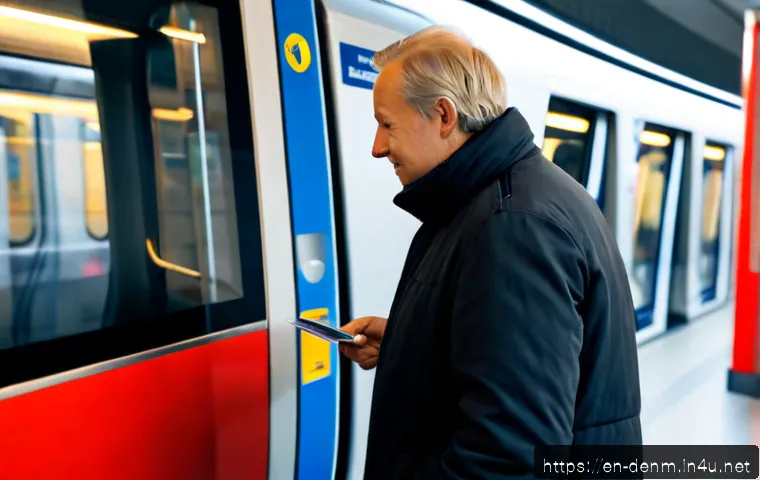
Many Danish trains can carry bicycles, but bicycle spaces, tickets, rules, and reservations can vary by operator, route, and departure. Treat train-bike planning as a separate booking task, not something to check at the station.
Compare Coastal, Island, and City-to-City Itineraries Before You Book
Route Comparison: Riding Time, Wind, Navigation, and Logistics
City-to-city riding is generally best for travelers who value flexibility, restaurants, and straightforward overnight stops. Coastal touring is better for scenery and longer outdoor days, but it demands more weather awareness. Island travel adds a rewarding sense of variety, yet ferry connections can define the entire schedule.
Navigation is often easiest when you follow signed national routes, but signs do not replace daily checks for diversions, roadworks, or weather. If your trip depends on a ferry, avoid planning an arrival that leaves no margin for a missed connection.
Budget Categories in Danish Kroner: Bike, Stays, Food, Rail, and Ferries
Build your Denmark cycling holiday budget in Danish kroner (DKK) by category rather than relying on one fixed trip total. Your main costs may include a standard bike or e-bike rental, accommodation, meals, train travel, bicycle transport, ferries, and travel insurance. Guided cycling tour packages may bundle some of these items, while independent trips let you choose each element separately.
Accommodation style has a major effect on the final budget. Hotels can reduce uncertainty after a wet or windy day, while hostels and campsites may suit travelers who prioritize flexibility. Compare what is included before booking: secure bike storage, breakfast, luggage handling, late arrival arrangements, and cancellation terms can matter as much as the room itself.
When an E-Bike, Guided Package, or Luggage Transfer Is Worth Considering
An e-bike can be a practical comfort upgrade rather than a necessity. Consider one if you are concerned about headwinds, traveling with mixed fitness levels, or want to cover longer days without carrying exhaustion into the next morning. Confirm battery range, charging arrangements, pickup location, and whether the rental provider permits transport on trains or ferries.
A guided cycling tour may fit travelers who want route support and fewer daily decisions. A self-guided package can sit between fully independent travel and a guided group: it may provide route materials, booked stays, and sometimes luggage transfer without a guide riding alongside you. Luggage transfer is especially worth considering if you want to ride with only essentials while moving between accommodations.
Practical Route Ideas for Different Trip Lengths
A 3-Day Copenhagen-Based Cycling Break
Use Copenhagen as one base and treat cycling as part of a city break. Ride locally, explore nearby areas at your own pace, and retain rail options rather than moving hotels every night. This approach is well suited to rental-bike users who want to understand Danish cycling infrastructure before attempting a longer route.
Check the rental provider’s bike type, lock, lights, luggage options, and return procedure. In urban areas, stay alert at intersections and avoid assuming every lane serves the same direction or purpose.
A 5- to 7-Day Island and Coastal Itinerary
With five to seven days, you can combine coastal riding with island travel, provided ferry connections are checked before accommodation is finalized. Keep the itinerary flexible enough to handle rain, strong wind, or a changed sailing schedule. This is a good length for travelers who want variety without turning every day into a transfer day.
Book overnight stops based on realistic riding comfort, not only map distance. Coastal conditions can make a modest route feel longer than expected. Waterproof layers and wind protection are practical essentials, not optional accessories.
A Longer North Sea or National-Route Touring Plan
Longer trips can use Denmark’s numbered national cycling routes as a planning structure. These tours suit riders who enjoy a slower rhythm, frequent overnight stops, and more independent logistics. The North Sea coast can be especially exposed, so build in rest days or transport alternatives rather than locking every stage into a rigid schedule.
For a longer tour, a touring bike setup, reliable panniers, and weather-ready clothing may matter more than speed. Confirm current diversions, campsite opening dates, and bicycle carriage rules close to departure.
Plan the Logistics: Bikes, Trains, Ferries, and Overnight Stops
Renting a Bike Versus Bringing Your Own
A local bicycle rental can simplify airport and rail logistics. It may be the easier choice for a short break or a point-to-point route where returning with your own bike would be awkward. Bringing your own bike can make sense if you already have a familiar touring setup, but it adds packing, transport, and storage considerations.
Before booking a rental, compare standard bike, touring bike, and e-bike options. Ask what equipment is included and whether the bike matches your intended route, luggage load, and comfort needs.
Checking Bicycle Rules on Trains and Ferries

Do not assume bicycles are accepted automatically. Danish train operators can have different rules on bike spaces, tickets, reservations, and permitted departures. Ferries can also vary by route and season. Check the relevant operator’s current conditions before purchasing non-refundable accommodation or building a tight connection.
Keep a backup plan for each transport day. That might mean riding a shorter alternative, changing the overnight location, or taking a later departure if bicycle capacity is unavailable.
Booking Bike-Friendly Hotels, Hostels, and Campsites
Look beyond the phrase “bike-friendly.” Ask whether secure storage is available, whether an e-bike can be charged safely, and whether wet clothing can be managed after a rainy day. For campsites, seasonal opening periods and available facilities should be confirmed directly.
When booking multi-night stays, consider the trade-off between a lighter daily load and the time needed to return to the same base. For point-to-point riding, luggage transfer or compact packing can make the experience much easier.
Avoid the Mistakes That Make a Danish Cycling Holiday Harder
Underestimating Headwinds and Changing Weather
Flat does not always mean effortless. A strong coastal headwind can change the character of a ride, and weather can change quickly along the North Sea and Baltic coasts. Carry waterproof layers and wind protection, and choose daily distances that leave room for slower conditions.
Planning Daily Distances Without Rest or Transport Backup
Leave space in the itinerary for a rest morning, a short riding day, or rail transport when needed. This is particularly important for travelers new to bike touring, riders sharing the trip with children, or anyone unsure how luggage and wind will affect pace.
Missing Bike-Space Reservations and Seasonal Ferry Limits
A route can look connected on a map while still being difficult in practice if bike space is unavailable. Check train and ferry rules before finalizing your schedule. Seasonal ferry timetables, accommodation availability, roadworks, and route diversions can all affect the workable version of an itinerary.
Selection Criteria and Comparison Summary
Choose a Standard Bike, Touring Bike, or E-Bike
Choose a standard bike for short urban-focused rides and light loads. Choose a touring bike when you expect several days of riding with panniers. Choose an e-bike if wind, longer distances, or mixed abilities could reduce enjoyment. Confirm availability and detailed rental conditions for your dates before paying.
Choose Independent Planning or a Supported Cycling Tour
Independent planning offers more control over route changes, hotels, and budget categories. A supported or guided cycling tour can reduce the work of booking accommodation, handling luggage, and navigating transport connections. The right option depends on how much flexibility you want versus how much logistics you want handled for you.
Final Booking Checklist for a Smoother Trip
Check these points before booking: route length versus your daily comfort; bike type and included equipment; train bicycle rules; ferry schedules; accommodation bike storage; weather clothing; travel insurance terms; and a backup plan for delayed or unavailable transport. For rental, e-bike, cycling package, rail, ferry, and accommodation details, review the official conditions on the relevant booking page before confirming.
Closing Thoughts
Denmark can be an excellent destination for a cycling holiday because signed routes, urban bike infrastructure, rail connections, and coastal landscapes offer several ways to shape a trip. The most comfortable itinerary is usually the one that leaves time for wind, weather, and transport changes. Start simple if this is your first bike tour, then add islands or longer coastal stages when your schedule allows. A careful choice of bike, overnight stops, and backup transport can make the trip feel far more relaxed.
Useful Things to Know
Ride on the right: Use dedicated cycle paths where provided.
Watch urban markings: Copenhagen and other larger cities require attention to turning rules and busy cycling periods.
Pack for exposure: Windproof and waterproof layers are useful even on a mostly flat route.
Book transport thoughtfully: Train and ferry bicycle policies can vary by route, operator, and departure.
Important Notes
Rental prices, e-bike availability, travel insurance coverage, bicycle carriage fees, ferry times, roadworks, campsite openings, and accommodation availability can change. Route suitability also depends on individual fitness, confidence, children, cargo, and bike setup. Verify current conditions directly with rental providers, transport operators, accommodation hosts, and official travel information before departure.
Frequently Asked Questions
Q1. What is the best cycling route in Denmark for a first-time bike tour?
A1. A Copenhagen-based or city-to-city itinerary is often the easiest starting point because it can combine extensive cycling infrastructure with possible rail backup. Keep the route flexible, pay attention to urban lane markings, and check bicycle rules before relying on a train connection.
Q2. How much should I budget for a cycling holiday in Denmark?
A2. Build your budget in Danish kroner around bike rental or e-bike rental, accommodation, food, rail travel, bicycle transport, ferries, and travel insurance. Costs vary by travel dates, rental type, hotel or camping choice, route, and booking conditions, so compare each category before committing.
Q3. Is Denmark safe and easy for travelers using rental bikes and public transport?
A3. Denmark has extensive cycling infrastructure in Copenhagen and other larger cities, and many trains can carry bicycles. However, travelers should ride on the right, follow dedicated-path and turning rules, and verify bike space, tickets, reservations, and ferry conditions for each planned connection.