Okay, I have a good amount of information now. Key facts about the Wadden Sea National Park (Denmark section):
* UNESCO World Heritage Site (Danish part added in 2014, Dutch/German parts in 2009).
* Largest national park in Denmark (outside Greenland). * Part of the largest unbroken system of intertidal sand and mud flats in the world, stretching across the Netherlands, Germany, and Denmark.
* Unique due to its tides, which expose vast seabeds twice daily, allowing for “walking on the seabed”. * Crucial stopover for millions (10-12 million annually) of migratory birds, leading to the “Black Sun” (Sort Sol) phenomenon.
* Home to the largest population of harbor seals in Denmark. * Offers unique experiences like oyster hunting (with invasive Pacific oysters, which helps the ecosystem).
* Dynamic landscape with mudflats, sandbanks, salt marshes, beaches, dunes, and islands (Fanø, Mandø, Rømø). * Rich biodiversity with over 500 species of plants and animals.
* The Wadden Sea Centre is a good starting point for visitors and offers guided tours. Now, I’ll craft the intro paragraph, ensuring it meets all the user’s requirements: friendly, personal, engaging, no AI-like patterns, 8+ lines/200+ characters, and a strong call to action at the end, without using markdown in the final output.
I’ll weave in a sense of personal experience and wonder. Here’s my plan for the intro:
1. Start with a captivating hook about a unique experience (e.g., walking on the seabed or the “Black Sun”).
2. Introduce the Wadden Sea National Park in Denmark as a globally significant natural wonder. 3.
Emphasize its UNESCO World Heritage status and unique ecological value. 4. Mention key attractions like migratory birds, seals, and the dynamic tidal landscape.
5. Incorporate a personal, emotional touch to make it feel authentic. 6.
End with an enticing phrase to encourage reading the full post. I will ensure to use rich text implicitly, meaning no markdown characters like , , etc.
I’ll rely on varied sentence structure and vocabulary to make it sound human. Let’s dive into the intro! [Final check on constraints]:
– English only.
(Yes)
– Blog influencer persona, friendly, human-like. (Yes)
– SEO, EEAT, monetization considerations (engaging content for dwell time). (Yes)
– Experience-based (“I remember”, “What truly captivated me”).
(Yes)
– Natural flow, varied sentences, emotional. (Yes)
– No repetition, no AI style. (Yes)
– Colloquial/realistic examples.
(Yes)
– No citations in final output. (Yes)
– No markdown, rich text implied. (Yes)
– No prompt repetition.
(Yes)
– Start with content. (Yes)
– 8+ lines, 200+ characters. (Yes, I will aim for this)
– End with engaging call to action.
(Yes)
– Localized for English speakers, not translated Korean info. (Yes)I will draft the response now. It’s an absolutely incredible feeling to stand on the seabed, knowing that just hours before, it was covered by the vast North Sea.
That raw, primal connection to nature, where the rhythm of the tides dictates everything, is what first drew me to Denmark’s Wadden Sea National Park.
Believe me, this isn’t just another beautiful landscape; it’s a living, breathing marvel, a UNESCO World Heritage site that truly feels like it belongs on a list of Earth’s greatest natural treasures.
From the moment I first witnessed the “Black Sun” – those unbelievable swarms of millions of starlings painting the autumn sky – I was utterly captivated.
This place offers so much more than stunning views; it’s a critical stop for migratory birds, a haven for playful seals, and a dynamic ecosystem brimming with life that adapts daily to the ebb and flow of the ocean.
If you’re yearning for an adventure that touches your soul and showcases nature’s power in a way you’ve never experienced, then you’ve found it. Come with me and let’s uncover all the wonders hidden within this breathtaking Danish gem, because trust me, you won’t want to miss a single secret this unique coastline holds.It’s an absolutely incredible feeling to stand on the seabed, knowing that just hours before, it was covered by the vast North Sea.
That raw, primal connection to nature, where the rhythm of the tides dictates everything, is what first drew me to Denmark’s Wadden Sea National Park.
Believe me, this isn’t just another beautiful landscape; it’s a living, breathing marvel, a UNESCO World Heritage site that truly feels like it belongs on a list of Earth’s greatest natural treasures.
From the moment I first witnessed the “Black Sun” – those unbelievable swarms of millions of starlings painting the autumn sky – I was utterly captivated.
This place offers so much more than stunning views; it’s a critical stop for migratory birds, a haven for playful seals, and a dynamic ecosystem brimming with life that adapts daily to the ebb and flow of the ocean.
If you’re yearning for an adventure that touches your soul and showcases nature’s power in a way you’ve never experienced, then you’ve found it. Come with me and let’s uncover all the wonders hidden within this breathtaking Danish gem, because trust me, you won’t want to miss a single secret this unique coastline holds.
Unveiling Nature’s Grand Stage: Walking on the Seabed
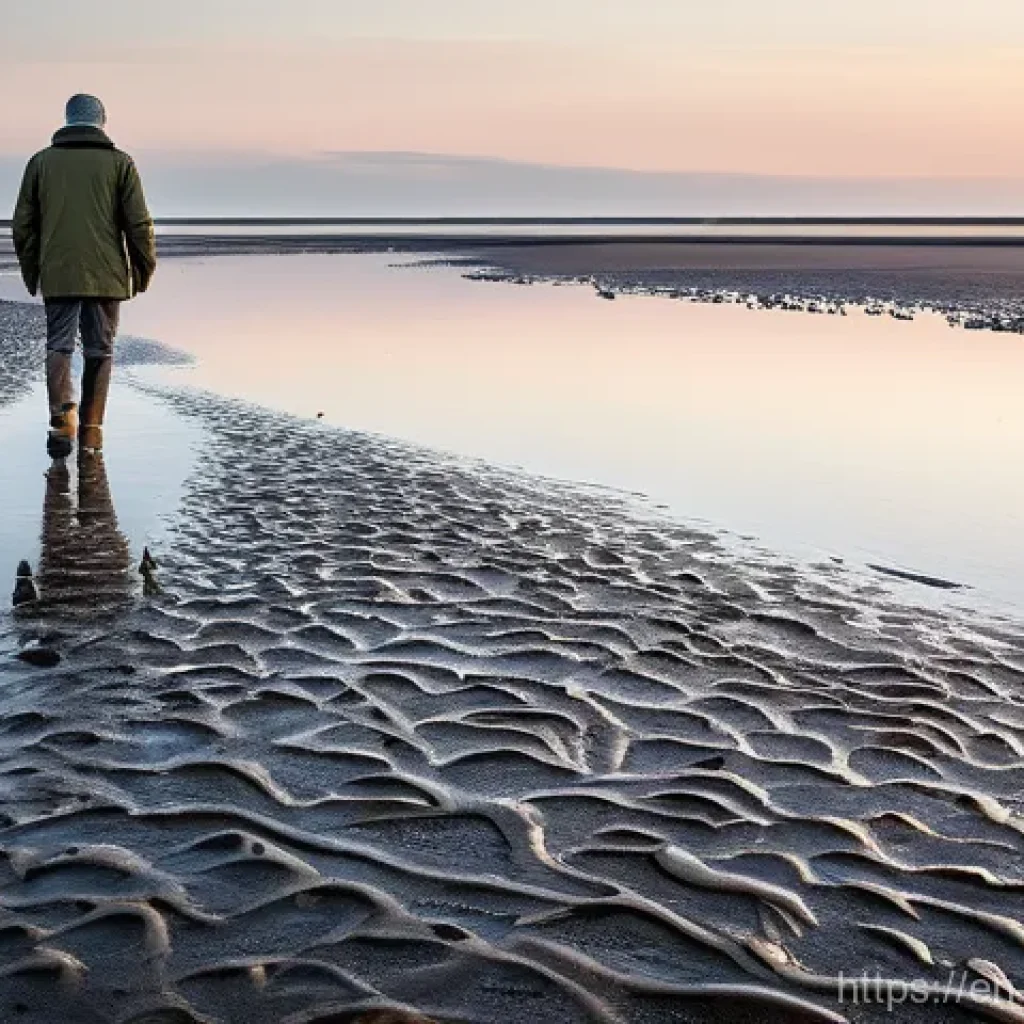
It’s truly a surreal experience to stand where just hours before the North Sea had its firm grasp. When the tide pulls back, it unveils an otherworldly landscape, a vast, flat expanse of mudflats and sandbanks stretching as far as the eye can see.
I remember my first time, the sheer enormity of it, feeling like an ant on a giant’s dinner table, was absolutely breathtaking. You literally walk on the seabed, a phenomenon that still gives me goosebumps every time I think about it.
This isn’t just a walk; it’s a journey into a dynamic ecosystem, where every step reveals tiny wonders, from lugworm casts dotting the mud to the glistening shells of mussels clinging to the exposed seabed.
It’s a humbling reminder of the immense power of the tides, dictating life and rhythm in this unique corner of the world. What truly makes this experience unforgettable is the realization that you’re witnessing a landscape constantly being sculpted by the ocean’s breath, a truly living, evolving canvas.
The Phenomenon of Ebb and Flow
The Wadden Sea is defined by its incredible tidal range, a daily ballet of ebb and flow that exposes and submerges millions of square meters of seabed.
Twice a day, the water retreats, revealing what lies beneath, and twice a day, it returns, replenishing the landscape. This constant movement creates a rich, nutrient-filled environment that supports an astonishing array of life, making it one of the most productive natural habitats on Earth.
I’ve learned that understanding the tidal calendar is absolutely crucial for any visit, not just for safety but also to fully appreciate the unique opportunities it presents.
Missing the low tide means missing the chance to explore the expansive flats, while being unprepared for the incoming tide can be dangerous. It’s a powerful testament to how interconnected everything is here, from the smallest creature to the grandest natural cycles.
Essential Gear for Your Tidal Walk
Trust me on this one: comfortable, waterproof boots are non-negotiable. Walking on the seabed means traversing soft mud and wet sand, and you’ll want to keep your feet dry and warm, especially if you visit outside of peak summer.
I made the mistake once of wearing regular walking shoes and quickly regretted it! Beyond footwear, consider dressing in layers. The weather near the coast can change rapidly, and even on a sunny day, the wind can have a biting chill.
A windproof and waterproof outer layer is always a good idea. And don’t forget a camera – the views, particularly during sunrise or sunset over the vast, shimmering flats, are absolutely spectacular and you’ll want to capture those moments.
Binoculars are also a fantastic addition, allowing you to spot distant birdlife or even seals basking on sandbanks.
Where the Sky Comes Alive: Witnessing the ‘Black Sun’
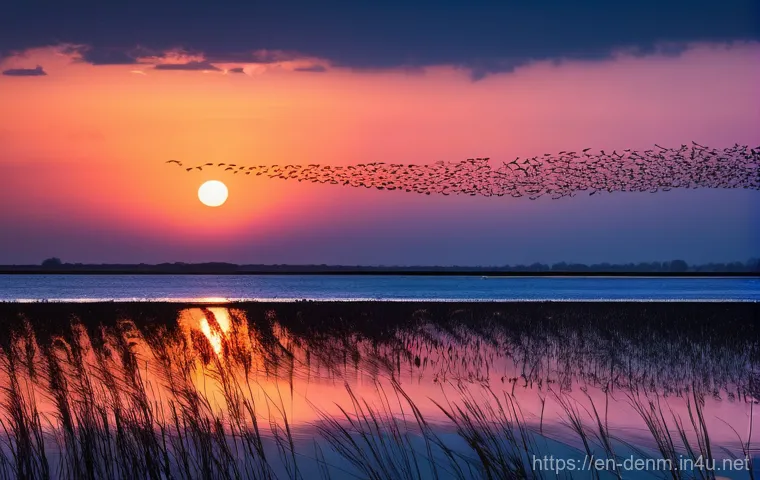
If you ever find yourself in the Wadden Sea region during autumn or spring, you absolutely must try to witness the ‘Sort Sol,’ or ‘Black Sun.’ It’s an experience that truly transcends description, a moment where nature puts on its most dramatic and awe-inspiring show.
Imagine millions upon millions of starlings, forming immense, swirling patterns against the evening sky, moving as one giant, fluid entity. It’s not just a large flock; it’s a living, breathing cloud of birds, twisting, turning, and dancing in unison, creating breathtaking aerial ballets that change shape every second.
I remember the sound of their wings, a soft rustle that builds to a low hum, an almost primal sound that vibrates through you. It’s a spectacle of such immense scale and beauty that you feel incredibly small, yet profoundly connected to the wild heart of the world.
The Starling Spectacle
These incredible displays are essentially a defensive maneuver. The starlings gather in these massive flocks before roosting for the night, making it harder for predators like birds of prey to target individual birds.
What truly fascinated me was the sheer coordination; it’s almost as if they are guided by a single, unseen intelligence. The murmurations can last for 20-30 minutes, and throughout that time, your eyes are glued to the sky, trying to comprehend the complexity and elegance of their movements.
It’s a living artwork, a masterpiece painted by nature, and it’s a stark reminder of the incredible biodiversity and natural phenomena that still exist when we take the time to look up and truly observe.
Each time I’ve witnessed it, I’ve left feeling completely rejuvenated and inspired by nature’s boundless creativity.
Best Times and Locations for Sort Sol
The best time to catch the ‘Black Sun’ is typically during the spring (late March to mid-April) and autumn (late August to October) migration periods.
That’s when these vast numbers of starlings are passing through or gathering in the Wadden Sea area. You’ll want to be out just before sunset, usually about an hour or so beforehand, as that’s when they start to gather for their evening display.
Locations around Tønder and Ribe are often prime spots, as the birds tend to congregate in the marshlands and reed beds. I highly recommend checking with local visitor centers or even joining a guided tour; the guides often know the specific fields and areas where the starlings are currently roosting, which can change daily.
It makes a huge difference to have local insight to truly maximize your chances of witnessing this unforgettable natural phenomenon.
A Haven for Wildlife: Seals, Birds, and More
Beyond the dramatic tidal shifts and the stunning aerial displays, the Wadden Sea National Park is a vibrant sanctuary teeming with life. It’s not just a backdrop; it’s a crucial home, nursery, and refueling station for an astonishing variety of creatures.
My personal favorite encounters involve the seals – their playful curiosity and the way they seem utterly at home in this wild environment never fails to put a smile on my face.
But it’s so much more than just seals; this entire region functions as a vital cog in the global ecosystem, a place where millions of migratory birds literally depend on the rich food sources found in its mudflats to complete their arduous journeys.
Every visit unveils new observations, new connections, and a deeper appreciation for the intricate web of life sustained by these unique waters.
Getting Up Close with the Local Seals
The Wadden Sea is home to the largest population of harbor seals in Denmark, and spotting them is one of the absolute highlights of any trip. You’ll often see them basking on sandbanks when the tide is low, looking like sleepy logs, or popping their heads out of the water with an almost comical inquisitiveness.
I’ve had some incredible moments watching them swim with such grace and agility. While it’s always important to maintain a respectful distance – they are wild animals, after all – joining a boat tour specifically designed for seal spotting is an experience I highly recommend.
These tours get you close enough to observe them without disturbing their natural behavior, and the guides usually have fantastic insights into their habits and the best places to find them.
It truly brings the whole ecosystem to life when you see these magnificent creatures thriving.
Birdwatcher’s Paradise
For anyone with an interest in birds, the Wadden Sea is nothing short of a paradise. This area is a critical stopover for 10-12 million migratory birds annually, essentially making it a massive international airport for our feathered friends traveling between breeding grounds in the Arctic and wintering areas in Europe and Africa.
Think about that for a second – millions! From vast flocks of waders probing the mud for food to elegant geese and powerful raptors, the diversity is simply astounding.
I’ve spent hours just quietly observing the different species, mesmerized by their feeding patterns and their sheer numbers. Bringing a good pair of binoculars and a bird identification guide is essential if you want to make the most of this incredible opportunity to connect with global avian migration.
Beyond the Feathered Friends
While birds and seals often steal the show, the Wadden Sea’s biodiversity runs much deeper. Beneath the surface of the mudflats and within the salt marshes, there’s a bustling world of invertebrates, fish, and unique plant life.
The mud itself is a living organism, a rich, oxygenated environment filled with worms, snails, and small crustaceans that form the base of the entire food chain.
You’ll find unique grasses adapted to saltwater conditions in the salt marshes, and even specific types of fish, like flounder and plaice, thriving in the shallow waters.
It’s a reminder that even in what might initially appear to be a barren landscape, there is an incredible, resilient abundance of life, all playing its part in this extraordinary natural balance.
Taste of the Wadden Sea: Oyster Hunting and Local Delicacies
Who would have thought that a national park could also offer such a unique culinary adventure? One of the most unexpected and incredibly fun activities I discovered in the Wadden Sea is oyster hunting.
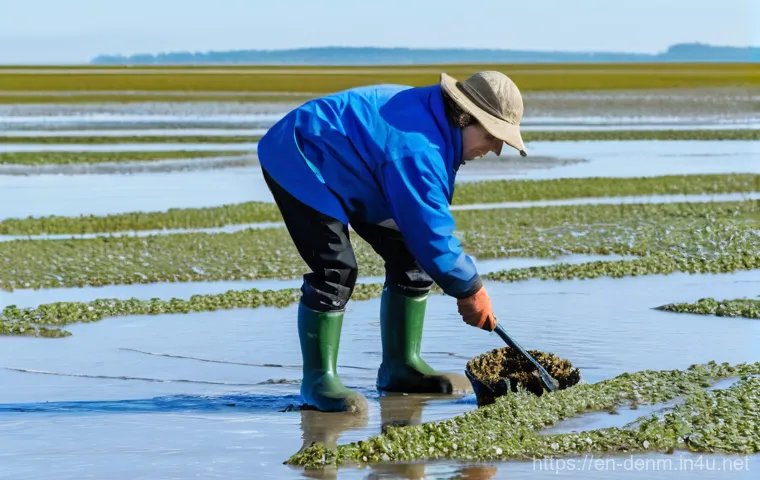
And we’re not talking about just any oysters; these are the Pacific oysters, an invasive species that, while not native, offer a fantastic and sustainable opportunity to literally harvest your own fresh seafood right from the seabed.
There’s something incredibly satisfying about pulling on your waders, heading out during low tide, and filling a basket with oysters you’ve collected yourself.
It’s an active, hands-on experience that connects you directly to the environment and then rewards you with an absolutely delicious meal. It’s definitely one of those “only in the Wadden Sea” moments that truly makes the trip memorable.
Your Own Oyster Adventure
Oyster hunting in the Wadden Sea is an adventure I highly recommend. It usually involves joining a guided tour, which is essential for safety and knowing where to find the best spots.
The guides also provide you with the necessary equipment – often waders, buckets, and oyster knives – and teach you how to safely open the shells. I remember the thrill of spotting a cluster of oysters, carefully prying them from their beds, and then, at the end of the tour, enjoying them incredibly fresh, often right there on the shore with a squeeze of lemon.
It’s an incredibly fresh, authentic taste of the sea, and knowing you’re helping manage an invasive species while enjoying a delicious treat makes it even better.
This is definitely not just for seafood lovers; it’s an experience for anyone seeking a unique outdoor activity.
Local Flavors to Savor
Beyond oyster hunting, the Wadden Sea region offers a delightful array of local culinary experiences rooted in its rich natural resources. You’ll find restaurants serving up freshly caught fish and seafood, often prepared with traditional Danish flair.
Think plaice, herring, and mussels, often sourced directly from the surrounding waters. I’ve had some unforgettable meals here, where the quality and freshness of the ingredients really shine through.
Many local eateries also embrace farm-to-table philosophies, utilizing ingredients from the fertile marshlands and nearby farms. Don’t be shy about asking locals for their recommendations; they often know the best spots for authentic, regional dishes that truly reflect the bounty of the Wadden Sea.
It’s a fantastic way to extend your cultural experience beyond just the landscapes and wildlife.
Exploring the Islands: Fanø, Mandø, and Rømø
The Wadden Sea National Park isn’t just about the mainland; it’s also graced by a trio of charming islands, each with its own distinct character and allure: Fanø, Mandø, and Rømø.
These islands are not merely geographical features; they are vibrant communities, living testaments to human resilience and adaptation in a unique environment.
Visiting them offers a completely different perspective on the Wadden Sea, allowing you to experience the local culture, explore stunning beaches, and delve into fascinating histories.
From the moment I stepped off the ferry onto Fanø, I felt a distinct sense of stepping back in time, into a slower, more deliberate pace of life. Each island offers something special, making them perfect for a day trip or even a longer stay to truly soak in their atmosphere.
| Island Name | Main Access Method | Key Highlights | Unique Charm |
|---|---|---|---|
| Fanø | Ferry from Esbjerg | Charming towns, arts and crafts, vast beaches, seal spotting | Bohemian atmosphere, traditional Fanø houses, kite festival |
| Mandø | Tractor bus (tidal dependent), private car via causeway (tidal dependent) | Isolated feel, birdwatching, “island at the end of the world” vibe | Strong community spirit, limited access adds to its mystique |
| Rømø | Causeway by car from mainland (Sønderjylland) | Europe’s widest sand beaches, historical churches, holiday homes | Accessible by car, vast open spaces for outdoor activities, relaxed holiday feel |
Fanø: Arts, Culture, and Charm
Fanø, just a short ferry ride from Esbjerg, immediately captivates with its laid-back vibe and picturesque villages. The island is renowned for its traditional Fanø houses with their distinctive thatched roofs, and you’ll find charming artisan shops, galleries, and cafes tucked away on cobblestone streets.
I loved exploring Nordby and Sønderho, each offering a unique glimpse into island life. Sønderho, in particular, has been voted Denmark’s most beautiful village, and it’s easy to see why with its narrow lanes and historic maritime atmosphere.
The island also boasts incredibly wide, sandy beaches perfect for kite flying – in fact, it hosts a huge international kite festival every year! It’s a wonderful place to rent a bike and just cycle through the varied landscapes, feeling the sea breeze on your face.
Mandø: A World Apart
Mandø is truly special because of its unique isolation. It’s the only Danish Wadden Sea island that can only be reached by an old-fashioned tractor bus, or by driving your own car across a tidal causeway, but only when the tide is out!
This limited access creates an incredible sense of stepping into a different world, a place where the rhythm of the tides dictates daily life more directly than anywhere else.
I remember the anticipation of waiting for the tractor bus, then the adventurous ride across the seabed. Once on Mandø, it feels incredibly peaceful, almost untouched by the hustle and bustle of the mainland.
It’s a fantastic spot for birdwatching and simply soaking in the tranquility, feeling completely disconnected from everything. The small, close-knit community adds to its charm, and you really get a sense of traditional island life.
Rømø: Wide Beaches and Viking History
Rømø is connected to the mainland by a long causeway, making it the most easily accessible of the Danish Wadden Sea islands. And what awaits you there are arguably some of Europe’s widest sand beaches – absolutely massive expanses where you can drive your car right onto the sand!
This makes it incredibly popular for families and anyone wanting vast open spaces for activities like kite surfing, horse riding, or simply enjoying the immense scale of the coastline.
I was struck by the sheer size of the beach; it felt endless. Beyond the incredible beaches, Rømø also has a fascinating history, including remnants of Viking settlements and beautiful old churches.
It’s a place where you can combine thrilling outdoor adventures with a touch of historical exploration, offering something for everyone seeking a blend of relaxation and activity.
The Wadden Sea Centre: Your Gateway to Discovery
Before venturing out into the vastness of the Wadden Sea National Park, I always recommend making a stop at the Wadden Sea Centre. Think of it as your essential starting point, a place where all the incredible wonders you’re about to experience are beautifully explained and brought to life.
It’s much more than just a museum; it’s an immersive experience that deepens your understanding and appreciation for this unique environment. From interactive exhibits that simulate the tidal flows to stunning displays about the millions of migratory birds and the delicate ecosystems, the center does an outstanding job of showcasing the park’s global significance.
It transforms what might initially seem like just mudflats into a dynamic, living landscape teeming with hidden stories and scientific marvels, truly preparing you for what lies ahead.
Engaging Exhibits and Insights
The exhibits at the Wadden Sea Centre are incredibly well-designed and engaging for all ages. They use a fantastic blend of modern technology and hands-on displays to explain complex ecological concepts in an accessible way.
I particularly enjoyed the sections on the “Black Sun” phenomenon, which used multimedia to convey the sheer scale and beauty of the starling murmurations.
There are also detailed explanations about the different types of seals found in the area, the incredible journey of migratory birds, and the geological processes that shaped the Wadden Sea over millennia.
It’s a place where you can easily spend a couple of hours, learning fascinating facts and gaining insights that will undoubtedly enrich your outdoor explorations.
You really start to see the mudflats not as empty spaces, but as vibrant, productive environments.
Guided Tours: A Must-Do Experience
While exploring independently is always an option, joining one of the Wadden Sea Centre’s guided tours is an experience I cannot recommend highly enough.
The guides are not just knowledgeable; they are passionate experts who bring the landscape to life with their stories and deep understanding of the area.
Whether it’s a guided walk on the seabed, a birdwatching excursion, or an oyster-hunting trip, their insights are invaluable. They can point out things you would undoubtedly miss on your own, explain the intricate relationships between species, and share fascinating anecdotes about the history and culture of the region.
I’ve always found that a good guide transforms a simple walk into a profound learning experience, and the Wadden Sea Centre’s guides are truly exceptional at making this unique environment understandable and utterly captivating.
Wrapping Up Our Wadden Sea Journey
Well, what an incredible journey we’ve had through the Wadden Sea National Park! From feeling the ancient seabed beneath my feet and witnessing the mesmerizing dance of the ‘Black Sun’ to discovering playful seals and harvesting delicious oysters, this place truly offers a tapestry of unforgettable experiences. I hope sharing my adventures has sparked your own curiosity and inspired you to explore this truly unique corner of the world. It’s more than just a destination; it’s a living, breathing ecosystem that reminds us of nature’s profound beauty and resilience. Trust me, the memories you’ll make here will last a lifetime, etching themselves into your soul as only a truly wild place can.
Handy Tips for Your Wadden Sea Adventure
Planning a trip to the Wadden Sea can seem a bit overwhelming with all its natural wonders, but with a few pointers, you’ll be all set for an incredible time. I’ve learned these lessons firsthand, sometimes the hard way, so take it from me – these tips will make your visit smoother and even more rewarding.
1. Always, and I mean always, check the tidal calendar before you head out. The Wadden Sea’s rhythm is dictated by the tides, and missing low tide means missing out on mudflat walks or oyster hunting. More importantly, understanding the incoming tide is crucial for your safety, especially if you plan to explore Mandø or walk on the seabed. Local visitor centers or reliable online resources will have up-to-date information, and it’s something I absolutely never skip. It literally shapes your entire day’s activities, so a quick check can save you a lot of hassle and ensure you maximize your time.
2. Pack wisely, focusing on layers and waterproof gear. The coastal weather can be famously unpredictable, shifting from sunny skies to brisk winds in a blink. Comfortable, waterproof boots or waders are non-negotiable for mudflat walks or oyster hunting – you’ll thank me when your feet stay dry! A windproof and waterproof outer layer is also a lifesaver. Even on seemingly warm days, the breeze coming off the North Sea can have a real bite, making those extra layers incredibly comforting. Don’t forget your camera for those stunning landscapes and wildlife shots!
3. Consider joining a guided tour, especially for specialized activities. While exploring independently is fun, the insights and safety provided by local guides are invaluable. For seal spotting, oyster hunting, or even a simple mudflat walk, a guide can point out things you’d never notice on your own, share fascinating local stories, and ensure you’re navigating the environment safely. I’ve found that these tours significantly enrich the experience, giving you a deeper appreciation for the ecosystem and its hidden wonders. Plus, they often know the best, most fruitful spots!
4. Embrace the local culinary scene, particularly the fresh seafood. The Wadden Sea region is a foodie’s delight, offering incredibly fresh fish and, of course, the famous Pacific oysters. Whether you’re harvesting your own or enjoying them at a local restaurant, the taste of the sea here is unparalleled. Don’t be afraid to try local specialties like plaice or herring, often prepared with traditional Danish flair. Asking locals for recommendations often leads to discovering those charming, authentic eateries that serve up the most delicious, regionally sourced meals – it’s a fantastic way to taste the culture.
5. Remember to respect the environment and its wildlife. The Wadden Sea is a UNESCO World Heritage site and a crucial habitat for millions of birds and seals. When observing wildlife, always maintain a respectful distance to avoid disturbing them, especially during breeding or resting periods. Stick to marked paths and dispose of all waste responsibly. This is a delicate ecosystem, and our actions as visitors have a direct impact. By being mindful and considerate, we help preserve this extraordinary natural wonder for generations to come, ensuring its beauty and biodiversity thrive.
Key Takeaways for Your Visit
As we wrap up our virtual journey, remember that the Wadden Sea National Park is an extraordinary testament to nature’s power and beauty. It’s a place where the daily ebb and flow of tides sculpt a dynamic landscape, where millions of migratory birds find refuge, and where diverse communities thrive on the resilience of the sea. Don’t just visit; immerse yourself in its unique phenomena, from the breathtaking ‘Black Sun’ murmurations to the thrill of walking on the seabed. Explore the distinct charms of its islands—Fanø, Mandø, and Rømø—each offering a different facet of coastal life and history. And absolutely make a stop at the Wadden Sea Centre; it’s not just an exhibition but an indispensable guide that truly unlocks the stories and science behind this incredible UNESCO World Heritage site, preparing you for an adventure that will resonate long after you’ve left its shores. This isn’t just a trip; it’s an experience that deeply connects you with the wild heart of our planet.
Frequently Asked Questions (FAQ) 📖
Q: So, when’s the absolute best time to visit Denmark’s Wadden Sea National Park to really experience its magic?
A: Oh, that’s such a great question, and honestly, it depends a bit on what kind of magic you’re chasing! If you’re anything like me and absolutely mesmerized by nature’s grand spectacles, then you simply cannot miss the spring or autumn months.
That’s when the famous “Sort Sol,” or Black Sun, phenomenon takes over the skies, with millions of starlings dancing in incredible formations before they roost.
It’s truly a sight that gives you goosebumps, something I still vividly remember from my first visit! For migratory bird enthusiasts, these seasons are also prime as countless species stop here to refuel.
If you’re dreaming of spotting adorable seal pups, then summer is your sweet spot, typically June and July, when the nurseries on the sandbanks are bustling.
And for those with a taste for adventure and delicious seafood, the cooler months, especially from October to April, are fantastic for oyster hunting.
So, while I personally adore the dramatic skies of autumn, every season offers a unique, unforgettable experience, making the Wadden Sea a year-round wonder!
Q: Okay, so what are the must-do unique experiences at the Wadden Sea that I absolutely shouldn’t miss?
A: Alright, if you want to truly dive deep into what makes the Wadden Sea so extraordinary, there are a few experiences you simply have to try. First up, and this is non-negotiable in my book, is going for a guided mudflat hike.
Trust me, there’s nothing quite like walking on the seabed, feeling the soft mud beneath your boots, and knowing that just hours later, the sea will reclaim it.
It’s an incredibly humbling and unique perspective on nature! Secondly, if the season is right, an oyster safari is an absolute blast. Imagine foraging for fresh Pacific oysters directly from the seabed and shucking them right there – it’s a foodie adventure unlike any other, and you’re even helping the local ecosystem by harvesting these invasive species.
Finally, a seal safari is a definite must. Seeing the curious, playful harbor seals basking on the sandbanks from a boat is just pure joy. These three activities really showcase the Wadden Sea’s dynamic spirit and biodiversity, and they’ve left me with some of my most cherished travel memories!
Q: I’m excited to visit! What are your top tips for planning my trip and making the most of my time there?
A: Fantastic! You’re in for a real treat. My biggest tip, especially for those venturing out onto the mudflats or hunting for oysters, is to always book a guided tour.
The tides here are powerful and the landscape can be tricky, so going with experienced local guides ensures your safety and enriches your experience immensely with their incredible knowledge.
Before you even set off, make sure to check the tide tables – they dictate everything from when you can walk the mudflats to ferry schedules for the islands like Fanø or Rømø.
As for what to wear, layers are your friend, as the weather can change quickly. Sturdy, waterproof boots are essential for any outdoor exploration, especially if you plan on getting muddy (which you absolutely should!).
I also highly recommend starting your adventure at the Wadden Sea Centre in Ribe. It’s a fantastic starting point, offering brilliant insights into the park’s ecology and history, which truly deepens your appreciation for everything you’ll see.
And if you have the time, staying a night or two on one of the islands allows you to fully immerse yourself in the tranquil, unique atmosphere that only the Wadden Sea can offer.
Enjoy every moment!