You know, when we talk about the Industrial Revolution, our minds often jump straight to the smoke-stacked factories of Britain or the booming industries of Germany.
But what if I told you there was a nation that carved out its own entirely unique, and frankly, brilliant path to industrialization? Denmark’s story is one that genuinely surprised me as I dug into it, showcasing an incredible journey that defied the conventional playbook.
Imagine a country flourishing economically, even before widespread mechanization, built on the backbone of an innovative agricultural revolution and a spirit of cooperation that still defines them today.
They managed to transform their economy, not by simply mimicking their neighbors or relying on abundant coal or iron, which they barely had, but by cleverly adapting and reinventing their strengths through smart strategic choices.
This wasn’t just about new machines; it was about an entire society shifting gears, creating a framework for the high-income, innovative nation we see today.
It makes you think differently about what “industrial revolution” truly means, doesn’t it? I’ve personally found it a compelling example of resilience and strategic foresight.
Come on, let’s peel back the layers of Denmark’s fascinating industrial evolution and discover how they truly mastered the art of progress!
Cultivating Ingenuity: The Green Roots of Danish Prosperity

You know, it’s easy to assume that industrialization means belching smokestacks and massive steel mills, but Denmark’s journey completely rewrites that script, and it’s truly fascinating.
What struck me most as I dug into this was how they didn’t just *react* to industrial changes happening elsewhere; they proactively built their own path, starting right from the land itself.
Instead of waiting for factories to spring up, Denmark leveraged its primary asset – agriculture – and transformed it into a powerhouse of innovation and efficiency.
They didn’t have massive coal reserves or iron ore deposits like their neighbors, so they thought, “Okay, what *do* we have, and how can we make it exceptional?” It was a brilliant pivot, a testament to strategic thinking.
They moved from a system of subsistence farming, where everyone just tried to grow enough to survive, to highly specialized, market-oriented production.
This wasn’t some slow, organic drift; it was a deliberate, nationwide effort, fueled by education and a shared vision. I’ve personally seen how a focus on core strengths can yield incredible results, and Denmark’s agricultural revolution is a prime example of turning what seems like a limitation into an unparalleled advantage.
It really makes you appreciate how foresight can shape an entire nation’s destiny.
From Subsistence to Specialization: A Calculated Shift
Imagine being a farmer in the late 19th century. The world is changing rapidly, new technologies are emerging, and suddenly, your traditional ways aren’t cutting it anymore.
That’s exactly where Denmark found itself. But instead of throwing in the towel, they doubled down on smart agriculture. The shift wasn’t just about growing more; it was about growing *smarter*.
They focused on high-value products like dairy and pork, which were in increasing demand across Europe, especially with better transportation links. This required a level of collective organization and quality control that was revolutionary for its time.
They weren’t just selling raw produce; they were selling processed goods with a reputation for excellence. I mean, think about it – they were essentially branding their agricultural output long before branding became a buzzword!
This strategic specialization allowed them to compete on quality, not just quantity, and it cemented their position as a crucial food supplier for a rapidly urbanizing continent.
It truly set the stage for their future economic resilience.
The Power of Dairy: White Gold and Global Markets
When I talk about Denmark’s agricultural prowess, dairy almost always comes up. It’s their “white gold,” if you will. The quality of Danish butter and cheese became legendary, sought after in markets from London to Berlin.
This wasn’t accidental; it was the result of meticulous breeding, advanced farming techniques, and strict quality standards, all underpinned by extensive research and development.
Farmers didn’t just milk cows; they became experts in animal husbandry and dairy processing. They understood that consistency and hygiene were paramount.
This dedication to excellence transformed what could have been a simple commodity into a premium product. I’ve always admired how a nation can take something as seemingly mundane as milk and elevate it to such an esteemed position on the global stage.
It wasn’t just about selling a product; it was about selling trust and a promise of unparalleled quality, a principle that continues to drive Danish industries today.
The Cooperative Spirit: A Nation Built on Shared Success
If there’s one thing that truly distinguishes Denmark’s path to industrialization, it’s the profound role of cooperation. This wasn’t a top-down mandate from a distant government; it was an organic, grassroots movement that empowered individuals and transformed communities.
Farmers, artisans, and small businesses realized that by pooling their resources, sharing knowledge, and collectively addressing challenges, they could achieve far more than they ever could alone.
This isn’t just some dry economic theory; it’s a living, breathing testament to how collective action can uplift an entire society. I’ve personally witnessed the tangible benefits of strong cooperative structures in other parts of the world, but Denmark truly pioneered this on a national scale.
It created a powerful network of shared ownership and mutual responsibility, which fostered a deep sense of community and collective progress. This cooperative model wasn’t just a fleeting trend; it became an integral part of the Danish identity, shaping everything from their agricultural sector to their social welfare system.
Farmer-Owned, Nation-Strong: The Cooperative Model
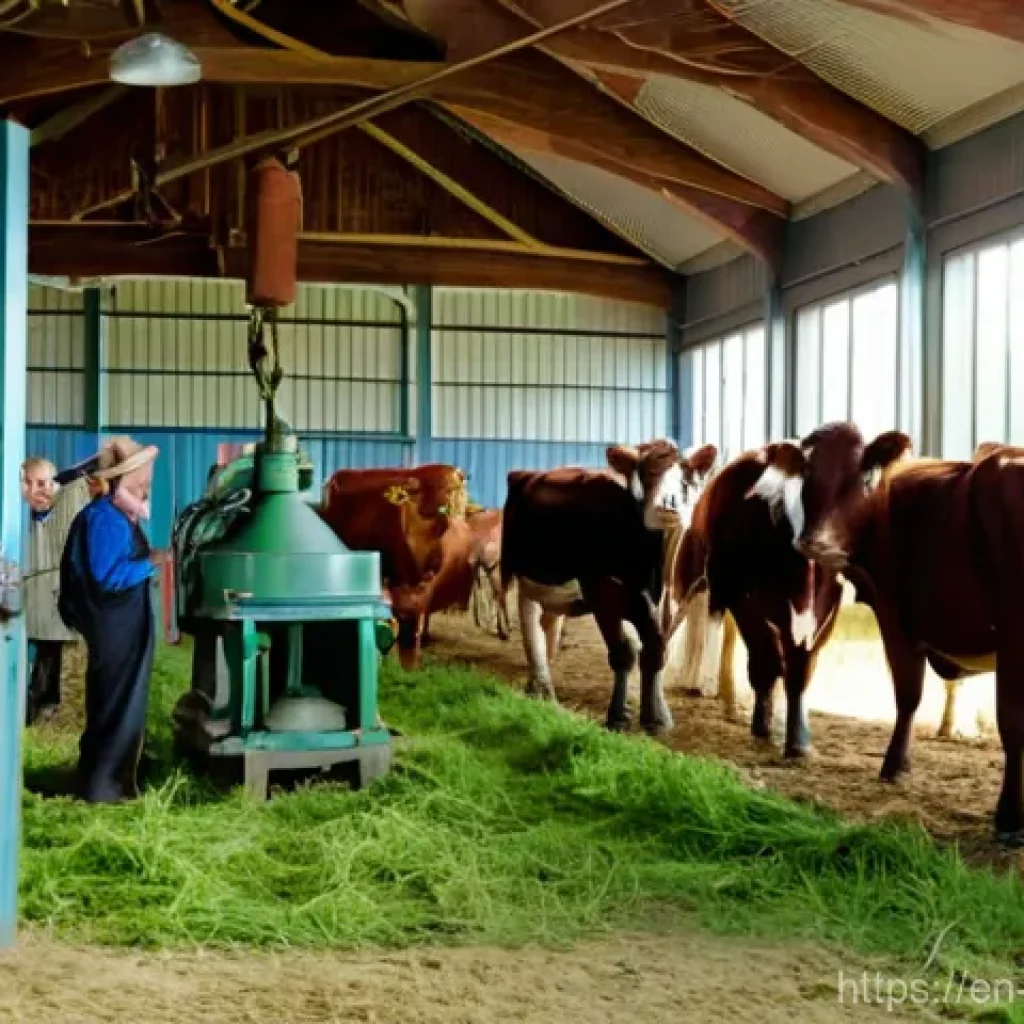
The Danish cooperative movement really took off in agriculture, and it was a game-changer. Farmers established cooperative dairies, slaughterhouses, and purchasing associations.
This meant they collectively owned the facilities for processing their products and marketing them directly, cutting out middlemen and ensuring fairer prices.
More importantly, it meant that the profits weren’t just going to a few wealthy industrialists; they were distributed among the farmer-members, directly reinvesting in rural communities and improving livelihoods.
This horizontal integration gave them incredible control over their supply chain and quality. When I think about it, this was an early form of stakeholder capitalism, empowering those at the very foundation of the economy.
It fostered a sense of shared destiny – when one farmer succeeded, the entire cooperative benefited, creating a powerful incentive for mutual support and innovation.
Beyond Production: Ensuring Quality and Fair Pricing
The cooperatives weren’t just about economic efficiency; they were also fiercely committed to quality control and ensuring fair practices. They established rigorous standards for production, processing, and hygiene, which elevated the reputation of Danish products globally.
This wasn’t just good for business; it built immense trust among consumers. Furthermore, by negotiating collectively, farmers had a stronger voice in the marketplace, preventing exploitation and ensuring they received equitable prices for their hard work.
It also meant they could collectively invest in new technologies and research, staying ahead of the curve. This focus on ethical practices and consistent quality, driven by the cooperative structure, became a cornerstone of Denmark’s economic success and a model for sustainable development.
Educating for Progress: The Folk High School Phenomenon
One of the most inspiring aspects of Denmark’s unique industrialization story, to me, is their unwavering belief in the power of education. And I’m not just talking about formal schooling for the elite; I mean genuine, accessible education for *everyone*, particularly the rural population.
They understood, instinctively, that you can have all the new machines and factories in the world, but without an informed, engaged, and capable populace, true progress is impossible.
This led to the rise of the Danish Folk High School movement, a concept that genuinely blew me away when I first learned about it. These weren’t your typical exam-focused institutions; they were about holistic personal development, critical thinking, and fostering a sense of community and civic responsibility.
It was a visionary approach that recognized human capital as the most valuable resource a nation could possess. I truly believe this investment in broad-based education was as crucial, if not more so, than any technological advancement in shaping modern Denmark.
Knowledge for All: Empowering Rural Communities
The Folk High Schools, championed by figures like N.F.S. Grundtvig, weren’t about vocational training in the traditional sense, though practical skills were certainly valued.
Their primary goal was to awaken and enlighten ordinary people, giving them a broader understanding of history, culture, society, and democratic principles.
Imagine farmers, laborers, and domestic workers attending these residential schools, discussing philosophy, literature, and current events. It wasn’t about grades; it was about growth.
This empowered rural communities, giving them the knowledge and confidence to participate actively in the cooperative movement, to understand market dynamics, and to make informed decisions that benefited their collective good.
It built a strong intellectual foundation that permeated society, fostering a culture of lifelong learning and active citizenship.
A Foundation of Critical Thinking and Social Cohesion
What I find particularly powerful about the Folk High School model is its emphasis on critical thinking and fostering social cohesion. By engaging people in discussions and encouraging them to question and reflect, these schools didn’t just impart facts; they cultivated independent thinkers.
This was incredibly important for a nation undergoing rapid change. Furthermore, bringing people from different backgrounds together, living and learning in a community setting, naturally built bonds and a shared sense of national identity.
This social capital was invaluable in enabling the cooperative movement to thrive and in fostering a society capable of adapting and innovating together.
It’s a powerful reminder that education isn’t just about job skills; it’s about building a resilient, thoughtful, and interconnected society.
Beyond the Smokestacks: Crafting a Unique Industrial Identity
When most people picture industrialization, they imagine towering smokestacks, vast factories churning out steel or textiles, and perhaps a dense urban landscape.
Denmark, however, decided to paint a very different picture. Lacking the raw materials for heavy industry, they instinctively understood that their path wouldn’t be one of brute force or sheer scale.
Instead, they focused on precision, design, and specialization. This wasn’t about replicating what Britain or Germany were doing; it was about carving out a distinct niche where quality, craftsmanship, and intelligent design were paramount.
I’ve always admired how a nation can look at its limitations and say, “Okay, how can we turn this into our superpower?” Denmark didn’t just industrialize; it curated an industrial identity centered on expertise and value-added products.
This strategic foresight allowed them to sidestep direct competition in mass production and instead excel in areas requiring finesse and ingenuity. It’s a testament to creative problem-solving and an early embrace of what we now call “smart specialization.”
Precision and Niche: The Danish Approach to Manufacturing
Denmark’s industrial development leaned heavily into areas where precision engineering, skilled labor, and thoughtful design could provide a competitive edge.
Think about industries like specialized machinery for agriculture and food processing, marine equipment, or even the initial forays into wind turbine technology.
These weren’t industries that relied on endless raw materials but rather on intellectual property, innovative design, and high-quality components. They mastered the art of making fewer, but better, things.
This focus on niche markets meant they weren’t trying to out-compete the industrial giants on sheer volume but rather on superior function and reliability.
This is a strategy I’ve seen many smaller, successful economies adopt today, proving Denmark was truly ahead of its time.
Designing for Life: From Furniture to Pharmaceuticals

It’s no accident that Danish design became world-renowned during and after this period. The emphasis on functionality, aesthetics, and human-centric design, seen in everything from iconic furniture to user-friendly appliances, reflects a deeper industrial philosophy.
They weren’t just making things; they were designing solutions for better living. Beyond aesthetics, their industrial shift also paved the way for highly advanced sectors like pharmaceuticals and biotech.
These are industries that demand immense precision, research, and a highly skilled workforce—areas where Denmark’s foundational investments in education and quality control truly paid off.
It’s truly incredible to see how a nation can transition from agricultural dominance to excelling in such diverse and high-value industrial sectors, all by staying true to its core principles of quality and thoughtful innovation.
Smart Strategies, Sustainable Growth: A Long-Term Vision
What makes Denmark’s industrial narrative particularly compelling, from my perspective, is the clear sense of a long-term vision, often intertwined with a surprising early embrace of sustainability.
They weren’t just thinking about immediate profits; they were building a foundation for enduring prosperity. This involved careful investments in infrastructure that supported their unique economic model, and a keen awareness of how to manage resources effectively.
It’s almost like they were practicing conscious capitalism before the term even existed. They understood that truly sustainable growth isn’t just about economic metrics; it’s about building a robust society that can withstand future challenges and continually evolve.
This forward-thinking approach has allowed them to consistently adapt and lead in various sectors, proving that strategic planning, even for a smaller nation, can yield outsized global influence.
It truly makes me reflect on the power of proactive, integrated planning.
Investing in Infrastructure: Ports, Rails, and Power
Even without massive heavy industries, Denmark recognized the critical importance of a robust infrastructure. They systematically developed their port facilities to handle agricultural exports and imports efficiently.
Railways were expanded not just for industrial goods, but to connect farming communities and facilitate the movement of produce to processing centers and then to markets.
Crucially, they also invested in power generation, often using local resources or importing what was needed, ensuring that their specialized industries and modern agriculture had the energy they required.
These weren’t just infrastructure projects; they were strategic enablers for their unique economic model, ensuring that goods could move swiftly and efficiently, maintaining their competitive edge in international markets.
It’s a prime example of how targeted infrastructure can amplify a nation’s specific strengths.
Environmental Foresight: Building Green from the Outset
It might sound surprising to talk about environmental foresight in the context of early industrialization, but Denmark was genuinely ahead of its time in this regard.
Their focus on agriculture meant a closer relationship with the land, fostering an understanding of resource management. Furthermore, when they did industrialize, it was often with an eye towards efficiency and sustainability, laying the groundwork for their future leadership in renewable energy.
They weren’t just building factories; they were consciously building a future where economic activity and environmental stewardship could coexist. This early consciousness about resource optimization, driven by necessity and an inherent connection to the land, has undoubtedly shaped their current global leadership in areas like wind power and sustainable urban planning.
It really shows how early choices can have profound and lasting impacts generations later.
What It All Means for Us: Lessons from a Northern Star
So, after diving deep into Denmark’s incredible story, what do I personally take away from it? Well, for me, it’s a powerful reminder that there isn’t a single, monolithic path to success, whether you’re a nation or an individual.
Denmark’s industrial revolution defied so many conventional expectations, and that’s precisely why it’s so inspiring. They didn’t try to be something they weren’t; they leaned into their unique strengths and innovated fiercely.
It’s a testament to resilience, strategic thinking, and the transformative power of a cooperative spirit. This isn’t just historical trivia; these are living principles that are incredibly relevant in today’s rapidly changing world.
When I think about challenges we face today, be it economic shifts or environmental concerns, Denmark’s journey offers a blueprint for adapting creatively and building a future that truly serves its people.
Resilience in the Face of Scarcity: Innovate or Stagnate
Denmark’s story is, at its heart, a narrative of resilience born from scarcity. They didn’t have the vast coal fields of Britain or the abundant iron ore of Germany.
What they had was fertile land, a strategic location, and most importantly, an intelligent, adaptable populace. This scarcity didn’t lead to stagnation; it spurred relentless innovation.
They had to be smarter, more efficient, and more cooperative. It’s a powerful lesson that constraints can often be the greatest catalysts for creativity.
I’ve personally found that some of my most innovative solutions have come when resources were limited, forcing me to think outside the box. Denmark exemplifies this on a national scale, showing how a nation can transform challenges into unique competitive advantages, proving that true wealth lies not just in natural resources, but in ingenuity and human spirit.
The Human Element: People-Centric Development
Perhaps the most profound lesson from Denmark’s experience is the absolute centrality of the human element. Their success wasn’t built on machines alone, or on raw materials, but on an educated, engaged, and empowered populace.
The investments in Folk High Schools, the democratic structure of cooperatives, and the emphasis on social cohesion all point to a development model that placed people at its core.
It shows that when you invest in your people – in their education, their well-being, and their ability to collaborate – you create the most sustainable and dynamic engine for progress.
This focus on human capital and social trust created a society capable of continuous innovation and adaptation. It’s a powerful reminder that true national strength comes from within, from the collective capabilities and shared vision of its citizens.
| Aspect | Conventional Industrialization Path (e.g., UK, Germany) | Denmark’s Unique Industrial Path |
|---|---|---|
| Primary Driver | Heavy industry (coal, iron, textiles), mass production | Agriculture transformation, cooperatives, specialized manufacturing |
| Key Resources | Abundant raw materials (coal, iron ore), large labor force | Fertile land, human capital, strategic trading location |
| Social Structure | Rise of industrial magnates, urban working class, wealth disparity | Strong cooperative movements, empowered rural communities, social cohesion |
| Educational Focus | Technical schools for industrial skills, elite universities | Broad-based public education (Folk High Schools), critical thinking, civic engagement |
| Economic Output | Large-scale, standardized goods; often quantity over quality | High-value, specialized products (dairy, pork, machinery, design); quality focus |
| Environmental Impact | Significant pollution, resource depletion issues emerging | Early focus on resource efficiency, laid groundwork for sustainability |
Wrapping Things Up
Diving into Denmark’s unique journey has been an absolute revelation, hasn’t it? It truly shows us that blazing your own trail, even when it’s unconventional, can lead to incredible, sustainable success. I mean, who would have thought that focusing on agriculture, cooperation, and widespread education could be the bedrock of an advanced industrial nation? It’s a powerful testament to strategic foresight, collective action, and an unshakeable belief in human potential. This story isn’t just history; it’s a vibrant blueprint for how we can all approach challenges today, proving that with ingenuity and a shared vision, anything is truly possible.
Useful Insights to Ponder
1. Embrace Niche Strengths: Denmark didn’t try to be another industrial behemoth. Instead, they doubled down on what they *did* have – fertile land and intelligent people – and turned those into globally competitive advantages like high-quality dairy and specialized machinery. This teaches us that identifying and nurturing your unique strengths, rather than blindly following the crowd, can unlock unparalleled success. It’s about finding your specific corner of the market and becoming the absolute best at it, creating value where others might not even see it. I’ve always found that when you focus intensely on what makes you different, that’s where true innovation often sparks.
2. The Power of Cooperation: The cooperative movement was truly the backbone of Denmark’s early prosperity, empowering farmers and ensuring fair distribution of wealth. This wasn’t just good economics; it built strong communities and fostered a shared sense of purpose. Think about how this applies today: whether in business partnerships, community projects, or even personal endeavors, collaboration can multiply efforts and achieve outcomes far beyond what any individual could manage alone. When people unite with a common goal and trust each other, the impact can be genuinely transformative, creating resilience against external pressures. It’s a principle I’ve seen work wonders time and again.
3. Invest in Human Capital Relentlessly: The Folk High Schools weren’t just about vocational training; they were about educating the *whole* person, fostering critical thinking, civic engagement, and a love for lifelong learning. This holistic approach cultivated an informed and adaptable populace, which proved invaluable as the nation evolved. For us, this highlights the enduring importance of education in its broadest sense – not just acquiring skills, but developing the capacity to think, adapt, and contribute meaningfully to society. Personal growth, continuous learning, and fostering a curious mind are truly the most future-proof investments you can make.
4. Sustainability Isn’t a New Idea: It might seem like a modern buzzword, but Denmark’s journey shows an early, inherent understanding of sustainable practices, especially in agriculture and resource management. Their focus on efficiency and thoughtful design laid the groundwork for their current leadership in green technologies. This reminds us that long-term prosperity is inextricably linked to respecting and wisely managing our resources. Thinking sustainably isn’t just about being environmentally friendly; it’s about building systems that are robust and resilient for generations to come, integrating environmental considerations into every economic decision from the very beginning. They were truly pioneers in this regard, and we can learn so much from their long-term perspective.
5. Adaptability is Key to Survival: Denmark’s ability to pivot from subsistence farming to specialized, high-value agriculture and then to advanced industrial sectors like pharmaceuticals and wind energy demonstrates incredible adaptability. They didn’t cling to outdated methods; they constantly innovated and reimagined their economic identity. In our fast-paced world, this lesson is more relevant than ever. The ability to learn, unlearn, and relearn, to embrace change rather than resist it, is crucial for both personal and collective success. It’s about having the courage to evolve, to experiment, and to strategically adjust your course when circumstances demand it. I’ve personally found that the willingness to adapt is the single most important trait for navigating unpredictable times.
Key Takeaways for Your Own Journey
What I really want you to walk away with after exploring Denmark’s path is a profound appreciation for strategic innovation and community spirit. It’s not about having the biggest factories or the most raw materials; it’s about intelligent application of what you *do* have. First, never underestimate the power of your core strengths. Denmark transformed its agricultural base into a sophisticated, high-value export machine, showing how a laser focus on quality and specialization can overcome perceived limitations. They didn’t just grow food; they grew a reputation for excellence, which is a powerful lesson for any aspiring influencer or business owner. Second, collective action creates incredible leverage. The cooperative movement wasn’t just a quaint idea; it was a fundamental economic engine that spread wealth and built resilience. Think about your own networks – how can you collaborate more effectively, share knowledge, and uplift those around you?
Finally, and perhaps most importantly, investing in people is the ultimate long-term strategy. Denmark’s commitment to broad-based education, fostering critical thinking and civic responsibility through institutions like the Folk High Schools, created an informed and adaptable citizenry. This wasn’t just about job skills; it was about empowering individuals to contribute meaningfully to their society and economy. As someone constantly engaging with an audience, I’ve personally seen how much impact you can have when you genuinely educate and empower others. These principles—identifying unique strengths, fostering collaboration, and deeply investing in human potential—aren’t just historical footnotes; they are dynamic, actionable strategies that can drive sustainable growth and success in our own lives and endeavors today. They’re a blueprint for not just surviving, but thriving, in an ever-changing world, and I truly believe they’re more relevant than ever.
Frequently Asked Questions (FAQ) 📖
Q: What made Denmark’s approach to industrialization so different from other European nations?
A: You know, when I first started digging into Denmark’s economic history, I fully expected to read the usual story about coal, steam engines, and massive factory towns.
But what genuinely surprised me, and honestly, made me rethink a lot about what “industrialization” truly means, was how uniquely they paved their own way.
Unlike the heavy industrial powerhouses like Britain or Germany, who pretty much built their empires on abundant coal and iron, Denmark didn’t have those natural advantages.
So, they cleverly leaned into their strengths. They initiated a deeply innovative agricultural revolution first, long before widespread factory mechanization became the norm.
This wasn’t just about new farm techniques; it was a societal shift, built on cooperation and education, creating a super robust foundation. It’s like they cultivated the soil, literally and figuratively, for sustainable growth rather than just jumping on the latest industrial bandwagon.
This proactive, almost ‘homegrown’ strategy is what truly sets them apart in my books.
Q: How did Denmark manage to industrialize successfully without significant natural resources like coal or iron?
A: This is such a brilliant question, and it’s where Denmark’s story truly shines as a beacon of strategic ingenuity! It’s easy to look at other nations and think, “Well, they had the coal, so of course they industrialized.” But Denmark, lacking those crucial resources, completely flipped that script.
From my perspective, having researched countless economic transformations, Denmark’s success here boils down to two things: brilliant adaptation and an unwavering commitment to human capital.
Instead of mourning what they didn’t have, they intensely focused on what they could cultivate. They optimized their agriculture, investing heavily in cooperative dairies and bacon factories, turning farm products into high-value exports.
They also poured resources into education – think of the folk high schools that empowered farmers with knowledge and a sense of collective purpose. It was a conscious, almost defiant choice to innovate around their limitations, proving that smart strategic choices and investing in people can truly be more valuable than geological luck.
It’s incredibly inspiring, don’t you think?
Q: What specific role did agriculture and cooperation play in Denmark’s economic transformation?
A: Ah, if Denmark’s industrial journey had a heart, it would beat with agriculture and cooperation! These weren’t just contributing factors; they were the absolute bedrock of their economic transformation.
It wasn’t simply about getting better harvests; it was a profound revolution in how farming was organized and executed. Danish farmers, facing tough international competition, didn’t just fend for themselves.
They banded together in powerful cooperative movements for everything – buying supplies, processing their milk into butter and their pigs into bacon, and then collectively marketing these products on a global scale.
This bottom-up, cooperative spirit fostered immense efficiency and a strong sense of shared purpose. From my experience watching economies evolve, this kind of deeply embedded cooperation doesn’t just boost productivity; it builds social trust and a more equitable distribution of wealth.
It effectively created a highly skilled, engaged populace ready to embrace and drive the next waves of economic development. Truly, it’s a masterclass in how collective action can propel a nation forward.