Hey there, fellow history buffs and curious minds! When you think of industrial revolutions, your mind probably jumps to smoky factories in Victorian England or the booming steel mills of America, right?
But what if I told you there’s a fascinating, perhaps even surprisingly tranquil, story of industrial transformation nestled in the heart of Scandinavia?
Denmark’s journey into the industrial age is truly unique. Unlike many of its European neighbors who quickly moved away from farming, Denmark carved out a path where its thriving agricultural sector, especially the ingenious cooperative movement focusing on dairy and bacon, became the very engine of its industrial growth starting in the late 1870s.
I’ve always found it incredibly inspiring to see how a nation can redefine its future, proving that having natural resources isn’t the only way to industrial success.
It’s a masterclass in adapting and thriving, showing how innovation and strategic thinking can overcome geographical limitations, even importing necessary resources like coal cheaply due to its extensive coastline.
Curious to uncover the secrets behind this remarkable evolution? Let’s dive deep into Denmark’s industrialization process right here.
The Green Revolution: How Fields Fueled Factories
You know, when I first learned about Denmark’s industrial revolution, I truly expected the usual story of coal mines and massive ironworks. But what I discovered was so much more unique, a testament to innovation and adaptation. Imagine a nation where the very soil beneath your feet, not vast mineral deposits, becomes the engine of an economic boom! That’s exactly what happened in Denmark. Unlike its neighbors who rushed to heavy industry, Denmark smartly leaned into its agricultural strengths. It wasn’t about abandoning farming; it was about elevating it to an industrial art form. I’ve always found it incredibly inspiring to see how a country can redefine its future, showing that natural resources aren’t the only path to success. The late 1870s marked a pivotal shift, as Danish farmers, facing tough competition from cheaper grain imports, didn’t just throw in the towel. Instead, they strategically pivoted towards high-value animal products. This wasn’t just a simple change; it was a sophisticated transformation of the entire agricultural supply chain, driving demand for new machinery, better processing techniques, and efficient transport. It truly felt like watching a country innovate its way out of a challenge, and the results were nothing short of spectacular. It showed me that true resilience isn’t about having everything; it’s about making the most of what you have.
The Dairy Dynamo
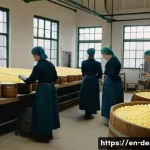
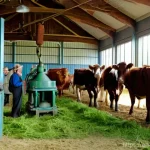
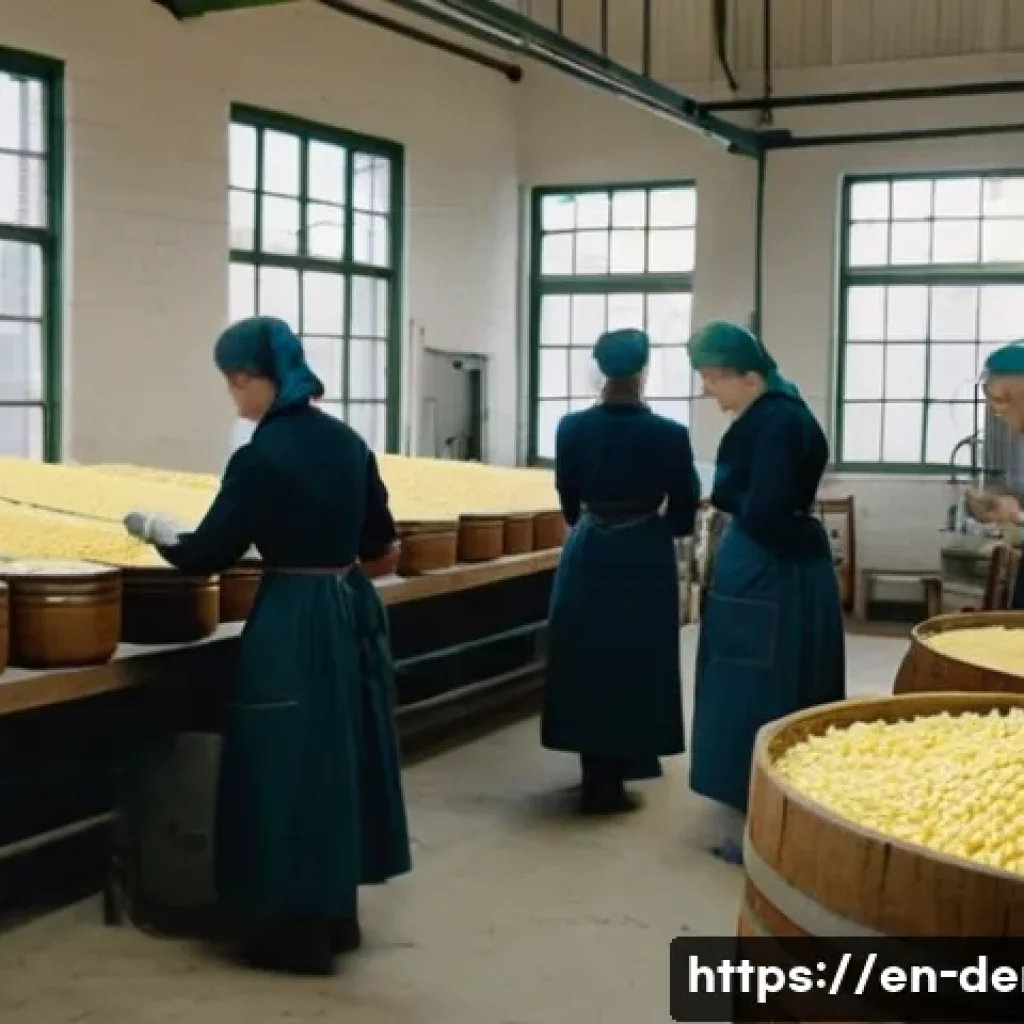
Ah, the dairy industry! When I think of Denmark’s industrial story, the image of butter churning and milk processing factories immediately springs to mind. It’s fascinating how a staple like milk could become such a powerful economic force. Farmers realized that by pooling their resources and adopting new technologies, they could produce high-quality butter and cheese that commanded premium prices in international markets, especially in Britain. This wasn’t just about making more; it was about making it better, faster, and more consistently. The introduction of centrifuges for cream separation, for instance, was a game-changer. I remember reading about the sheer efficiency it brought, transforming a laborious farm task into an industrial process. This shift created a ripple effect, demanding better livestock, improved feeding practices, and eventually, the rise of specialized agricultural machinery manufacturers. It truly highlights how one industry’s innovation can spur an entire ecosystem of related businesses. I can almost smell the fresh butter just thinking about it!
From Farm to Fork: The Bacon Boom
And then there’s the bacon! Honestly, who doesn’t love a good rasher of bacon? Denmark’s journey to becoming a global bacon powerhouse is another incredible chapter in its industrialization. Just like with dairy, the cooperative movement played a crucial role here. Farmers understood that by standardizing breeds, feeding, and processing, they could produce consistent, high-quality bacon that was highly sought after, again, particularly in the British market. I’ve always appreciated how they focused on quality control and efficiency from the farm gate to the processing plant. It wasn’t just about raising pigs; it was about creating a meticulously managed production line. This emphasis on consistent quality not only secured lucrative export contracts but also stimulated the growth of industries supplying feed, veterinary services, and advanced slaughterhouse equipment. It’s a perfect example of how strategic foresight and collective effort can transform a basic commodity into a thriving industrial export. It truly impressed upon me the power of focused specialization.
Cooperative Power: A Nation Built on Shared Success
If there’s one thing that truly stands out in Denmark’s industrial narrative, it’s the sheer power of the cooperative movement. I’ve seen many examples of industrial growth fueled by large corporations or government initiatives, but Denmark’s path feels profoundly different, almost grassroots. It wasn’t about a few wealthy industrialists dictating terms; it was about ordinary farmers coming together, pooling their resources, and sharing both the risks and the rewards. This collective spirit, born out of necessity and a deep sense of community, truly laid the foundation for their economic success. It transformed individual smallholders into a formidable collective force capable of competing on an international stage. I’ve always believed that when people truly collaborate, incredible things can happen, and Denmark’s cooperatives are a shining example of that. This model fostered a unique sense of ownership and responsibility among its members, leading to continuous improvement and innovation across the agricultural sector. It’s a fascinating case study in how social capital can be leveraged for economic prosperity, and it’s a lesson I think many modern businesses could learn from.
The Strength in Numbers
Imagine being a small farmer, trying to compete against massive agricultural imports from across the globe. It must have felt daunting. But instead of giving up, Danish farmers banded together. They formed dairies, slaughterhouses, and purchasing societies, all owned and managed by the farmers themselves. This wasn’t just a theoretical idea; it was a practical solution that empowered individuals. I’ve always found the idea of ‘strength in numbers’ incredibly compelling, and the Danish cooperatives embodied this perfectly. By uniting, they could invest in expensive new machinery that no single farmer could afford, negotiate better prices for their produce, and collectively market their goods more effectively. This collective bargaining power was transformative. It’s like everyone chipping in to buy a shared resource that benefits all, and the efficiency gains were enormous. This structure also ensured that the profits circulated back to the communities, further stimulating local economies, which, from my perspective, is a much more sustainable and equitable way to grow.
Democratizing Prosperity
What truly impresses me about the cooperative model is its inherent democratic nature. Each member, regardless of the size of their farm, usually had one vote. This meant that decisions were made collectively, fostering a sense of shared responsibility and mutual trust. It wasn’t just about economic efficiency; it was about social equity. I’ve often thought about how this approach contrasts with more traditional industrial models where power and wealth tend to concentrate at the top. In Denmark, the cooperative movement effectively democratized prosperity, ensuring that the benefits of industrialization were more broadly distributed among the rural population. This created a stable and engaged workforce, fostering a cycle of continuous improvement and loyalty. It felt like a conscious effort to build a society where everyone had a stake in success, which, in my experience, leads to a much more resilient and harmonious community. It’s a remarkable blueprint for inclusive economic growth that still resonates today.
Strategic Adaptation: Turning Limitations into Strengths
One of the most compelling aspects of Denmark’s industrial journey is how brilliantly they adapted to their natural limitations. When you look at many industrial giants, they often boast abundant coal, iron, or other raw materials. Denmark, however, lacked these in significant quantities. This could have been a crippling disadvantage, but instead, they turned it into an opportunity for strategic thinking and innovation. I’ve always been a big believer in playing to your strengths and finding creative solutions when faced with obstacles, and Denmark’s approach is a masterclass in this. They didn’t lament what they didn’t have; they focused on maximizing what they did possess – fertile land and an ideal geographical location for trade. This proactive adaptation meant they were constantly looking for efficiencies, embracing new technologies, and refining their processes, rather than relying on sheer resource extraction. It felt like a nation thinking several steps ahead, constantly re-evaluating and optimizing. This foresight truly set them apart and allowed them to build a robust industrial economy on seemingly less. It’s a powerful lesson in resourcefulness that I often reflect on in my own endeavors.
Importing Ingenuity
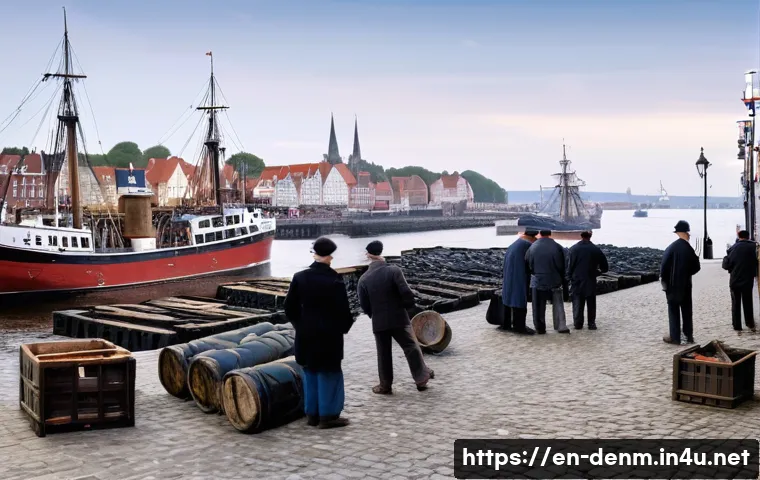
Since Denmark didn’t have its own abundant coal or iron, they simply imported them! And they did so incredibly efficiently. Their extensive coastline and numerous ports made it easy and cost-effective to bring in necessary raw materials from countries like Great Britain and Germany. This meant they could focus their domestic efforts on processing and adding value, rather than being bogged down by primary resource extraction. I’ve always been fascinated by how they leveraged global trade networks to their advantage, turning a potential weakness into a strategic asset. This approach also stimulated the growth of their shipping and port infrastructure, creating another layer of economic activity. It wasn’t just about importing goods; it was about importing the *potential* for industry. They imported coal to power their dairies and factories, and iron to build their agricultural machinery, effectively becoming a processing hub. This shrewd use of international trade truly underscored their pragmatic and adaptive industrial strategy.
The Coastal Advantage
The sheer length of Denmark’s coastline, dotted with numerous natural harbors, was an unsung hero in its industrial tale. While other nations might have relied on internal railway networks to transport raw materials, Denmark could access global markets directly and efficiently via sea. This natural advantage drastically reduced transport costs for both imports (like coal and machinery) and exports (like butter and bacon). I’ve always found geography to be a powerful, yet sometimes overlooked, factor in economic development, and Denmark’s coastline is a perfect example. It allowed them to be incredibly nimble in trade, responding quickly to market demands and securing competitive prices. The development of port cities became crucial, serving as gateways for the flow of goods and ideas. This easy access to the sea meant that Denmark was always connected to the wider world, constantly absorbing new technologies and market trends, which from my perspective, is vital for sustained growth in any era. It truly illustrates how inherent geographical features can shape a nation’s destiny.
Global Connections: Denmark’s Trade Lifeline
In today’s interconnected world, global trade is a given, but imagining it in the late 19th and early 20th centuries, especially for a relatively small nation, truly highlights Denmark’s forward-thinking approach. Their industrialization wasn’t insular; it was inherently global. They didn’t just produce for themselves; they produced with the world in mind. This outward-looking perspective was absolutely crucial, especially given their chosen path of agricultural industrialization. I’ve always been impressed by how quickly they identified and then consistently served key international markets, particularly the insatiable demand for quality food products in the burgeoning cities of Great Britain. This wasn’t just about shipping goods; it was about building intricate supply chains and establishing a reputation for reliability and quality. Their ability to integrate seamlessly into the global economy of the time was a testament to their strategic vision and business acumen. It truly felt like they understood the power of international commerce long before it became a universal economic mantra, paving the way for sustained prosperity.
Reaching Distant Shores
Denmark’s industrial products, primarily butter and bacon, became staples in British homes. This wasn’t an accident; it was the result of deliberate strategy, consistent quality, and efficient logistics. Danish merchants and cooperatives worked tirelessly to establish reliable shipping routes and distribution networks, ensuring their perishable goods arrived fresh and in prime condition. I often think about the logistical challenges they must have overcome – imagine ensuring consistent temperature control and speedy delivery across the North Sea over a century ago! This dedication to overcoming hurdles and meeting international standards is what truly solidified their reputation. The demand from Great Britain, with its rapidly urbanizing population, provided a stable and lucrative market that fueled continuous expansion and innovation back home. It’s a fantastic illustration of how identifying and serving a strong export market can become the primary driver for a nation’s industrial development, creating a virtuous cycle of production and demand. It shows that even a smaller nation can make a huge impact on the global stage by focusing on niche excellence.
Butter and Bacon Diplomacy
While perhaps not “diplomacy” in the traditional political sense, the consistent supply of high-quality Danish butter and bacon fostered strong economic ties and a reliable trading relationship, especially with Great Britain. This economic interdependence created a form of soft power and mutual benefit. I’ve always been fascinated by how trade can build bridges between nations, often more effectively than purely political negotiations. The consistent quality and reliability of Danish agricultural products meant that they were not just commodities; they became a trusted brand. This reputation for excellence was a significant asset, ensuring continued demand and stable prices, even during times of economic fluctuation. It highlights how a nation’s specialized output can become a cornerstone of its international identity and economic security. In a way, those tubs of butter and sides of bacon were Denmark’s most effective ambassadors, quietly securing its place in the global economy and illustrating the power of a strong, reputable product.
| Period | Key Developments | Economic Impact |
|---|---|---|
| Late 1870s – 1900s | Shift from grain to animal husbandry (dairy, bacon). Formation of agricultural cooperatives. Adoption of new technologies (centrifuges). Growth of export markets (especially UK). | Increased agricultural productivity and profitability. Diversification of income for farmers. Strong export earnings. Foundation for rural industrial growth. |
| Early 1900s – 1920s | Expansion of food processing industries. Development of agricultural machinery manufacturing. Growth of shipping and port infrastructure. Further consolidation of cooperative movement. | Emergence of new industrial sectors. Urbanization and growth of market towns. Enhanced global trade presence. Improved living standards for many Danes. |
| Mid-20th Century | Modernization of agricultural practices. Continued focus on quality and efficiency. Transition towards broader industrial diversification beyond just food products. | Sustained economic stability and growth. Development of strong welfare state model. Foundation for modern Danish industrial strengths (e.g., pharmaceuticals, renewable energy). |
Beyond the Farm: Emerging Industries and Urban Growth
While Denmark’s industrial journey began firmly rooted in the agricultural sector, it certainly didn’t end there. I’ve often observed how a thriving primary industry can generate the capital, skills, and infrastructure needed to support the growth of other, more diverse sectors. That’s exactly what happened in Denmark. The success of the dairy and bacon industries created a powerful ripple effect, stimulating demand for everything from machinery to transportation and even financial services. This economic momentum gradually propelled the nation beyond purely farm-based industries into a broader manufacturing landscape. It felt like a natural evolution, a testament to the dynamic nature of economic development where initial successes breed new opportunities. This wasn’t a sudden shift, but rather a gradual expansion, built on the foundations of efficiency and innovation established within agriculture. Seeing how one sector can organically give rise to so many others is always incredibly fascinating, demonstrating a robust and resilient economic ecosystem at play.
New Horizons in Manufacturing
The need for better butter churns, advanced centrifuges, and efficient slaughterhouse equipment wasn’t just met by imports; it spurred a local manufacturing industry. Danish engineers and entrepreneurs began designing and producing agricultural machinery that was specifically tailored to their needs. This local expertise then diversified into other areas, laying the groundwork for broader industrial production. I remember reading about companies that started by making farm equipment and then branched out into other forms of light manufacturing. This kind of organic growth, driven by practical necessity, is incredibly effective. Over time, industries like shipbuilding, cement production, and even early electrical engineering began to emerge, often leveraging the same principles of precision and efficiency that had been honed in the agricultural sector. It’s a fantastic example of how specialized knowledge and technological advancements, initially developed for one purpose, can find applications across a much wider industrial spectrum, truly creating new horizons for a nation’s economy.
The Rise of the Cities
With industrialization came urbanization. As food processing factories, machinery plants, and expanded port facilities grew, they naturally drew people from rural areas seeking employment. Cities like Copenhagen, Aarhus, and Odense began to swell, becoming centers of both industry and culture. I’ve always found the transformation of cities during industrial eras to be quite dramatic, and Denmark was no exception. This wasn’t just about more people living in one place; it was about a fundamental shift in lifestyle, work, and social structures. The growth of urban centers also created new demands for housing, infrastructure, and services, further stimulating economic activity. It also fostered a more diverse and skilled workforce, essential for the next stages of industrial development. Seeing these cities transform from smaller market towns into bustling industrial hubs really underscored the profound societal impact of Denmark’s unique industrial revolution. It’s a reminder that economic change is never just about numbers; it’s about people and their evolving lives.
A Modern Legacy: Lessons from Denmark’s Path
When I look at Denmark today – a nation consistently ranked among the happiest and most prosperous in the world – I can’t help but connect it back to the foundational principles forged during its distinct industrial revolution. The legacy of those years isn’t just about economic growth; it’s about the values and strategic thinking that became ingrained in the national character. It feels like the very DNA of modern Denmark, from its commitment to cooperation to its ingenuity in adapting to challenges, can be traced directly back to that period. This unique historical journey offers such rich insights for any nation or business striving for sustainable growth and societal well-being in the 21st century. I’ve always believed that understanding history isn’t just about looking backward; it’s about finding blueprints for the future. And Denmark’s story is, without a doubt, a powerful blueprint for resilience, innovation, and collective success. It teaches us that true strength comes not just from what you have, but from how smartly and cooperatively you use it.
Enduring Principles
The principles that guided Denmark’s industrialization – cooperation, efficiency, quality focus, and strategic adaptation – are not just historical footnotes; they are enduring tenets that continue to shape the nation’s success today. The cooperative spirit, for example, is still evident in many sectors, from renewable energy to finance. The relentless pursuit of efficiency and quality, honed in those early dairies and slaughterhouses, is now a hallmark of Danish design, engineering, and high-tech industries. I’ve personally seen how a commitment to excellence, born out of necessity, can become a deeply embedded cultural trait. This ability to continuously innovate and adapt, rather than resting on past laurels, is what truly defines their ongoing economic vitality. It’s a powerful reminder that strong foundational principles, once established, can create a lasting legacy of success that transcends generations and specific industries, proving that values matter just as much as resources.
Future-Proofing Economies
What Denmark’s industrial revolution ultimately demonstrates is how to future-proof an economy, even when faced with significant disadvantages. By focusing on value-added products, investing in human capital through education, and fostering a spirit of collective ownership and innovation, they built an incredibly resilient and adaptive economic model. In an era where global economies are constantly shifting, and traditional resources are becoming less defining, Denmark’s historical trajectory offers invaluable lessons. It shows that strategic investment in niche markets, a commitment to high quality, and a deeply embedded culture of collaboration can lead to sustained prosperity. I’ve often thought about how truly inspiring it is to see a nation that didn’t just survive an economic transformation but thrived by writing its own rulebook, proving that resourcefulness and smart thinking can truly overcome almost any limitation and create a lasting, successful future. It’s a compelling narrative for anyone looking to understand how to build a robust and humane economy for tomorrow.
Wrapping Things Up
And there you have it, folks! Denmark’s industrial revolution isn’t just a historical footnote; it’s a vibrant, living testament to what ingenuity, cooperation, and strategic adaptation can achieve. I honestly found this deep dive incredibly inspiring. It challenges the conventional wisdom that industrial power must be forged in coal and iron. Instead, Denmark showed us that true wealth can spring from the soil, meticulously cultivated and expertly processed. It’s a story of a nation that didn’t just play the hand it was dealt but skillfully reshaped the game itself. This journey truly makes you rethink what’s possible when a collective vision meets relentless innovation, and that, for me, is the most powerful takeaway of all.
Useful Tidbits to Keep in Mind
1. Harness Your Unique Strengths: Denmark didn’t have vast mineral wealth, but it had fertile land. They didn’t lament what they lacked; they maximized what they possessed. This teaches us the importance of identifying and doubling down on our inherent advantages, whether in business or personal life. It’s about playing to your strengths, not constantly trying to shore up weaknesses.
2. The Power of Cooperation: The cooperative movement was the backbone of Denmark’s success. Farmers achieved together what they could never have done individually. This principle of collective effort, shared risk, and mutual benefit is incredibly potent, demonstrating that community-driven initiatives can often outpace purely individualistic endeavors.
3. Quality Over Quantity Always Wins: Danish butter and bacon weren’t just products; they were brands synonymous with quality. This focus on high standards allowed them to command premium prices in competitive international markets. It’s a timeless lesson: investing in quality builds reputation, loyalty, and sustainable profits.
4. Adaptation is the Ultimate Superpower: When grain imports threatened their traditional farming, Danish farmers didn’t give up. They pivoted, transformed, and industrialized. This ability to strategically adapt to changing circumstances is crucial for survival and growth in any dynamic environment. It’s not about resisting change, but embracing and shaping it.
5. Leverage Global Connections: Denmark’s success was deeply intertwined with international trade, especially with Great Britain. They understood the power of export markets and built robust supply chains. This highlights the importance of looking beyond local horizons and actively seeking opportunities to connect and compete on a global scale.
Key Takeaways
Denmark’s industrial revolution defied conventional norms, transforming its agricultural sector into an economic powerhouse through a strategic pivot to high-value animal products. The cooperative movement was pivotal, empowering farmers to pool resources, adopt new technologies, and ensure consistent quality for global export. This journey was also a masterclass in strategic adaptation, as the nation leveraged its coastal geography and imported necessary raw materials to overcome natural limitations. Their outward-looking approach, focused on serving key international markets, solidified Denmark’s reputation for quality and reliability, laying the foundation for its enduring prosperity and influencing its modern economic character.
Frequently Asked Questions (FAQ) 📖
Q: How exactly did Denmark’s agricultural sector, particularly those dairy and bacon cooperatives, become the driving force behind its industrialization, instead of being left behind?
A: This is such a brilliant question, and honestly, it’s what makes Denmark’s story so captivating! From what I’ve observed, many people naturally assume that industrialization means abandoning farming for factories.
But Denmark really flipped that script. Instead of replacing agriculture, they industrialized it. When cheap grain from places like the US and Russia flooded European markets in the late 1800s, Danish farmers, who used to be big grain exporters, had to adapt or face ruin.
They pivoted smartly to animal products – butter, bacon, and eggs – which had a strong demand, especially in industrializing Great Britain. Here’s where the magic of the cooperative movement really shines.
Farmers realized that to compete and ensure high quality for export, they couldn’t just work individually. So, they pooled their resources, knowledge, and even their livestock to create cooperative dairies and slaughterhouses.
The very first cooperative dairy, established in Hjedding in 1882, is a prime example of this collective spirit in action! This allowed them to afford expensive new technologies like steam-powered cream separators and modern processing equipment, which no single farmer could manage alone.
They could rationalize operations, hire skilled professionals, and consistently produce high-quality, standardized products like the now-famous Lurpak butter and Danish bacon.
This wasn’t just about farming; it was about creating an entire industry around agriculture, fostering demand for machinery, processing plants, and a sophisticated infrastructure that essentially became Denmark’s industrial engine.
It’s a real testament to how collective action and smart specialization can redefine a nation’s economic future!
Q: You mentioned Denmark overcoming a lack of natural resources and importing coal cheaply. What specific innovations or strategies allowed them to do this so effectively during their industrial push?
A: Ah, this is where Denmark’s strategic genius truly comes into play! It’s true, Denmark isn’t exactly brimming with traditional industrial raw materials like coal or iron ore.
Yet, they became a prosperous nation. How? Well, I’ve always found their approach to be incredibly insightful.
Firstly, their geography, particularly that extensive coastline, was a massive advantage. Even before the Industrial Revolution, sea transport was far cheaper than land transport.
This meant they could import necessary resources like coal much more cost-effectively than many landlocked or less coastal European nations. It made industrial energy accessible, fueling the new cooperative dairies and factories across the country.
Beyond geography, it was a combination of “human capital” and an open economy mindset. Denmark invested heavily in education, with compulsory education introduced in 1814 and agricultural schools following in the 1860s.
This created a skilled workforce and an environment ripe for innovation in agricultural science and engineering. They focused on refining and processing goods, adding value through skilled labor rather than just exporting raw materials.
Furthermore, Denmark embraced an open-market policy, even refusing to impose import tariffs when cheap foreign grain flooded Europe. This strategic decision forced farmers to innovate and specialize in high-value products, fostering an export-oriented economy from the get-go.
It wasn’t about having the resources; it was about intelligently acquiring and transforming them, proving that ingenuity can indeed overcome geographical limitations.
It really makes you think about how we define “resources” today!
Q: How did Denmark’s “surprisingly tranquil” and agriculture-led industrial path differ fundamentally from the often more tumultuous industrial revolutions seen in places like Victorian England or the booming US?
A: What a fantastic observation! The term “tranquil” might seem unusual when we talk about industrial revolutions, but for Denmark, it really rings true.
When I think of industrialization in places like Victorian England or the rapidly expanding US, images of dark, satanic mills, crowded urban slums, and significant social upheaval often come to mind.
The shift was often abrupt and harsh, pulling people from rural life into factory towns under challenging conditions. Denmark’s path was strikingly different.
Because industrialization grew out of agriculture and the cooperative movement, it fostered a much more organic and equitable development. Instead of a massive exodus from rural areas to burgeoning industrial cities, prosperity largely stayed within the agricultural communities.
The cooperative model meant that farmers collectively owned the processing facilities and shared in the profits, leading to a more even distribution of wealth among the population.
This prevented the extreme disparities and social unrest often associated with rapid industrialization elsewhere. Their focus wasn’t on heavy industry but on producing high-quality, processed food products for export, which required skilled labor but didn’t necessarily create the same kind of stark industrial landscapes or intense urban migration.
It was a gradual transformation, valuing community, quality, and collective well-being alongside economic progress. From my perspective, it’s a heartwarming alternative narrative, showing that economic progress doesn’t always have to come at the cost of social stability or a more balanced way of life.
It’s a testament to a truly enlightened approach that prioritized the well-being of its citizens even as it modernized.