Ever found yourself dreaming of a Nordic escape, perhaps to a land where happiness seems to be the default setting and innovation flourishes in every corner?
I know I have, many, many times! It’s truly fascinating how Denmark and Finland, often lauded as beacons of well-being and progress, manage to consistently capture the world’s attention.
But beyond the headlines, have you ever stopped to wonder what truly sets these two incredible nations apart, or what hidden gems each offers that the other might not?
I recently delved deep into their distinct vibes, from their approach to work-life balance and sustainability to their thriving tech scenes, and the subtle cultural nuances that make them unique.
Trust me, it’s not just about the saunas and cycling lanes; there’s a whole world of difference and similarity worth exploring. Let’s unearth the fascinating truths together and find out exactly what makes Denmark and Finland tick, and why they continue to inspire us all.
Oh, hey there, fellow explorers and happiness enthusiasts! I’ve just been on a deep dive into two of the world’s most fascinating nations, Denmark and Finland, and let me tell you, it’s been an absolute blast.
You know how sometimes you hear about these Nordic countries and think they’re all pretty much the same? Well, I used to, to a degree! But after truly digging in, I’ve discovered a tapestry of unique characteristics that make each one incredibly special.
From their innovative spirit to their distinct approaches to living a fulfilling life, these countries, while sharing some core Nordic values, truly shine in their own ways.
I’m so excited to share what I’ve learned and hopefully, ignite your own curiosity about these amazing places!
The Art of Living Well: Danish Hygge vs. Finnish Sisu
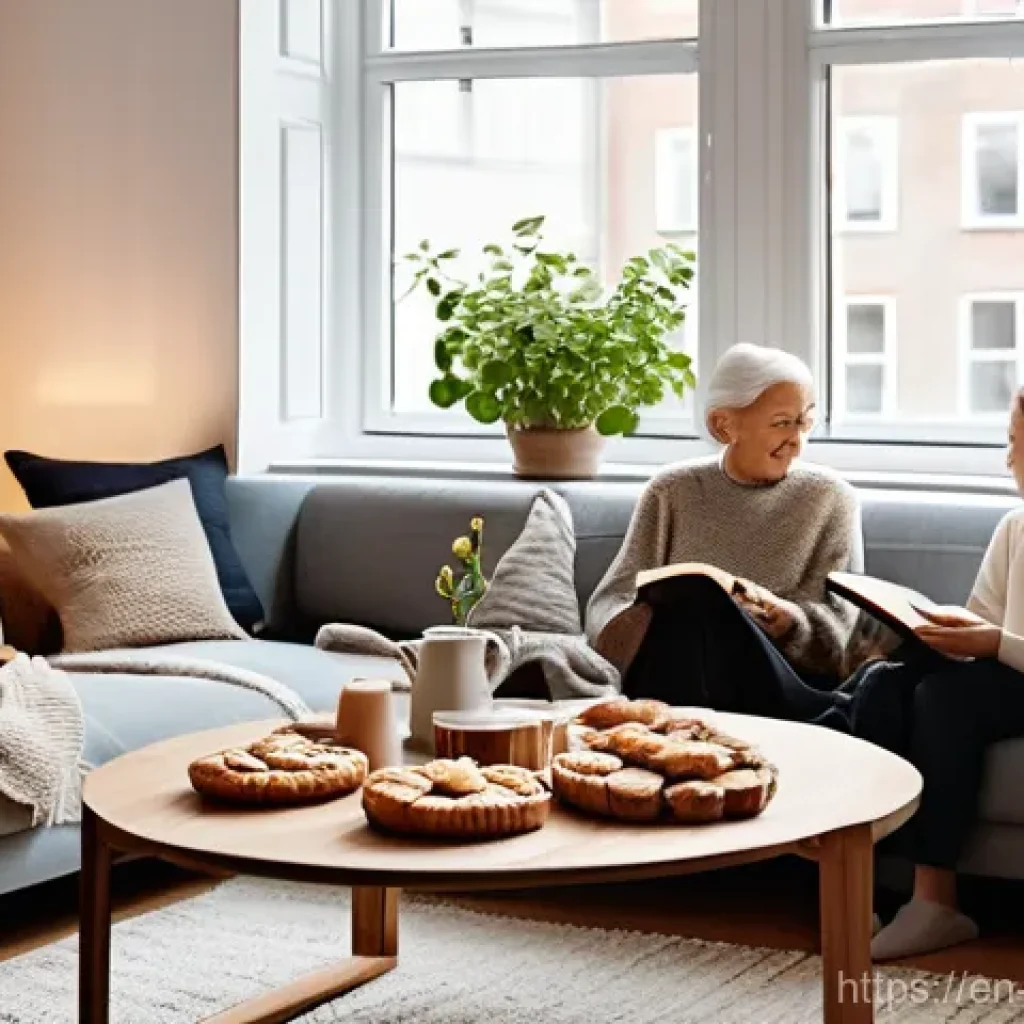
When you think about Nordic happiness, “hygge” usually pops into mind almost instantly, doesn’t it? Denmark truly embodies this concept of cozy conviviality, creating a culture where warmth, comfort, and togetherness are practically sacred.
I’ve heard countless stories from friends who’ve visited, and even those living there, about how evenings are spent by candlelight, sharing meals, and simply being present with loved ones, often without the need for grand gestures.
It’s about finding joy in the simple things, like a good cup of coffee on a rainy day or a shared laugh over dinner, and that focus on communal well-being really contributes to their consistently high happiness rankings.
It’s not just a trend; it’s a deeply ingrained lifestyle that permeates daily life, from home decor to social interactions. This emphasis on creating a pleasant, intimate atmosphere encourages a sense of belonging and psychological comfort that, for many, is the very essence of a good life.
Embracing Comfort and Connection in Denmark
In Denmark, this idea of hygge isn’t just about candles and blankets; it’s about a societal approach to life that values relaxation and social bonds. From what I’ve gathered, Danes are incredibly intentional about carving out time for leisure and personal connections, often prioritizing these over endless work hours.
It means leaving the office around 4 PM to pick up children or prepare dinner, and taking full advantage of their five weeks of paid annual vacation. This focus on personal time and familial connection helps foster a sense of security and belonging.
I remember chatting with a Danish friend who mentioned how natural it felt to just “be” with people, without the pressure of constant activity, and that really struck me.
It made me think about how much we often overschedule ourselves, and how much we could learn from their slower, more mindful pace. They’ve genuinely mastered the art of “present when present,” meaning focused work during office hours and complete disconnection afterward.
Finding Strength and Resilience in Finland
Finland, on the other hand, presents a different, yet equally profound, approach to well-being: “sisu.” This isn’t about coziness; it’s about extraordinary determination, courage, and perseverance in the face of adversity.
It’s a kind of gritty inner strength that you really feel when you immerse yourself in Finnish culture. I mean, think about it: long, dark winters and a historically challenging environment have forged a people known for their resilience.
While Danes cherish hygge, Finns quietly embody sisu, often finding happiness in their deep connection to nature, self-sufficiency, and a profound sense of trust in their society.
They don’t necessarily outwardly express joy in the same way, but their satisfaction with life comes from a robust social safety net, equal opportunities, and a strong sense of community support that allows them the freedom to shape their lives.
For me, it highlights how happiness isn’t a one-size-fits-all concept, but rather a reflection of core values and societal structures that empower individuals.
The Daily Rhythm: Work, Life, and Everything In Between
When we talk about the Nordics, work-life balance is always a hot topic, right? And for good reason! Both Denmark and Finland are trailblazers in this regard, but they each have their own unique flavor.
Denmark, with its renowned “flexicurity” system, offers a fantastic blend of flexibility in the workplace and strong social security. I’ve always been amazed at how Danes manage to be incredibly productive without sacrificing their personal lives.
It’s not uncommon to see offices emptying out by 4 or 5 PM, with people heading off to spend time with family or engage in hobbies. It’s a clear signal that they trust their employees to get the job done efficiently within reasonable hours, rather than equating long hours with dedication.
This emphasis on maintaining a robust life outside of work helps reduce stress and foster a healthier, more engaged workforce.
Danish Flexibility and Productivity
I’ve personally observed that in Denmark, the culture actively discourages staying late at the office. This isn’t just a suggestion; it’s deeply embedded in their professional ethos.
Employees typically work a 37-hour week and are encouraged to take all five weeks of their legally entitled paid vacation. What really stands out to me is how this doesn’t diminish productivity.
Quite the opposite, in fact! Danes are some of Europe’s most efficient workers, ranking high in productivity rates, even compared to countries with longer working hours.
This is largely due to a focus on efficient work practices, streamlined processes, and a trust-based management style. They’ve perfected the art of “work smarter, not harder,” and it truly shines through in their vibrant, balanced society.
Imagine having the freedom to truly switch off after work, knowing your job is secure and your personal time is respected – it’s something many of us can only dream of!
Finnish Flexibility and Well-being
Finland takes a slightly different, yet equally progressive, approach, often leading global rankings in work-life balance. They’ve been pioneers in flexible work policies, allowing employees significant autonomy over their schedules.
I’ve heard stories of Finnish workplaces where trust is paramount, enabling individuals to adjust their hours to better suit their personal needs, which is something I deeply admire.
This focus on individual well-being and flexible arrangements isn’t just good for the employees; it’s seen as a direct contributor to a more engaged and satisfied workforce, ultimately boosting productivity.
It’s truly inspiring to see how deeply ingrained the concept of supporting employee well-being is in their national identity, proving that a harmonious existence between professional and personal life is not just possible, but highly beneficial.
Innovation and the Tech Frontier: Crafting the Future
When I think about innovation, my mind immediately jumps to these Nordic powerhouses, and honestly, it’s thrilling to see what Denmark and Finland are doing in the tech space!
Both nations are carving out significant niches, albeit with slightly different focuses. Denmark, with its vibrant startup ecosystem, has really impressed me with its digital competitiveness and its ability to nurture emerging technologies.
It’s like a buzzing hive of creativity, particularly in areas where design and functionality meet, which makes perfect sense given their global reputation for impeccable design.
Denmark’s Digital Prowess and Startup Scene
I’ve been tracking Denmark’s tech scene, and it’s truly exciting. The country ranks incredibly high in digital competitiveness, hot on Finland’s heels within the EU.
Copenhagen, in particular, has emerged as a thriving hub for startups, with significant activity in fintech, health tech, education tech, and climate change solutions.
I recently read about companies like Lunar, which is redefining digital banking with AI-driven tools, and Labster, revolutionizing scientific education through VR lab simulations.
What’s more, Denmark boasts one of the highest numbers of rising unicorns per capita in Europe, surpassing even the UK and Finland in unicorn density!
It tells me there’s a serious entrepreneurial spirit here, backed by strong research systems and government investment. Their focus on areas like audio technology, robotics, and e-government solutions really highlights their strategic approach to innovation.
It’s clear they’re not just creating technology; they’re designing solutions that genuinely improve lives.
Finland’s Deep Tech and Gaming Edge
Finland, on the other hand, has carved out a formidable reputation in deep tech and, famously, in the gaming industry. I mean, who hasn’t heard of Angry Birds or Clash of Clans?
That’s Finnish innovation right there! Beyond gaming, Finland excels in areas that leverage cutting-edge research, such as climate tech, robotics, automation, semiconductors, and quantum technologies.
Their technical universities and research institutions are churning out talent that fuels these complex fields, attracting significant investment. Just recently, a €200 million fund was launched specifically to back early-stage industrial tech startups across Europe, with a strong focus on the Nordics, including Finland.
It really shows how seriously they take pushing the boundaries of what’s possible. While Denmark might be a masterclass in design and user experience, Finland feels like the quiet giant delving into the foundational technologies that will shape our future.
Sustainability: A Shared Vision with Distinct Paths
If there’s one thing that unites both Denmark and Finland, it’s their unwavering commitment to sustainability. This isn’t just lip service; it’s woven into the fabric of their societies, influencing policy, industry, and daily life.
However, how they approach this shared goal often reflects their unique geographical and cultural landscapes. Denmark has really made a name for itself as a global leader in green energy and sustainable urban planning, something I’ve admired for years.
Denmark’s Green Energy Revolution
I’ve always been so impressed by Denmark’s journey towards a greener future. They’ve truly built a world-class green energy system over decades, making their everyday lives cleaner and more energy-efficient.
Their ambition is truly inspiring; Copenhagen, for example, is aiming to be the world’s first carbon-neutral capital in the next few years. It’s not just about grand targets; it’s about tangible actions like significantly reducing greenhouse gas emissions by 70% below 1990 levels by 2030 and ending oil and gas exploration in the North Sea by 2050.
Companies like Maersk Line are even pioneering carbon-neutral cargo vessels! I even heard about an amazing new renewable energy power station in Copenhagen with a ski slope on top – talk about innovative urban design!
It’s a holistic approach that includes everything from renewable energy sources like wind and solar to water management, waste recycling, and their iconic cycling culture.
They show that economic growth and environmental stewardship absolutely can go hand-in-hand.
Finland’s Leadership in Sustainable Development
Finland consistently leads global rankings in sustainable development, often topping the Global Sustainable Development Report (GSDR). Their impressive commitment to the UN’s 17 Sustainable Development Goals is something I think every country could learn from.
What’s truly fascinating is how they’re achieving remarkable progress in clean energy, despite their northern location. They’ve shortened permitting processes for green projects and released a national hydrogen roadmap, aiming to produce 10% of the EU’s green hydrogen by 2030.
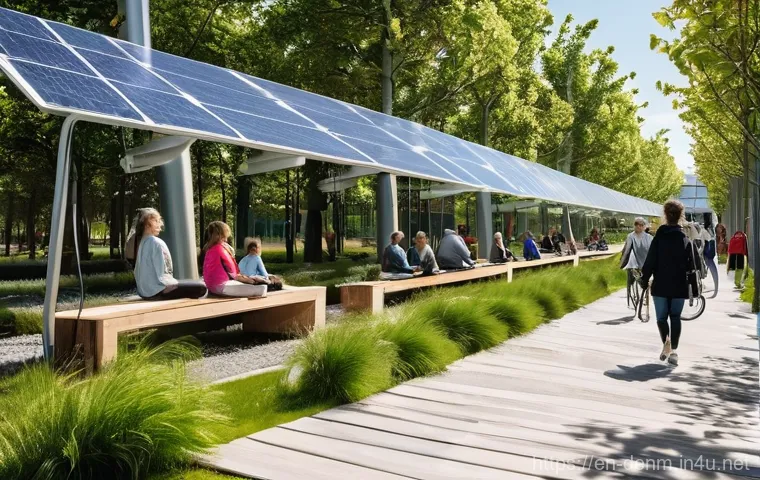
I also learned that Finland is actively investing in solar energy, leveraging the surprising fact that solar panels actually work better in colder temperatures!
Their industrial sector is deeply committed, with vast investments earmarked for wind, solar, and hydrogen projects, and a significant portion of their highly educated workforce is now employed in “green jobs.” It’s a testament to their foresight and a proactive approach to integrating environmental sustainability into their economy and education system.
The Fabric of Society: Welfare and Social Trust
One of the most compelling aspects of both Denmark and Finland, and indeed the entire Nordic region, is their robust social welfare systems. It’s truly amazing to see how these societies are built on a foundation of trust, equity, and comprehensive public services.
While the core principles are shared, there are subtle differences in their implementation that reflect their distinct historical and societal paths.
Denmark’s Universal Welfare Model
In Denmark, the welfare state is a source of immense national pride, characterized by an extensive social security system and a high degree of income equality.
What I find particularly impressive is the universal access to education and healthcare, regardless of someone’s socioeconomic background. It’s a model built on the principle that all citizens have a right to fundamental welfare benefits and services simply by being citizens.
This includes everything from paid parental leave and subsidized daycare to student grants and comprehensive healthcare. I remember a friend who lived in Copenhagen telling me how much peace of mind this universal safety net provided, knowing that essential needs were covered.
It’s not about being a “class-less” society, but rather about ensuring a baseline of well-being for everyone, which in turn fosters a high level of social trust and cohesion.
The fact that they prioritize collective well-being contributes significantly to their high happiness scores.
Finland’s Comprehensive Social Security
Finland also boasts an incredibly comprehensive social security system, often recognized for its ability to guarantee decent living conditions for all Finns.
Like Denmark, it’s rooted in the Nordic belief that the state can benevolently intervene to ensure its citizens’ well-being. Finland’s system offers a wide array of social programs, broadly divided into income security and social/health services.
Income security covers areas like national pension plans, sickness, and unemployment insurance, while welfare programs provide aid to families with children, maternity grants, and support for the disabled.
One notable difference I’ve seen is Finland’s tuition-free university system, which even extends to many international students, making higher education incredibly accessible.
This commitment to equal opportunity, particularly in education, is a cornerstone of their society and a key factor in their sustained happiness rankings.
It cultivates a sense of fairness and a belief that everyone has the chance to succeed, which is incredibly empowering.
| Feature | Denmark | Finland |
|---|---|---|
| Happiness Ranking (2025) | 2nd | 1st (for 8th consecutive year) |
| Dominant Cultural Concept | Hygge (coziness, convivial living) | Sisu (grit, resilience, inner strength) |
| Work-Life Balance Approach | Flexicurity, 37-hour work week, 5 weeks paid vacation | Pioneer in flexible work policies, trust-based management |
| Key Tech Strengths | Fintech, Health Tech, EdTech, Climate Tech, Robotics, eGovernment, high unicorn density | Deep Tech, Gaming Industry, Climate Tech, Quantum Technologies |
| Sustainability Focus | Green energy, circular economy, carbon-neutral city goals, sustainable agriculture | Global leader in Sustainable Development Goals (SDGs), clean energy innovation, hydrogen roadmap |
| Higher Education Cost | Fees for non-EU/EEA students | Often tuition-free, even for many international students |
Connecting with Nature: Outdoor Life and Climate Nuances
It’s no secret that a deep connection with nature is a cornerstone of Nordic life, but Denmark and Finland offer distinctly different experiences when it comes to the great outdoors.
Having explored both virtually and through personal accounts, I’ve found that their geography truly shapes how people interact with their environment and, in turn, influences their overall lifestyle.
The subtle variations in climate also play a huge role in the kinds of outdoor activities enjoyed year-round.
Denmark’s Coastal Charms and Cycling Culture
When I picture Denmark, I instantly think of its extensive, sandy coastlines and its incredible cycling culture. The country might be “dinkier” and less topographically dramatic than some of its neighbors, as one traveler put it, but it truly embraces its flat landscape.
You’ll find meticulously maintained cycle lanes everywhere, and many cities, especially Copenhagen, are global leaders in pedal-powered travel. I love the idea of exploring a country largely by bike, feeling the fresh air, and taking in the charming coastal towns and rolling green fields.
While you won’t find towering mountains or Arctic wilderness here, Denmark’s beauty lies in its accessibility and gentle, inviting landscapes. It’s perfect for those who enjoy leisurely outdoor activities, strolls along the beach, and a pervasive sense of calm that comes from being close to the sea.
The mild winters and cool summers, though often rainy, make it a pleasant place for outdoor pursuits for a good portion of the year.
Finland’s Wild Forests and Winter Wonderland
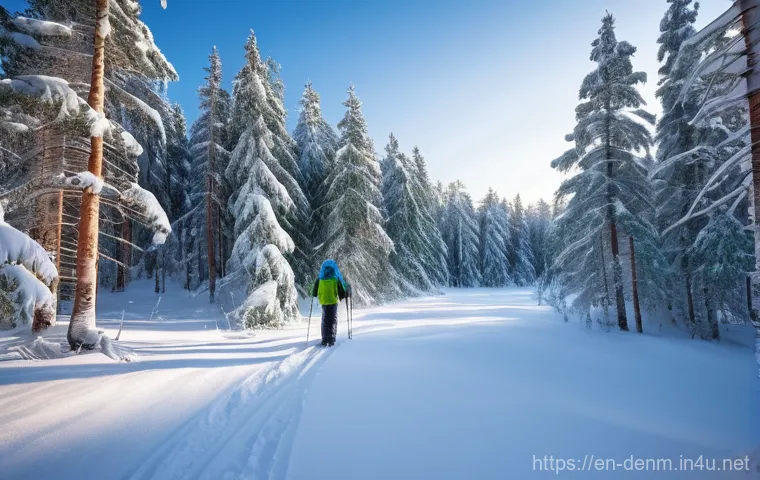
Finland, in stark contrast, is truly a nature lover’s paradise, especially if you crave wilder, more expansive landscapes. With over 188,000 lakes and dense, pristine forests, it’s a country that offers a profound sense of “getting away from it all.” I can practically feel the crisp air and hear the rustling leaves just thinking about it!
If you venture north during winter, the chances of witnessing the breathtaking Northern Lights are incredibly high, something you typically can’t experience in Denmark.
And in summer, the phenomenon of the Midnight Sun truly extends the daylight hours for endless exploration. Finns have a deep-seated connection to their natural world, often spending weekends and holidays at summer cottages, foraging for berries and mushrooms, or engaging in popular activities like hiking, camping, skiing, and snowshoeing.
The colder, more extreme climate, with its long, dark winters, has also ingrained the beloved sauna culture, which is practically sacred for Finns, as a vital part of overall well-being.
It’s a place where the wild beauty truly invigorates the soul.
Culinary Journeys: From New Nordic to Forest Foraging
Food, glorious food! Exploring a new culture through its cuisine is one of my favorite things to do, and Denmark and Finland, while both Nordic, offer distinct gastronomic adventures.
You might expect similar flavors, but I’ve found delightful differences that reflect their individual histories, geographical influences, and modern culinary movements.
It’s a treat for the taste buds, showcasing how tradition meets innovation in delicious ways.
Denmark’s Savory Delights and New Nordic Cuisine
When it comes to Danish cuisine, I immediately think of “smørrebrød,” those exquisite open-faced sandwiches that are practically works of art. My first time seeing them, I was genuinely amazed by the precision and creativity involved!
They’re a staple, often piled high with everything from pickled herring and roast beef to shrimp and fresh vegetables. But beyond these traditional delights, Denmark has truly made its mark on the global culinary scene with its “New Nordic” movement, championed by world-renowned restaurants like Noma.
This movement emphasizes fresh, local, and seasonal ingredients, often foraged or sourced directly from the Danish landscape and surrounding seas. You’ll find a strong presence of fish and seafood, along with a thriving hot dog culture which is a surprising and beloved street food staple.
Danes also have a penchant for rich pastries and, of course, a healthy appreciation for beer. It’s a cuisine that feels both comforting and incredibly sophisticated, a true reflection of their design-conscious culture.
Finland’s Hearty Fare and Coffee Culture
Finnish cuisine, shaped by influences from Sweden and Russia, tends to be a bit heartier, with a strong emphasis on dairy, potatoes, fish, and pork. I’ve noticed a leaning towards more robust, comforting dishes, which makes perfect sense given those long, chilly winters!
Traditional breakfasts are often quite substantial, featuring porridge or ham and cheese sandwiches, giving you a solid start to the day. What really stands out about Finland, though, is its unparalleled coffee culture.
Finns are, astonishingly, the world’s largest coffee drinkers per capita! And it’s not just about the coffee itself; it’s about the ritual, often enjoyed with “pulla,” a delicious traditional pastry.
This focus on cozy coffee breaks, or “fikas” as they say in neighboring Sweden (though Finns have their own term, *kahvitauko*), is a significant part of their social fabric.
You’ll also find a surprising range of vegetarian and vegan options, driven by a high incidence of food allergies and a strong environmental consciousness.
It’s a food culture that nourishes both the body and the soul, perfectly complementing their connection to nature and their resilient spirit.
Cultural Echoes: Language, Community, and Connection
Delving into the cultural nuances of Denmark and Finland has been one of the most intriguing parts of this journey. While both are part of the broader Nordic family, their histories and linguistic roots have fostered distinct social dynamics and ways of interacting.
I’ve found that understanding these subtle differences is key to truly appreciating what makes each country tick, and how their people connect with each other and the wider world.
Danish Openness and Social Circles
Denmark often strikes visitors as more outwardly liberal and cosmopolitan, particularly in its capital, Copenhagen. I’ve heard that walking around Copenhagen, you’ll often hear more English, French, and Spanish than Danish, which points to its incredibly international vibe.
Danes are generally quite open and approachable, and their strong sense of community is often expressed through social gatherings and a somewhat more “hedonistic” approach to life, in a good way!
However, an interesting point I’ve come across is that while Danes are friendly, some expats have mentioned that it can be challenging to break into local Danish circles, with many international residents finding themselves primarily within expat communities.
It’s not a lack of friendliness, but perhaps a reflection of tightly-knit existing social networks. Still, their high trust in government and fellow citizens, coupled with a focus on civil rights, contributes to a very stable and welcoming society.
Finnish Reserve and Deep Connections
Finland, on the other hand, often gets a reputation for its people being more reserved or, as some might put it, “colder.” But my research and conversations suggest that this is a bit of a stereotype that misses the depth of Finnish connection.
Finns are often described as more individualistic, yet with a profound belief in society and cooperation. They might not be as quick to engage in superficial small talk, but once you build a connection, it tends to be incredibly strong and loyal.
A Finnish friend once told me that while it might take longer to make a friend in Finland, those friendships are often “ride or die.” This sentiment deeply resonated with me.
Their culture is also notably less hierarchical than many others, and they share linguistic roots with Hungarians and Estonians, distinct from the Germanic roots of Danish.
This unique cultural heritage contributes to a subtle melancholic streak in Finnish art and an absurdist sense of humor that can be quite charming. There’s a strong emphasis on trust, not just in their government, but also in their fellow citizens, where leaving a bag in a restaurant and expecting it to be there when you return isn’t uncommon.
It speaks volumes about the societal trust that underpins their happiness.
글을 마치며
Whew! What an incredible journey through Denmark and Finland! I honestly feel like I’ve just returned from an epic adventure, buzzing with new insights and a deeper appreciation for these two extraordinary nations. From Denmark’s warm embrace of hygge to Finland’s steadfast spirit of sisu, it’s clear that happiness isn’t a one-size-fits-all concept, but rather a rich tapestry woven from unique cultural values, innovative thinking, and a profound respect for both people and planet. Exploring these differences and surprising similarities has truly broadened my perspective on what makes a society thrive, and I hope it’s sparked a little wanderlust and curiosity in your heart too!
알아두면 쓸모 있는 정보
1. Embrace Cashless Living: In Denmark, you’ll find an almost completely cashless society, so be prepared to rely on your cards for nearly everything. Don’t be surprised if shops prefer cards over cash!
2. Punctuality is Paramount: Whether it’s a social dinner or a business meeting, being on time is highly valued in both Denmark and Finland. If you’re running late, a quick call or message is always appreciated.
3. Nature is a Way of Life: Both countries encourage a deep connection with nature. In Finland, don’t miss the chance to experience a traditional sauna, and in Denmark, cycling is a fantastic way to explore.
4. Quiet Conversations: Finns, in particular, value quiet and direct communication, often avoiding excessive small talk. Don’t be offended by moments of silence; it’s simply part of their communication style. Danes also appreciate quiet efficiency in public.
5. Remove Your Shoes Indoors: When invited into a private home in either Denmark or Finland, it’s customary and polite to remove your shoes at the door.
중요 사항 정리
After diving deep into Denmark and Finland, it’s clear they are both global leaders in happiness and innovation, yet each offers a distinct flavor. Denmark excels with its Hygge-centric lifestyle, focusing on cozy togetherness, impressive green energy initiatives, and a robust flexicurity work model that truly prioritizes balance. Their tech scene is vibrant, especially in areas like fintech and health tech, and their urban planning is a masterclass in sustainability. On the other hand, Finland embodies Sisu – a powerful blend of resilience and grit – evident in their pioneering flexible work policies, world-leading sustainable development efforts, and a strong emphasis on deep tech and gaming innovation. While Danes might be more outwardly social, Finns foster deep, trusting connections and find solace in their vast, wild natural landscapes. Both nations showcase exceptional welfare systems, ensuring high quality of life, but their cultural expressions and daily rhythms, from urban cycling in Denmark to the sacred sauna in Finland, offer uniquely enriching experiences. They consistently rank at the top for innovation and sustainability, proving that a focus on human well-being and environmental stewardship can indeed go hand-in-hand with economic prosperity and technological advancement. These differences, subtle yet significant, are what make each country so incredibly compelling.
Frequently Asked Questions (FAQ) 📖
Q: Beyond the stereotypes of saunas and cycling, what are some of the truly unique cultural nuances that set Denmark and Finland apart?
A: Oh, this is such a fantastic question, and one I’ve pondered a lot! When I first started exploring these Nordic gems, I genuinely thought they’d be more alike than different.
But trust me, after spending time in both, the cultural vibes are distinct, and it’s these subtle differences that make them so captivating. In Denmark, I found an almost palpable sense of “hygge” woven into daily life.
It’s not just a cozy evening with candles; it’s a national art form of creating intimacy, comfort, and well-being in every interaction. Think shared meals, relaxed gatherings, and a general warmth that invites you in.
I remember sitting in a Copenhagen cafe, surrounded by friends genuinely enjoying each other’s company, and that feeling of easygoing connection was just infectious.
Their humor often has a dry, witty edge, and there’s a strong emphasis on equality and consensus-building, even in everyday conversations. Finland, on the other hand, embraces a concept called “sisu.” This isn’t just about perseverance; it’s a deep-seated mental fortitude, a kind of stoic determination to overcome adversity.
I felt this most profoundly when I saw Finns embracing nature, even in the depths of winter. They’re comfortable with silence, and personal space is highly valued.
While Danes are incredibly social, Finns often prefer quality over quantity in their interactions, and when they do open up, their warmth is incredibly genuine and deep.
The contrast in communication styles was fascinating to me – Danes are often direct but polite, while Finns can be more reserved, yet incredibly honest and straightforward once you earn their trust.
Both value design and functionality, but Finland’s aesthetic often feels more minimalist and deeply connected to nature, whereas Denmark’s has a playful, slightly more bohemian elegance.
It’s like comparing a warm, inviting Danish pastry to a perfectly crafted, robust Finnish rye bread – both delicious, but with distinctly different flavors and textures.
Q: Both Denmark and Finland are celebrated for their high quality of life. How do their approaches to work-life balance and overall societal well-being differ, or where do they overlap?
A: This is where things get really interesting, because while both nations consistently rank high on happiness indices and prioritize well-being, their paths to achieving it aren’t identical.
I’ve personally experienced how both value a healthy blend of professional ambition and personal time, something many of us in other parts of the world only dream of.
In Denmark, the concept of a balanced work-life is almost foundational. They often have shorter work weeks (around 37 hours is common) and a strong emphasis on trust and flexibility within the workplace.
I noticed that meetings are usually efficient, and there’s a clear understanding that family and personal time are sacrosanct. For example, leaving work to pick up kids or attend a family event isn’t just accepted; it’s encouraged.
This emphasis on trust and autonomy, combined with robust social safety nets like free healthcare and education, definitely contributes to that relaxed, ‘hyggelig’ vibe.
Finland also champions work-life balance, but perhaps with a slightly different emphasis, leaning more into the efficiency and respect for personal space.
While their working hours are similarly reasonable, the Finnish approach often feels more about deep focus during work hours, followed by a complete disconnection when outside the office.
I observed a real dedication to getting things done effectively, so people don’t have to stay late. Their connection to nature also plays a huge role in well-being; spending time outdoors, whether it’s foraging in a forest or relaxing in a sauna, is seen as essential for recharging.
What truly overlaps, in my experience, is the strong societal support system in both countries – generous parental leave, affordable childcare, and a general belief that the state should support its citizens to live fulfilling lives.
It creates an environment where people feel secure enough to pursue their passions and maintain a healthy equilibrium, without the constant stress of precarious employment or overwhelming financial burdens.
It’s less about striving for wealth and more about striving for a good, meaningful life.
Q: When we look beyond the obvious, what are some “hidden gems” or lesser-known aspects in Denmark and Finland that visitors or potential residents often overlook but truly define the nation?
A: Oh, I absolutely love this question because it gets to the heart of what makes these places so special! Everyone knows about Danish pastries and Finnish saunas, but there’s so much more beneath the surface that truly blew me away.
For Denmark, one “hidden gem” I’d point to is their incredible and often understated design scene beyond just furniture. Think about their urban planning and architecture – it’s not just about aesthetics; it’s about functionality, sustainability, and creating spaces that genuinely enhance quality of life.
I was fascinated by how many public spaces are designed to encourage interaction, cycling, and a connection to water. For instance, the harbor baths in Copenhagen aren’t just for swimming; they’re vibrant community hubs, transforming urban spaces into recreational oases.
And don’t even get me started on the “folkehøjskole” tradition – these non-formal adult education colleges offer a unique, community-focused learning experience that really embodies the Danish spirit of lifelong learning and personal development.
It’s about more than just a degree; it’s about growing as a person. In Finland, a true hidden gem, in my opinion, is the profound connection to wilderness and the concept of “everyman’s rights” (Jokamiehen oikeudet).
This means you can pretty much roam freely, pick berries, or even camp temporarily on most uncultivated land, regardless of ownership. It’s an unspoken national treasure that allows everyone to connect with nature without feeling restricted.
I remember hiking through a pristine forest, picking wild blueberries, and feeling an incredible sense of freedom and respect for the land – it’s a privilege you don’t find everywhere.
Also, while saunas are famous, the depth of their spiritual and social significance is often underestimated. It’s not just about getting clean; it’s a ritual, a place for contemplation, and a setting for important conversations.
Many Finns have a summer cottage (“mökki”) often tucked away by a lake, where life slows down to a truly restorative pace, far from the hustle and bustle.
These aren’t luxurious mansions, but humble retreats that embody peace and a deep appreciation for simplicity and nature. These are the things that, to me, truly define the soul of these remarkable nations.