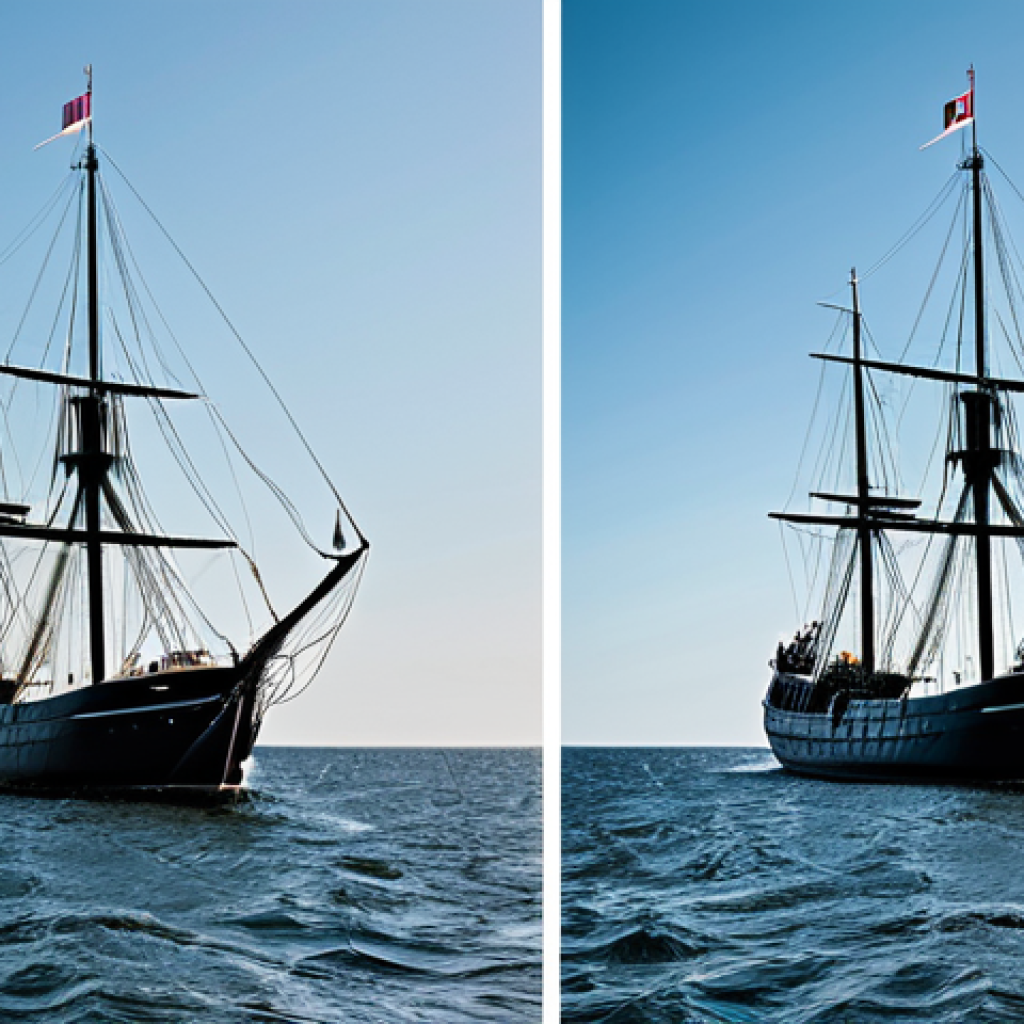
Stepping onto Danish soil, you almost immediately feel the whispers of the sea. It’s in the crisp air, the distant cry of gulls, and the very architecture that hugs the coast.
Denmark, a nation cradled by the waves, wasn’t merely *near* the ocean; it was *forged* by it. For centuries, its ships were the lifelines connecting distant lands, carrying not just goods, but ideas, cultures, and the very spirit of exploration.
It’s a history that runs deeper than any fjord, shaping everything from national identity to global commerce. Let’s explore this in detail below. I often find myself contemplating how this island nation, seemingly small on a map, managed to exert such immense influence across the globe.
It truly hits you when you realize that the foundation of today’s complex global supply chains, battling everything from pandemics to geopolitical tremors, was laid by these intrepid Danish mariners.
Their ingenuity in navigation and and trade wasn’t just about moving cargo; it was about building a network that echoes into our modern concerns about resilience and sustainability.
Today, as we grapple with the imperative of green shipping and decarbonizing the maritime industry, Denmark is once again at the forefront, leveraging that centuries-old pioneering spirit.
From investing in colossal offshore wind farms that power future fleets to developing groundbreaking autonomous vessels, the legacy is palpable. It’s a fascinating cycle: the very routes established during the Age of Sail now face challenges of climate change and digital transformation.
You see it firsthand in bustling ports like Copenhagen, where historical cranes stand silent vigil over modern, automated terminals. It’s a living testament to how a nation’s past anchors its present and propels its future.
This deep dive into Denmark’s maritime trade history isn’t just a trip down memory lane; it’s a crucial lens through which to understand the evolving landscape of global commerce.
The Enduring Echo of Viking Seafaring: Foundations of a Maritime Nation
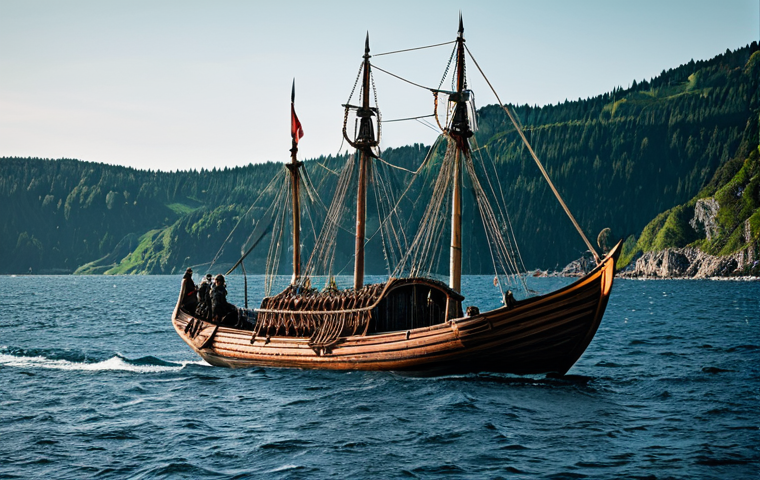
It’s easy to romanticize the Vikings, but when you stand on the windswept shores of Denmark, you don’t just see history; you feel the primal connection to the sea that defined them.
These weren’t just raiders; they were master shipbuilders, intrepid navigators, and visionary traders who, quite literally, put Scandinavia on the map.
I often think about the sheer audacity of their voyages, crossing vast, uncharted oceans in open longships, driven by nothing but ingenuity and a profound understanding of currents, stars, and the subtle language of the waves.
Their legacy isn’t just in the sagas; it’s etched into the very DNA of Danish maritime prowess. They didn’t just sail; they *explored*, they *connected*, and they *laid the groundwork* for a global trading network that, in many ways, we’re still optimizing today.
From the bustling trade hubs of Hedeby and Ribe to the far-flung settlements they established, their impact was profound, demonstrating an early grasp of logistics and supply chain resilience that truly fascinates me.
Their ships were sophisticated instruments of commerce and exploration, capable of navigating both shallow rivers and treacherous open seas, a design feat that still impresses naval architects.
This ancient heritage isn’t merely a footnote in history books; it’s the foundational spirit that continues to propel Denmark’s maritime innovation forward, a testament to how deep roots can nourish future growth.
1. Early Naval Architecture and Trade Routes
The technical brilliance of Viking longships and knarrs continues to amaze me. These vessels weren’t just sturdy; they were incredibly versatile, designed for both swift raids and long-distance cargo transport.
I remember visiting the Viking Ship Museum in Roskilde and being struck by the sleek lines and robust construction of the reconstructed ships. It truly brings home the fact that their engineering was far ahead of its time, allowing them to venture across the North Sea, the Atlantic, and even into the Mediterranean.
These journeys established trade routes that linked disparate cultures, exchanging goods like furs, amber, timber, and iron, but also ideas and technologies.
The meticulous detail in their ship design, from the overlapping clinker planks to the single square sail, speaks volumes about their expertise and deep experiential knowledge of the sea.
They understood hydrodynamics and materials in a way that modern engineers can still learn from, demonstrating how practical, lived experience can lead to groundbreaking innovation.
2. The Influence of Early Nordic Settlements
Beyond the ships themselves, the Viking age saw the establishment of crucial trading settlements that functioned as proto-ports. Places like Hedeby, a major trading hub in what is now northern Germany, served as vital connectors between Scandinavia, Europe, and even the Byzantine Empire.
My own exploration of these historical sites, though now archaeological ruins, evokes a sense of the vibrant, bustling commerce that once thrived there.
These settlements weren’t just places for exchange; they were centers of cultural diffusion, where people from different lands converged, shared knowledge, and fostered early forms of international relations.
It was a chaotic, yet remarkably effective, system of commerce driven by audacious journeys and a willingness to engage with the unknown, setting a precedent for Denmark’s later role as a global maritime player.
Forging Global Supply Chains: The Age of Sail and Danish Expansion
Stepping forward in time, Denmark’s maritime identity didn’t fade; it simply evolved, adapting to new global realities. The Age of Sail saw a transformation from raiding and sporadic trading to a more formalized, structured approach to international commerce.
This era, to me, is particularly fascinating because it laid the very foundation for the complex, interconnected global supply chains we grapple with today.
Danish merchant ships, under the banner of companies like the Danish East India Company, weren’t just carrying goods; they were carrying the ambitions of a nation, establishing colonies, opening new markets, and cementing Denmark’s position as a significant player on the world stage.
I often reflect on the sheer logistical challenge of sending a fleet across vast oceans with no modern communication or navigation aids beyond a sextant and a compass.
It required unparalleled resilience, meticulous planning, and an unwavering commitment from everyone involved, from the shipwrights in Copenhagen to the captains braving treacherous storms.
This wasn’t merely about profit; it was about national prestige, asserting influence, and building a network that would sustain generations of Danish enterprise.
The sheer scale of their endeavors, linking distant outposts in Asia and the Caribbean to the markets of Europe, demonstrates a foresight that still resonates in contemporary discussions about global connectivity.
1. The Danish East India Company’s Ventures
The Danish East India Company, established in the 17th century, is a prime example of Denmark’s ambition during this period. While perhaps not as famous as its British or Dutch counterparts, it played a crucial role in bringing exotic goods like spices, tea, and textiles from Asia to Europe.
I’ve read countless accounts of the perilous journeys, the immense risks, and the substantial rewards involved in these ventures. It wasn’t just about trade; it was about building a logistical empire, establishing trading posts in places like Tranquebar in India and managing complex networks of suppliers and distributors.
This early corporate structure, operating on a global scale, shows a remarkable prescience in understanding the mechanisms of international commerce long before modern management theories existed.
2. The Transatlantic Trade and its Legacy
Beyond Asia, Denmark also engaged heavily in the transatlantic trade, establishing colonies in the West Indies, such as St. Thomas, St. John, and St.
Croix. These islands became vital hubs for sugar, rum, and other colonial goods. While this chapter of history is complex and fraught with the moral stain of slavery, it undeniably contributed to the accumulation of wealth and the expansion of Denmark’s maritime influence.
The routes established, the shipping lanes navigated, and the port infrastructures developed during this period continue to underpin many of the global shipping patterns we see today.
It’s a reminder that even the most uncomfortable parts of history have shaped the present landscape of trade and logistics.
Pioneering the Modern Maritime Industry: From Steam to Global Leaders
The transition from sail to steam, and then to internal combustion, marked another revolutionary period for Danish shipping. Denmark didn’t just adapt; it became a leader in embracing these new technologies, transforming its merchant fleet into a force to be reckoned with.
When I look at the immense container ships and oil tankers traversing the oceans today, I can trace their lineage directly back to the entrepreneurial spirit that propelled Danish companies to the forefront of this industrial revolution.
This wasn’t a gentle evolution; it was a radical shift that required massive investment, audacious vision, and a willingness to embrace change, often at great risk.
The individuals and companies that drove this transformation, particularly those who built the behemoths of today’s shipping world, demonstrated a keen understanding of scale, efficiency, and the burgeoning demands of a truly globalized economy.
They weren’t just moving goods; they were connecting continents on an unprecedented scale, forging new pathways for commerce and cultural exchange.
1. The Rise of Danish Shipping Conglomerates
No discussion of modern Danish shipping would be complete without acknowledging the colossal impact of companies like A.P. Moller – Maersk. From its humble beginnings in Svendborg, this company grew into the world’s largest container shipping line, a truly staggering achievement.
I’ve personally felt the ripple effects of Maersk’s innovations, seeing their iconic blue containers everywhere from bustling ports to remote rail yards.
Their visionary leaders, particularly Mærsk Mc-Kinney Møller, understood the power of scale, efficiency, and vertical integration long before these terms became corporate buzzwords.
They didn’t just ship; they revolutionized logistics, introducing concepts like containerization that transformed global trade entirely. It’s a testament to how one company, driven by an unwavering commitment to operational excellence, can reshape an entire industry.
2. Specialized Vessels and Naval Expertise
Beyond container shipping, Denmark also excelled in specialized maritime sectors, from tanker fleets to offshore support vessels and ferry operations.
The shipbuilding industry, though having faced its own challenges, consistently pushed the boundaries of design and engineering. This diverse expertise meant that Danish vessels weren’t just numerous; they were often cutting-edge, designed for specific, demanding tasks.
I find this diversification impressive, showcasing a pragmatic approach to maritime business, always seeking niches and areas where Danish expertise could provide a competitive edge, from ice-strengthened ships to advanced chemical tankers.
Navigating Towards a Green Horizon: Denmark’s Decarbonization Drive
If there’s one area where Denmark is truly setting the pace today, it’s in the imperative shift towards sustainable shipping. The challenges of climate change are undeniable, and I’ve seen firsthand how seriously the Danish maritime sector is taking its responsibility to decarbonize.
This isn’t just about compliance; it’s about a genuine commitment to innovation and leadership, leveraging that centuries-old pioneering spirit to tackle the most pressing environmental issues of our time.
From investing in massive offshore wind farms that power future fleets to developing groundbreaking autonomous vessels, the legacy of ingenuity is palpable.
It’s a fascinating cycle: the very routes established during the Age of Sail now face the profound challenges of climate change and digital transformation.
You see it firsthand in bustling ports like Copenhagen, where historical cranes stand silent vigil over modern, automated terminals, embodying this blend of history and future-focused innovation.
The drive for green shipping is not just an aspiration but a concrete, government-backed, industry-led movement that truly sets Denmark apart globally.
1. Pioneering Offshore Wind and Alternative Fuels
Denmark has become a global leader in offshore wind energy, and it’s no coincidence that this ties directly into their maritime ambitions. The development of vast offshore wind farms isn’t just about generating clean electricity; it’s about pioneering the infrastructure for future fleets powered by green hydrogen or ammonia, derived from renewable sources.
I remember seeing the sheer scale of the Anholt Offshore Wind Farm, a true marvel of engineering, and thinking about how it represents a tangible step towards a carbon-neutral maritime future.
Furthermore, Danish shipping companies and research institutions are at the forefront of developing and testing alternative fuels, pushing for methanol, ammonia, and even battery-powered solutions.
This commitment to diversifying energy sources and investing in cutting-edge propulsion technologies shows a long-term vision that other nations are only now beginning to emulate.
2. International Collaboration and Regulatory Leadership
Denmark’s commitment to green shipping extends beyond its borders. It actively champions stricter environmental regulations within international bodies like the International Maritime Organization (IMO).
I often feel a sense of pride seeing how consistently Denmark advocates for ambitious climate targets and robust frameworks for sustainable shipping. They’re not just developing solutions; they’re also working to create a level playing field and encourage global adoption of greener practices.
This leadership in policy and advocacy, combined with practical innovation, makes Denmark a true global beacon in the fight against climate change within the maritime sector.
Innovation Beyond the Horizon: Autonomous Vessels and Digitalization
The future of shipping isn’t just about cleaner fuels; it’s also about smarter operations. Denmark is heavily invested in exploring the frontier of autonomous vessels and advanced digitalization, concepts that sound like science fiction but are rapidly becoming reality.
I’ve always been fascinated by how technology can revolutionize traditional industries, and watching Denmark embrace these changes fills me with optimism.
This isn’t just about removing humans from the loop; it’s about enhancing safety, optimizing routes, reducing fuel consumption, and creating a far more efficient and resilient maritime ecosystem.
The strategic investments in research and development, particularly in areas like remote control systems, sensor technology, and artificial intelligence for maritime applications, position Denmark at the cutting edge of what’s next in global shipping.
1. Developing Autonomous Shipping Solutions
The concept of autonomous ships, navigating oceans with minimal or no human intervention on board, is one of the most exciting developments in the maritime world, and Denmark is at the vanguard.
Companies and universities are collaborating on pilot projects that test remotely operated and fully autonomous vessels. I’ve followed the progress of projects like the “Stryde” autonomous ferry concept, which aims to provide flexible, on-demand urban transport.
This level of innovation requires not only cutting-edge technology but also a deep understanding of maritime law, cybersecurity, and human-machine interaction, all areas where Denmark is fostering significant expertise.
2. The Power of Digital Twins and Data Analytics
Digitalization in the maritime sector goes far beyond just automating vessels. It involves creating “digital twins” of ships and port operations, using vast amounts of data to optimize performance, predict maintenance needs, and enhance safety.
I find it incredible how data analytics can transform everything from route planning to cargo loading, leading to massive efficiency gains. Danish companies are leveraging AI and machine learning to analyze weather patterns, optimize fuel consumption, and even manage complex logistics networks in real-time.
This data-driven approach is truly revolutionizing how ships are operated and how global supply chains are managed, making them more resilient and responsive than ever before.
The Human Element: Preserving Maritime Heritage and Fostering Talent
Amidst all the talk of technology and sustainability, it’s easy to overlook the people who make the maritime industry tick. Yet, Denmark has consistently understood that its greatest asset is its human capital.
The nation has a deep respect for its maritime heritage, carefully preserving historical vessels and traditions, while simultaneously investing heavily in educating the next generation of seafarers, engineers, and maritime professionals.
For me, this balance between honoring the past and investing in the future is what truly sets Denmark apart. It’s not just about building bigger, faster, or greener ships; it’s about nurturing the expertise, the passion, and the innovative spirit that has always defined its connection to the sea.
The academies and training centers aren’t just teaching skills; they’re instilling a culture of excellence and responsibility that is vital for navigating the complexities of the modern maritime world.
1. World-Class Maritime Education and Training
Denmark boasts some of the world’s leading maritime academies and universities, attracting students from across the globe. These institutions provide rigorous training for everything from navigation and marine engineering to logistics and maritime law.
I’ve always believed that investing in education is key to long-term success, and Denmark’s commitment in this area is exemplary. The curricula are constantly updated to reflect the latest technological advancements and environmental imperatives, ensuring that graduates are well-equipped to meet the demands of a rapidly evolving industry.
This focus on high-quality, practical education ensures a steady pipeline of talent, maintaining Denmark’s competitive edge.
2. Preserving Cultural Heritage and Seafaring Traditions
While embracing the future, Denmark also holds its maritime heritage in high regard. Museums like the M/S Maritime Museum of Denmark in Elsinore are not just repositories of artifacts; they are vibrant centers that tell the story of a nation forged by the sea.
I always recommend visiting these places, as they offer an incredible insight into the lives of seafarers, the evolution of shipbuilding, and the profound impact of maritime trade on Danish society.
This commitment to preserving cultural heritage ensures that the rich history and traditions of seafaring are passed down through generations, inspiring new talent and reminding everyone of the deep roots of Denmark’s maritime identity.
Global Impact: Denmark’s Role in International Maritime Governance
Finally, Denmark’s influence extends far beyond its own shores and commercial fleets; it plays a critical, often understated, role in shaping the very rules and regulations that govern the global maritime industry.
As a neutral, respected voice, Denmark has consistently contributed to the development of international maritime law, safety standards, and environmental protocols.
I find this aspect of their contribution particularly important because, in an industry as vast and interconnected as shipping, consistent global governance is absolutely essential.
Their pragmatic approach and commitment to consensus-building make them a highly effective advocate for common-sense regulations that benefit everyone, from individual seafarers to multinational corporations.
This dedication to fostering a stable and responsible global maritime environment truly underscores their role as a global leader, far beyond the size of their territory.
1. Influencing IMO and UN Initiatives
Denmark is a highly active and influential member of the International Maritime Organization (IMO), the specialized agency of the United Nations responsible for regulating shipping.
They consistently champion initiatives related to maritime safety, security, and pollution prevention. I’ve observed their consistent advocacy for stricter environmental regulations and their push for global standards that promote fair competition and responsible operations.
Their diplomacy within these international forums is crucial for translating ambitious goals into workable global policies, ensuring that the maritime industry evolves responsibly.
2. Advancing Maritime Security and Safety
Beyond environmental concerns, Denmark is also a strong proponent of maritime security, actively participating in international efforts to combat piracy, enhance cybersecurity in shipping, and improve navigational safety.
Their expertise in these areas is invaluable, contributing to a safer and more predictable environment for global trade. I’ve seen how their collaborative spirit and technical know-how help to shape best practices and protocols that protect seafarers and cargo worldwide.
This commitment to a secure and safe maritime domain is a cornerstone of their global leadership and reflects a deep-seated commitment to the well-being of the entire industry.
| Key Era | Defining Characteristics | Danish Contributions |
|---|---|---|
| Viking Age (8th-11th Century) | Exploration, early trade networks, innovative ship design (longships, knarrs) | Master shipbuilders, establishing Hedeby/Ribe as trade hubs, pioneering Atlantic voyages |
| Age of Sail (17th-19th Century) | Colonial expansion, establishment of formal trade companies (East India Co.), global routes | Danish East India Company, Caribbean colonies (Danish West Indies), global mercantile fleet |
| Industrial Revolution (19th-20th Century) | Transition to steam/motor vessels, rise of shipping conglomerates, containerization | A.P. Moller – Maersk’s rise, pioneering container shipping, specialized vessel development |
| Modern Era (21st Century) | Decarbonization, digitalization, autonomous shipping, global governance focus | Offshore wind leadership, alternative fuels R&D, autonomous vessel trials, IMO influence |
Wrapping Up
As I reflect on Denmark’s incredible maritime journey, it’s clear their story is more than just ships and trade; it’s a testament to unwavering innovation, adaptability, and an enduring bond with the sea. From Viking longships charting unknown waters to Maersk’s container revolution and today’s audacious push for green shipping, their legacy is one of constant evolution. This deep-rooted connection isn’t merely historical; it’s a living, breathing force that continues to propel Denmark to the forefront of global maritime leadership, proving that a nation’s spirit can indeed be forged by the very waves that embrace its shores.
Useful Information
1. If you truly want to grasp the ingenuity of Viking shipbuilding, a visit to the Viking Ship Museum in Roskilde, Denmark, is an absolute must. You’ll see real excavated longships and learn about their construction firsthand.
2. For a comprehensive dive into Denmark’s naval and merchant history, the M/S Maritime Museum of Denmark in Elsinore (Helsingør) offers a stunning architectural experience and insightful exhibits.
3. While A.P. Moller – Maersk doesn’t have a public visitor center in Copenhagen, their global influence can be felt throughout the city’s bustling port areas, symbolizing Denmark’s modern maritime prowess. Keep an eye out for their iconic blue containers!
4. Denmark is a global leader in sustainable shipping. Look up their initiatives with the International Maritime Organization (IMO) and their investments in alternative fuels like green methanol for the future of maritime transport.
5. To experience Copenhagen’s strong maritime connection, take a canal tour or explore the revitalized harbor areas like Nyhavn and the new city districts along the waterfront. You’ll see a blend of historic architecture and cutting-edge modern design, all tied to the water.
Key Takeaways
Denmark’s maritime journey showcases a consistent spirit of innovation, from Viking ingenuity to modern decarbonization efforts. Their strategic focus on advanced technology, global trade, and environmental leadership solidifies their position as a pivotal player in the international maritime industry.
This deep-rooted heritage, combined with a commitment to education and sustainability, continues to drive their global impact.
Frequently Asked Questions (FAQ) 📖
Q: Given Denmark’s seemingly small size on a map, how did it manage to wield such immense global maritime influence throughout history?
A: I’ve often pondered this myself, walking through old port towns in Denmark. It genuinely hits you when you realize their small geographic footprint belies a history absolutely forged by the sea.
It wasn’t just about being near the ocean; the sea was their highway, their lifeline, their very identity. For centuries, these intrepid Danish mariners weren’t just moving cargo; they were the architects of the earliest global supply chains.
Think about it: their ships were the internet of their day, carrying not just spices and textiles, but also revolutionary ideas and cultures across vast distances.
It’s truly incredible how their navigational ingenuity and fierce trading spirit laid down foundational networks that, surprisingly, still echo in the complex global logistics we grapple with today.
They were pioneering risk-takers, and that spirit is etched deep.
Q: How does Denmark’s deep maritime history specifically connect to and inform the modern challenges of global supply chains and sustainability?
A: It’s wild to think, isn’t it, how those ancient routes and the foundational networks established by Danish mariners are still so relevant? When we talk about the resilience of global supply chains today, battling everything from a pandemic hiccup to geopolitical tremors, you’re essentially looking at the modern evolution of what those Danes started.
Their genius wasn’t just in getting a ship from A to B; it was in understanding interconnectedness and building durable systems. Now, as we face the massive imperative of green shipping and decarbonizing the entire maritime industry, Denmark isn’t just resting on its laurels.
That centuries-old pioneering spirit is precisely what they’re leveraging. It’s like their past acts as a deep anchor, giving them the stability and vision to lead the charge into sustainable, future-proof shipping.
Q: What specific initiatives or developments illustrate Denmark’s continued leadership in the maritime industry, particularly concerning green shipping and decarbonization?
A: Oh, you really see it firsthand when you visit places like Copenhagen’s port – where the historical cranes silently watch over ultra-modern, automated terminals.
It’s a fascinating, almost poetic cycle. Denmark isn’t just talking about green shipping; they’re investing colossal sums and their ingenuity into making it a reality.
I mean, we’re talking about massive offshore wind farms being developed specifically to power the fleets of tomorrow – imagine that! And it’s not just about renewable energy; they’re also at the forefront of developing groundbreaking autonomous vessels.
That same intrepid spirit that explored new sea routes centuries ago is now channelled into conquering climate change and embracing digital transformation.
It truly is a full circle moment, demonstrating how their maritime past isn’t just history; it’s the very foundation propelling them into the future of global commerce.
📚 References
Wikipedia Encyclopedia
구글 검색 결과
구글 검색 결과
구글 검색 결과
구글 검색 결과
구글 검색 결과