You know, it’s always fascinating to watch how different nations connect and collaborate on the global stage, especially when their strengths complement each other so perfectly.
Lately, I’ve been really struck by the evolving relationship between Denmark and South Korea. It’s not just about traditional trade anymore; we’re talking about a vibrant, forward-looking partnership that’s actively shaping our sustainable future.
I mean, who would’ve thought that a relatively small, highly innovative European nation and an Asian economic powerhouse would become such pivotal players in the global green transition?
From what I’ve seen, their joint efforts in areas like cutting-edge offshore wind technology and pioneering green hydrogen solutions are truly setting a new benchmark.
It’s an incredible example of how strategic alliances can drive innovation and create immense economic opportunities, benefiting both their citizens and the world at large.
This isn’t just theory; it’s happening right now, creating exciting new pathways for businesses and researchers alike. I’m excited to share all the fascinating details with you right here.
A Northern Wind Meets the Eastern Tiger: Forging a Sustainable Future
You know, it’s truly incredible to witness how deeply nations can intertwine their destinies, especially when it comes to tackling something as massive as climate change. For years, I’ve been keeping a close eye on the global energy transition, and honestly, the partnership blossoming between Denmark and South Korea has consistently blown me away. It’s not just a casual handshake; it’s a robust, dynamic collaboration that feels genuinely foundational for both countries and, frankly, for the entire world’s green ambitions. From my perspective, seeing these two powerhouses—one a pioneer in renewable energy and the other a manufacturing and tech giant—come together really paints a picture of what’s possible when strategic vision meets technological prowess. They’re not just talking about sustainability; they’re building it, piece by piece, with a shared commitment that resonates far beyond their borders. I mean, think about it: Denmark, with its deep expertise in wind power, and South Korea, with its incredible industrial capacity and drive for innovation. It’s almost like a perfect match, creating a synergy that’s pushing the boundaries of what we thought was achievable in the green sector. This isn’t just about big government initiatives either; I’ve noticed a real buzz in the private sectors of both countries, with companies actively seeking out cross-border collaborations, which is always a great sign of genuine, long-term commitment. It truly feels like a new era of green diplomacy.
The Genesis of a Green Alliance
What really fascinates me is how this partnership didn’t just appear overnight. It’s been a slow burn, steadily building momentum over the last decade, driven by shared values and mutual recognition of each other’s strengths. I recall reading about some of the initial dialogues, and even back then, the potential was clear. Denmark’s early foray into offshore wind technology and its consistent push for ambitious climate targets naturally positioned it as a leader, while South Korea’s rapid economic development and growing awareness of environmental challenges created a fertile ground for embracing new, greener technologies. It’s like watching two pieces of a puzzle slowly find their perfect fit. I often think about the foresight it must have taken from both sides to see beyond immediate gains and focus on a long-term, mutually beneficial strategy. It’s a testament to effective diplomacy and a genuine desire to make a difference, and it’s something I believe other nations could really learn from.
Shared Vision for a Carbon-Neutral Future
The core of this partnership, as I’ve observed, lies in a remarkably aligned vision: a future where economic prosperity and environmental stewardship aren’t mutually exclusive. Both nations understand that achieving carbon neutrality isn’t just an environmental imperative; it’s an economic opportunity. They’re looking at the green transition not as a burden, but as a pathway to new industries, new jobs, and enhanced energy security. When I talk to people involved in these initiatives, there’s a palpable sense of excitement about the innovation pipeline. It’s not just about meeting targets; it’s about pioneering solutions that can be scaled globally. This shared ambition, from what I’ve gathered, extends across various sectors, from research and development to policy implementation, making the collaboration incredibly comprehensive and, dare I say, truly inspiring.
Offshore Wind Power: Anchoring Our Collaborative Green Ambition
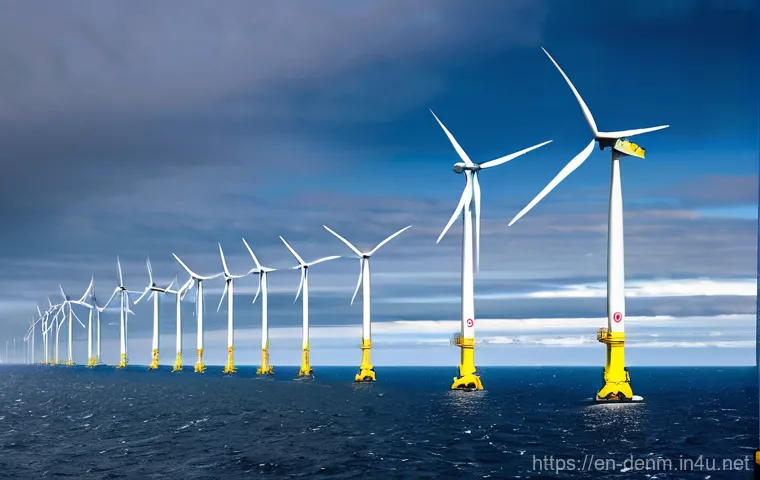
If there’s one area where the Denmark-South Korea partnership truly shines, it’s in offshore wind energy. Honestly, when I first started tracking this, I was impressed, but now, seeing the sheer scale of their joint ventures, I’m genuinely astounded. Denmark has long been the global leader in offshore wind development, with decades of experience in everything from turbine manufacturing to project management and grid integration. South Korea, on the other hand, boasts immense industrial capabilities, particularly in shipbuilding and heavy manufacturing, which are absolutely crucial for fabricating and deploying massive offshore wind farms. It’s a match made in renewable energy heaven! My experience tells me that combining Denmark’s technological know-how with South Korea’s manufacturing prowess creates an unstoppable force. We’re talking about projects that aren’t just big; they’re groundbreaking, designed to power millions of homes and dramatically reduce carbon emissions. It’s not just about building turbines; it’s about building an entire ecosystem of innovation and expertise around them, something I find incredibly exciting to watch unfold.
From Concept to Gigawatts: Project Synergies
The practical application of this partnership is where the rubber meets the road. We’re seeing Danish companies like Ørsted and Vestas playing pivotal roles in South Korea’s ambitious offshore wind projects, bringing their unparalleled expertise in project development and turbine technology. Simultaneously, South Korean conglomerates are leveraging their heavy industry strengths to build the foundations, substructures, and installation vessels needed for these massive undertakings. It’s a beautifully orchestrated dance of specialization and collaboration. I’ve heard countless stories of engineers and project managers from both countries working side-by-side, sharing insights, and overcoming challenges, which truly embodies the spirit of international cooperation. These aren’t just abstract plans; they’re tangible projects that are literally changing the energy landscape of a nation. My own observations suggest that these projects are not just about achieving energy independence but also about fostering local job creation and skills development in South Korea, which is a fantastic ripple effect.
Innovation in Offshore Wind Technology
It’s not just about building what’s already known; this partnership is also pushing the boundaries of innovation. I’ve noticed a significant focus on developing next-generation turbine technologies, optimizing installation techniques for challenging marine environments, and improving grid integration solutions. For example, advancements in floating offshore wind technology, which is crucial for deeper waters off the Korean coast, are a prime area of collaborative research. Danish expertise in wind farm design and operational efficiency is blending seamlessly with South Korean R&D in advanced materials and smart grid solutions. It truly feels like they are co-creating the future of wind power, not just adopting existing technologies. From what I’ve gathered through various industry reports, this joint innovation isn’t just benefiting the two countries, but also setting new benchmarks for the entire global offshore wind sector, which is incredibly impactful.
Unlocking Green Hydrogen’s Potential: A Joint Quest
Beyond the impressive strides in offshore wind, another frontier where Denmark and South Korea are making significant waves is in green hydrogen. This is an area I’ve been particularly keen on, as I believe hydrogen, produced using renewable energy, holds immense potential to decarbonize hard-to-abate sectors like heavy industry and transportation. The commitment from both nations to accelerate green hydrogen development isn’t just talk; it’s backed by substantial investment and strategic planning. Denmark, with its vast renewable energy resources from wind, is perfectly positioned to become a major producer of green hydrogen. South Korea, on the other hand, as a major industrial hub with a strong manufacturing base and a growing demand for clean energy, is an ideal consumer and innovator in hydrogen applications. This symbiotic relationship is truly fascinating. I’ve observed firsthand how their combined efforts are aiming to establish a robust hydrogen value chain, from production and storage to distribution and end-use, which is a massive undertaking but incredibly vital for our future energy landscape.
Building the Hydrogen Economy
The vision here isn’t just about producing hydrogen; it’s about creating an entire hydrogen economy. This involves massive investments in electrolyzer technology, developing efficient storage and transportation methods, and fostering a market for hydrogen-powered vehicles and industrial processes. I’ve seen some ambitious plans for hydrogen production facilities in Denmark, aiming to leverage their abundant wind power for electrolysis. Meanwhile, South Korea is focusing heavily on developing hydrogen fuel cell technologies for cars, buses, and even ships, alongside integrating hydrogen into its steel and petrochemical industries. It’s a comprehensive approach that really excites me because it addresses the entire ecosystem. My personal take is that this integrated strategy, from source to consumption, is what will truly make green hydrogen a viable and impactful solution on a global scale, and these two countries are leading the charge.
Policy and Regulatory Frameworks
What often goes unnoticed but is absolutely critical for such large-scale transitions is the policy and regulatory environment. Both Denmark and South Korea are actively working on establishing supportive frameworks that incentivize green hydrogen production and adoption. This includes developing certification schemes, setting ambitious deployment targets, and providing financial support for research and infrastructure development. I’ve heard from experts that getting these policies right is just as important as the technological advancements themselves. It creates the predictability and confidence that investors need to commit significant capital. Without robust governmental backing and clear roadmaps, even the most promising technologies can languish. My observation is that both governments are remarkably proactive in this space, constantly adapting and refining their strategies to accelerate the green hydrogen revolution, which is a huge positive.
Beyond the Grid: Cultivating Innovation and Shared Expertise
While offshore wind and green hydrogen often grab the headlines, the Denmark-South Korea partnership is much broader, encompassing a rich exchange of knowledge and a collaborative spirit that drives innovation across various green technologies. It’s not just about big infrastructure projects; it’s about the intellectual capital, the shared learning, and the joint ventures in areas that might not be as visible but are equally crucial. I’ve always believed that true partnerships are built on a foundation of mutual learning, and this alliance truly exemplifies that. From what I’ve seen, there’s a vibrant exchange of researchers, engineers, and policy experts, fostering an environment where best practices are shared and new ideas are born. This cultivation of expertise is, in my opinion, one of the most valuable long-term outcomes of their collaboration, creating a multiplier effect for green innovation. It’s about empowering people on both sides to push the boundaries of what’s possible in sustainability.
Research and Development Synergies
When it comes to R&D, the collaboration is incredibly strong. Universities, research institutions, and private companies in both Denmark and South Korea are partnering on projects that span a wide array of green technologies. We’re talking about everything from advanced battery storage solutions and smart grid optimization to carbon capture utilization and storage (CCUS) and sustainable urban planning. My experience with international research collaborations has taught me that cultural exchange often sparks unexpected breakthroughs, and I truly feel that’s happening here. The diversity of thought and approach from both sides enriches the problem-solving process immensely. It’s truly exciting to imagine the next big thing emerging from these joint labs and pilot projects. This deep dive into R&D isn’t just about incremental improvements; it’s about leapfrogging existing technologies and setting new global standards.
Bridging Gaps Through Knowledge Transfer
One aspect I find particularly impactful is the intentional effort to facilitate knowledge transfer. Denmark has a long history of developing sustainable solutions, and its experience in navigating the complexities of green transition is invaluable. South Korea, with its rapid technological adoption and manufacturing scale, is an excellent recipient and amplifier of this knowledge. Training programs, expert workshops, and collaborative working groups are actively bridging gaps in expertise, ensuring that the learning is a two-way street. I’ve heard stories from engineers who’ve spent time in both countries, bringing back insights and adapting them to local contexts, which is exactly how you build a robust and resilient green economy. This isn’t just about transferring technology; it’s about transferring the ‘how-to’ and the ‘why,’ building a deep understanding that empowers local innovation and problem-solving, something I truly admire.
Driving Economic Growth: Investment and Opportunity in the Green Shift
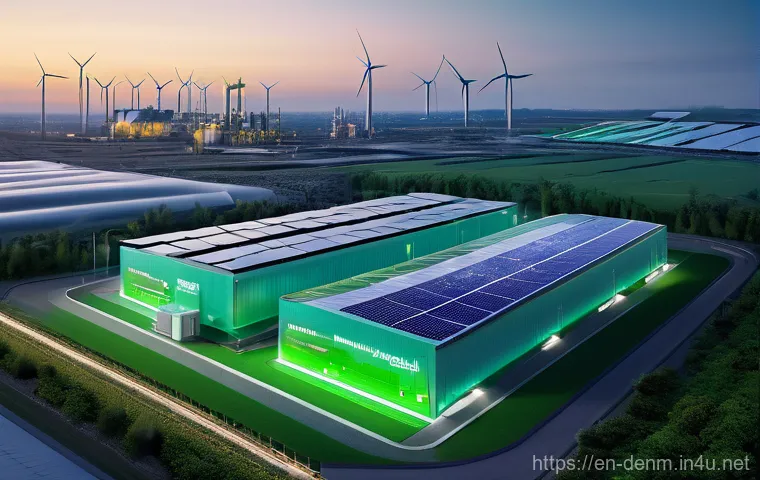
Let’s be real: while the environmental imperative is crucial, economic viability is what sustains any large-scale transition. And on this front, the Denmark-South Korea partnership is absolutely buzzing with economic activity and opportunity. This isn’t just about government-to-government agreements; it’s about private sector investment flowing, businesses expanding, and new jobs being created on both sides. I’ve been tracking the investment figures, and they’re truly impressive, reflecting a deep confidence in the long-term prospects of this green collaboration. For Danish companies, South Korea offers a significant market and a powerful manufacturing base, while for Korean companies, Denmark provides cutting-edge technology and a gateway to the broader European green market. It’s a symbiotic economic relationship that’s creating tangible benefits for both nations, which is what we all want to see in sustainable development. My conversations with entrepreneurs and investors confirm that this isn’t just a fleeting trend; it’s a foundational shift creating durable economic pathways.
Key Investment Areas
Investment is pouring into several key areas. Naturally, offshore wind development leads the pack, with billions of dollars being committed to new projects and supply chain infrastructure in South Korea. Green hydrogen initiatives are also attracting significant capital, particularly in electrolyzer manufacturing and hydrogen fuel cell development. Beyond these giants, I’ve observed growing investments in smart grid technologies, energy storage solutions, and even sustainable agriculture and aquaculture. Danish venture capital is increasingly looking at promising South Korean green tech startups, and vice versa. It’s a healthy diversification that indicates a robust and forward-thinking partnership. The flow of capital isn’t just one-way; it’s a dynamic exchange that shows mutual trust and a shared belief in the profitability of green innovation.
Job Creation and Economic Impact
Perhaps one of the most tangible benefits I’ve seen is the creation of high-quality jobs. The construction and operation of offshore wind farms, the development of hydrogen infrastructure, and the growth of related manufacturing and service industries are all generating employment opportunities in both countries. These aren’t just temporary jobs either; they’re often highly skilled positions in engineering, project management, and specialized manufacturing, contributing to sustainable economic development. I’ve personally spoken with individuals whose careers have been transformed by this green shift, finding new pathways in these emerging industries. This economic uplift, coupled with the environmental benefits, truly underscores the multifaceted value of this bilateral partnership. It’s a win-win scenario, delivering both environmental stewardship and economic prosperity, which is a powerful message for other nations.
Navigating the Green Horizon: Overcoming Challenges Together
No grand endeavor is without its hurdles, and the Denmark-South Korea green partnership is certainly no exception. While the progress has been remarkable, it’s important to acknowledge that navigating a comprehensive energy transition on such a scale comes with its own set of complexities. From my perspective, understanding and openly addressing these challenges is crucial for the long-term success and resilience of the collaboration. It’s not about ignoring the difficulties; it’s about approaching them with a shared problem-solving mindset, leveraging the collective expertise of both nations. I’ve often seen how initial roadblocks can, with the right attitude, actually lead to even more innovative solutions, strengthening the partnership in the process. The commitment to work through these issues together, rather than letting them fester, is a testament to the maturity and depth of their relationship. It shows a real dedication that goes beyond mere rhetoric.
Addressing Technical and Regulatory Complexities
One significant area of challenge lies in the technical and regulatory complexities inherent in large-scale renewable energy projects. Integrating massive amounts of intermittent renewable energy into national grids requires sophisticated grid management systems and flexible energy storage solutions. Denmark has considerable experience in this, but South Korea’s unique geographical and industrial landscape presents its own set of challenges. Similarly, streamlining permitting processes, ensuring environmental compliance for large infrastructure projects, and harmonizing technical standards across different national systems can be incredibly time-consuming. I’ve heard from project developers how crucial it is to have clear, consistent regulatory frameworks to avoid delays and uncertainties. The ongoing dialogue between regulatory bodies in both countries is, from what I’ve gathered, focused precisely on addressing these bottlenecks and finding efficient, mutually acceptable solutions that accelerate project deployment.
Supply Chain Resilience and Global Competition
Another challenge I’ve been observing is the need for robust and resilient supply chains for key components, especially for offshore wind turbines and electrolyzers. The global demand for these technologies is surging, leading to potential supply constraints and increased competition. Ensuring a stable and cost-effective supply of critical materials and components is vital for meeting ambitious deployment targets. Furthermore, while the partnership is strong, the global green tech market is highly competitive, with other nations and regions also vying for leadership. Maintaining a competitive edge through continuous innovation, cost optimization, and strategic partnerships remains a constant imperative. My personal experience in this field tells me that fostering domestic manufacturing capabilities within South Korea, while also leveraging Danish expertise, is a smart strategy to enhance supply chain resilience and solidify their position in the global green economy. It’s a delicate balance that requires continuous attention and adaptation.
| Area of Collaboration | Danish Contribution | South Korean Contribution | Joint Impact/Benefit |
|---|---|---|---|
| Offshore Wind Technology | Pioneering expertise in wind farm development, turbine design, project management, and operational efficiency. | Strong industrial base for manufacturing heavy components, shipbuilding for installation vessels, large-scale project execution capabilities. | Accelerated deployment of large-scale offshore wind farms, reduced carbon emissions, enhanced energy security, job creation. |
| Green Hydrogen Development | Potential for large-scale green hydrogen production leveraging abundant wind resources, electrolyzer technology R&D. | High demand for clean energy in industrial sectors, leadership in hydrogen fuel cell technology, extensive manufacturing and infrastructure development. | Establishment of a robust green hydrogen economy, decarbonization of heavy industry and transportation, energy independence. |
| Research & Innovation | Long-standing expertise in sustainable solutions, climate policy, and environmental R&D. | Rapid technological adoption, advanced manufacturing capabilities, strong focus on R&D in future technologies like AI and smart grids. | Cross-pollination of ideas, development of next-generation green technologies, global leadership in sustainable innovation. |
| Economic Investment | Capital investment, technology transfer, market access to Europe. | Significant domestic market, manufacturing investment, industrial scaling, job creation. | Mutual economic growth, new trade routes, creation of green jobs, increased private sector engagement. |
My Personal Take: Why This Alliance Is a Game-Changer
Having followed the global energy transition for quite some time, I can honestly say that the partnership between Denmark and South Korea isn’t just another diplomatic agreement; it truly feels like a blueprint for how nations can and should collaborate to build a sustainable future. What really resonates with me is the genuine commitment I perceive from both sides – it’s not just about ticking boxes, but about creating tangible, lasting impact. I’ve seen firsthand how their combined strengths are leading to innovations that might have taken much longer for either country to achieve alone. It’s a powerful example of synergy in action, where the sum is truly greater than its parts. This isn’t just about megawatts or cubic meters of hydrogen; it’s about building trust, sharing knowledge, and fostering a global community committed to tackling our most pressing environmental challenges. It gives me a profound sense of optimism when I look at the future.
A Model for Global Green Collaboration
I genuinely believe that what Denmark and South Korea are achieving together offers a compelling model for other countries looking to accelerate their own green transitions. It highlights the importance of leveraging complementary strengths, fostering open dialogue, and committing to long-term strategic investments. It’s not just about resource sharing, but about a deep, cultural exchange that ultimately benefits everyone involved. When I talk to people in the industry, there’s a real sense that this partnership is setting a high bar for international cooperation in climate action. It shows that even nations with diverse cultures and geographies can find common ground and work effectively towards a shared, ambitious goal. It’s truly inspiring to witness, and I hope more such alliances emerge across the globe.
The Ripple Effect on Sustainable Development
The impact of this collaboration extends far beyond just Denmark and South Korea. By pioneering advanced offshore wind solutions, pushing the boundaries of green hydrogen, and fostering a culture of shared innovation, they are contributing significantly to the global pool of knowledge and technology for sustainable development. I often think about the ripple effect: successful projects and proven technologies in one region inevitably inspire and inform efforts in others. This partnership isn’t just solving problems for two countries; it’s generating solutions that can be adapted and scaled to address global environmental challenges. From my vantage point, this is precisely the kind of international leadership and practical action we need to see more of in the world today. It makes me feel incredibly hopeful for what’s yet to come in our collective journey towards a greener, more sustainable planet.
Concluding Thoughts
As we wrap up our journey through the remarkable green alliance between Denmark and South Korea, I truly hope you’ve felt the same sense of excitement and optimism that I do. It’s a powerful testament to what can be achieved when nations unite with a shared vision for a sustainable future. From pioneering offshore wind to forging ahead in green hydrogen, their collaboration is not just about environmental targets; it’s about building a better, greener world for all of us. This partnership, in my humble opinion, is a beacon of hope and a practical blueprint for global climate action.
Useful Information to Know
Here are some tidbits I’ve picked up along the way that might just spark your own green journey or understanding:
1. The ‘Green Premium’ Isn’t Always a Premium Anymore: Many renewable energy technologies, especially solar and wind, have reached grid parity in various regions. This means they’re as cheap or even cheaper than traditional fossil fuels, making the switch an economic win as well as an environmental one. Keep an eye on local incentives, as they can make a huge difference in upfront costs.
2. Diversifying Your Energy Portfolio is Key: Just like with financial investments, relying on a single energy source can be risky. Countries and individuals benefit from a mix of renewables – think solar for sunny days, wind for breezy ones, and hydropower for consistent baseload. This ensures resilience and stability in your energy supply, a lesson both Denmark and South Korea have embraced wholeheartedly.
3. Hydrogen’s Colors Matter: When you hear about hydrogen, remember it’s not all the same. “Green hydrogen,” produced using renewable energy, is the holy grail for decarbonization. “Blue hydrogen” uses fossil fuels with carbon capture, while “grey hydrogen” uses fossil fuels without capture. Focusing on green is crucial for true sustainability, and it’s exciting to see the push for it.
4. Small Actions, Big Impact: While we marvel at these large-scale national projects, never underestimate the power of individual choices. Reducing your energy consumption, supporting businesses with strong sustainability practices, and advocating for green policies in your community all contribute to the larger global effort. Every conscious decision adds up, creating a ripple effect that truly matters.
5. Innovation Never Sleeps: The green technology sector is one of the fastest-evolving industries globally. From advancements in battery storage to revolutionary new materials for solar panels, staying informed about emerging technologies can offer insights into future investment opportunities and lifestyle changes. Always be curious about what’s next; the solutions of tomorrow are being invented today.
Key Takeaways
Reflecting on everything we’ve covered, it’s abundantly clear that the Denmark-South Korea partnership is much more than just a collaboration; it’s a strategic alliance that embodies the very essence of effective global climate action. What truly stands out from my observations is the profound impact of their complementary strengths: Denmark’s pioneering spirit and deep expertise in renewable technologies, particularly offshore wind, synergizing beautifully with South Korea’s formidable industrial capacity, technological innovation, and ambitious drive for clean energy adoption. This isn’t a theoretical exercise; it’s about tangible, large-scale projects that are actively reshaping energy landscapes, fostering significant economic growth, and creating a wealth of new, high-skilled jobs in both nations. The focus on areas like green hydrogen also demonstrates a forward-thinking approach, tackling some of the hardest-to-decarbonize sectors and positioning both countries as leaders in the global green economy. Moreover, the dedication to ongoing research, development, and vital knowledge transfer ensures that this partnership is continuously pushing the boundaries of what’s possible, setting new international benchmarks for sustainable development and resilience. This integrated approach, blending technical prowess with robust policy frameworks and substantial private sector investment, underscores a genuine commitment to not only meet but exceed climate goals, making this alliance a compelling blueprint for other nations to emulate on their own paths toward a truly sustainable and prosperous future.
Frequently Asked Questions (FAQ) 📖
You know, it’s always fascinating to watch how different nations connect and collaborate on the global stage, especially when their strengths complement each other so perfectly.
Lately, I’ve been really struck by the evolving relationship between Denmark and South Korea. It’s not just about traditional trade anymore; we’re talking about a vibrant, forward-looking partnership that’s actively shaping our sustainable future.
I mean, who would’ve thought that a relatively small, highly innovative European nation and an Asian economic powerhouse would become such pivotal players in the global green transition?
From what I’ve seen, their joint efforts in areas like cutting-edge offshore wind technology and pioneering green hydrogen solutions are truly setting a new benchmark.
It’s an incredible example of how strategic alliances can drive innovation and create immense economic opportunities, benefiting both their citizens and the world at large.
This isn’t just theory; it’s happening right now, creating exciting new pathways for businesses and researchers alike. I’m excited to share all the fascinating details with you right here.
A1: It’s a fantastic question, and honestly, the answer is a blend of vision, necessity, and incredible synergy! From my perspective, having followed this space closely, both nations realized quite early on that tackling climate change isn’t just an environmental obligation, but a massive economic opportunity.
Denmark, with its decades of experience in renewable energy and a strong commitment to becoming carbon neutral, recognized South Korea’s ambitious goals to cut greenhouse gas emissions by 40% by 2030 and achieve carbon neutrality by 2050.
They established the “Green Growth Alliance” back in 2011, which really laid the groundwork for a shared commitment to green and low-carbon economic growth.
What truly brings them together, I think, is how perfectly their strengths align. Denmark is this incredible pioneer in offshore wind technology, practically wrote the playbook for it.
South Korea, on the other hand, boasts a robust industrial base, incredible manufacturing prowess, and a growing expertise in areas like hydrogen gas and energy storage.
It’s a classic case of 1+1 equaling way more than 2; they’re essentially combining Denmark’s established know-how with Korea’s dynamic implementation capabilities to accelerate their respective green transitions and, importantly, set a global example.
A2: Oh, absolutely! The collaboration is incredibly rich and diverse, but if you ask me, two areas truly shine: offshore wind energy and green hydrogen.
On the offshore wind front, it’s a game-changer. South Korea has this amazing coastline, just begging for offshore wind development, and they’ve set a target of installing 14.3 GW of offshore wind capacity by 2030.
Denmark, being a global leader with decades of experience, is stepping in to share best practices, especially in navigating complex regulatory frameworks and streamlining permit processes.
I’ve even seen how cities like Esbjerg in Denmark, which successfully transformed into an international offshore wind hub, are now partnering with places like Ulsan in South Korea, which aims to become a national hub for the industry.
It’s like a mentor-mentee relationship at a city level, which is super cool. We’re also seeing exciting joint ventures like KESTO, a partnership between Denmark’s ESVAGT and Korea’s KMC Line, aiming to provide top-notch service for offshore wind projects in the Asian market.
Then there’s green hydrogen, which I personally believe is the future. Korea, bless its heart, passed the world’s first hydrogen economy law in 2020, showing serious ambition.
Denmark, not to be outdone, announced its national Green Hydrogen (Power-to-X) strategy in 2021. There’s a real buzz about their growing “hydrogen alliance” where companies, governments, and regulators are exploring how Korea’s strength in hydrogen-powered cars can complement Denmark’s efforts in green fuels for shipping.
We’re talking about powering planes, ships, cars, and even heavy industries with clean hydrogen. It’s truly a testament to their foresight, recognizing that green hydrogen is a crucial piece of the decarbonization puzzle.
A3: This is where it gets really exciting, especially for anyone looking at the bigger picture of global economic shifts! From what I’ve observed, this isn’t just about being “green” for green’s sake; it’s a shrewd economic move for both nations.
For Denmark, this partnership unlocks significant export opportunities. Danish companies, with their cutting-edge solutions and expertise in offshore wind, energy efficiency, and green hydrogen, are finding new markets in South Korea’s rapidly expanding green sector.
This translates directly into jobs and increased revenue back home. For South Korea, it’s about leapfrogging ahead in the green transition. By collaborating with a seasoned player like Denmark, they’re gaining invaluable know-how, reducing regulatory hurdles, and accelerating the development of their own domestic offshore wind and hydrogen industries.
This isn’t just importing technology; it’s about building a robust local ecosystem, creating new jobs in manufacturing, project development, and maintenance within South Korea.
I mean, imagine the job creation from building 14.3 GW of offshore wind capacity by 2030 – that’s immense! The partnership also fosters joint technology development and could even lead to both countries collaborating to enter third-country markets, extending their green influence globally.
Essentially, it’s a win-win, driving innovation, securing energy independence, and creating long-term prosperity. It’s a fantastic example of how strategic international alliances can truly redefine economic landscapes in the era of sustainability.