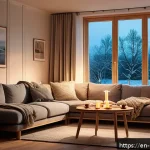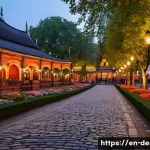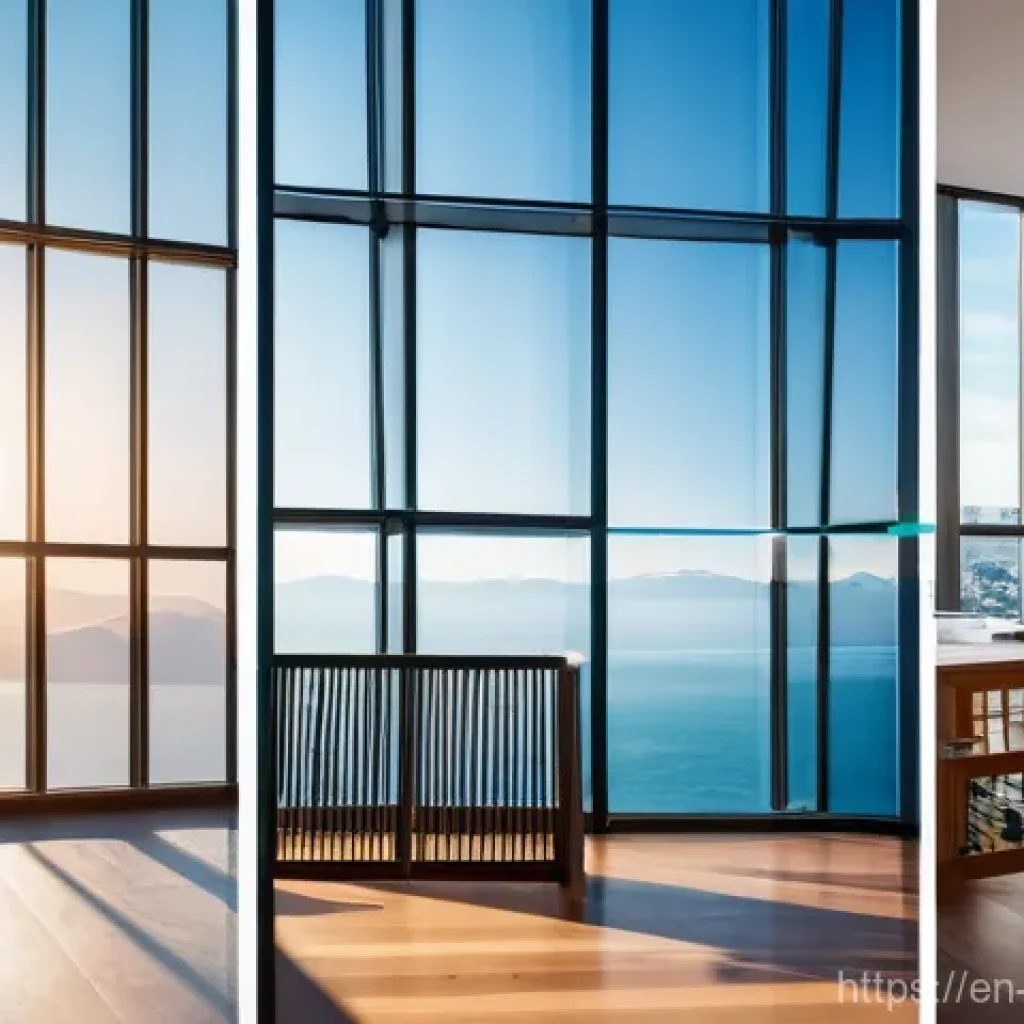
Hey there, fellow travel enthusiasts! Have you ever dreamt of a vacation that perfectly blends cozy comfort with stunning natural beauty and innovative design?
Well, if you haven’t set your sights on Denmark yet, you’re missing out on something truly special. I’ve been fortunate enough to explore this captivating Nordic gem myself, and let me tell you, choosing where to rest your head each night can be just as exciting as the adventures you’ll have during the day.
Forget just standard hotel rooms; Denmark is absolutely bursting with unique stays, from charming boutique hotels that ooze *hygge* to eco-friendly retreats nestled in serene landscapes, and even some quirky, unforgettable options that are definitely conversation starters.
It’s clear that more and more travelers are discovering Denmark’s magic, with a significant boom in overnight stays recently, proving that this country is definitely having its moment.
This surge means that while there’s a fantastic variety of places to choose from, knowing the latest trends and understanding your options is more crucial than ever to ensure you snag the perfect spot without breaking the bank.
Whether you’re picturing yourself waking up to harbor views in Copenhagen, unwinding in a rustic summerhouse by the coast, or experiencing an innovative sustainable stay, there’s a Danish home-away-from-home waiting for you.
My personal experience has shown me that a little planning goes a long way in maximizing both your comfort and your travel budget in this beautiful country.
So, if you’re ready to unlock the secrets to finding the best accommodation for your Danish adventure, let’s dive into all the details right away!
Unearthing Denmark’s Accommodation Gems: Beyond the Ordinary Hotel
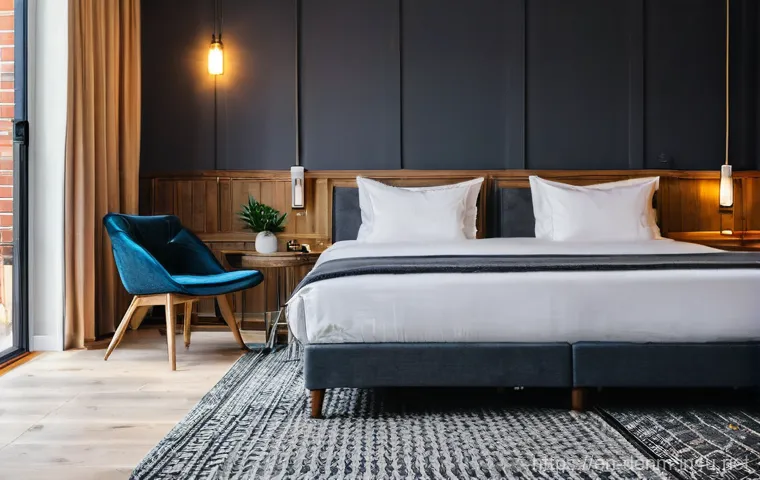
Stepping off the plane in Denmark, I always feel that familiar thrill of discovery, and part of that excitement definitely comes from knowing I’m not just booking a generic hotel room. Denmark, in my humble opinion, truly shines when it comes to unique stays. It’s like the whole country has embraced the idea that where you sleep can be an adventure in itself, whether you’re after something quaint and traditional or ultra-modern and avant-garde. I’ve personally stayed in everything from a cozy, historic inn where the floorboards creaked with stories to a sleek, minimalist apartment that felt straight out of a design magazine. What I’ve learned is that the best experiences often come from venturing slightly off the beaten path, past the big chain hotels, and into places that truly reflect the Danish spirit of hygge and innovative design. This isn’t just about finding a bed; it’s about immersing yourself in the local culture, waking up to breathtaking views you wouldn’t get anywhere else, and truly feeling like a temporary local. The sheer variety available now means that no matter your budget or your travel style, there’s a Danish home-away-from-home calling your name, eager to add that special layer to your trip that you’ll be talking about for years. It’s a testament to the country’s commitment to quality and unique experiences that travelers are increasingly flocking to these distinctive spots, and I’m here to guide you through my favorites and how to find them.
Charming Boutique Hotels: Your Slice of Hygge Heaven
If there’s one thing Denmark does exceptionally well, it’s creating spaces that radiate warmth and comfort – what they famously call hygge. And nowhere is this more evident than in its boutique hotels. Forget the soulless, standardized rooms; here, you’ll find places with personality, often housed in beautifully restored historic buildings, brimming with unique art, carefully curated furniture, and a genuine sense of hospitality. I remember one charming boutique hotel in Aarhus where every morning, the breakfast spread felt like a personal invitation to a Danish home, complete with freshly baked pastries and local cheeses. The staff knew my name, offered fantastic local recommendations, and truly made me feel like a valued guest, not just another check-in. These aren’t just places to sleep; they are experiences in themselves, often located in the heart of vibrant neighborhoods, giving you immediate access to the city’s pulse. For me, choosing a boutique hotel often means I get to experience a more authentic side of Danish urban life, enjoying a personalized touch that’s simply unmatched by larger establishments. It’s about indulging in those little luxuries that make a big difference, like a perfectly brewed cup of coffee in a quaint courtyard or a beautifully designed lounge area where you can unwind after a day of exploring.
Sustainable Stays: Eco-Friendly Escapes in Nature
For those of us who prioritize a lighter footprint while traveling, Denmark is truly a pioneer in sustainable tourism. I’ve been incredibly impressed by the growing number of eco-friendly accommodations that don’t compromise on comfort or style. From stunning architectural marvels built with recycled materials to rustic cabins nestled deep within national parks, these places offer a chance to connect with nature without feeling guilty about your environmental impact. I once stayed in an amazing off-grid cabin on the island of Møn, powered entirely by solar energy, where the only sounds were the rustling leaves and distant birdsong. It was an incredibly rejuvenating experience, proving that sustainable travel can be luxurious and deeply rewarding. Many of these eco-retreats also emphasize locally sourced food, often grown on-site, and offer activities that promote a deeper understanding of the surrounding ecosystem. They’re perfect for travelers looking to truly disconnect, breathe fresh air, and appreciate the raw beauty of Denmark’s landscapes, all while knowing their stay contributes positively to the environment. It’s a trend I’m personally thrilled about, as it aligns perfectly with my desire to explore responsibly and support businesses that genuinely care about our planet.
Coastal Charms: The Allure of Danish Summerhouses
There’s something uniquely Danish about a summerhouse, or ‘sommerhus’ as the locals call them. It’s more than just a holiday home; it’s an institution, a cherished part of the Danish lifestyle. Imagine this: waking up to the sound of waves gently lapping against the shore, enjoying your morning coffee on a sun-drenched terrace with panoramic sea views, and spending your days exploring sandy beaches or charming fishing villages. I’ve had some of my most relaxing and memorable Danish holidays renting a summerhouse, especially along the coasts of Jutland and Funen. These often charming, well-equipped homes range from rustic and traditional wooden cabins to sleek, modern architectural statements, all designed to make the most of their natural surroundings. What I really love is the sense of freedom and privacy they offer; you can cook your own meals, set your own schedule, and truly feel like you’ve got a personal retreat. Many even come with cozy fireplaces, perfect for those cooler evenings, and a garden where kids (or adults!) can play. It’s the ultimate way to experience the laid-back, nature-focused side of Denmark, often at a much more affordable rate than city hotels, especially if you’re traveling with family or a group of friends. My personal tip? Look for ones with bikes included – exploring the local area on two wheels is an absolute joy.
Renting Your Own Piece of Paradise: Tips and Tricks
So, you’re convinced a summerhouse is for you? Fantastic! But navigating the rental market can feel a bit daunting at first. My first piece of advice is always to book well in advance, especially if you’re planning a trip during the peak summer months of July and August. The best ones get snapped up quickly! I usually start looking at least six months out, sometimes even earlier for popular locations. Websites like Feline, Novasol, and Cofman are excellent starting points, offering a huge array of options across the country. Make sure to read reviews carefully, check the amenities (Wi-Fi and a dishwasher are usually non-negotiable for me!), and pay close attention to the location – do you want to be right on the beach, or tucked away in a quiet forest? Don’t be afraid to use the filters to narrow down your search based on your specific needs, whether that’s pet-friendly options, a hot tub, or proximity to specific attractions. And here’s a little insider secret: sometimes, booking directly through local tourism offices can yield hidden gems or better deals. Always confirm what’s included in the price – sometimes utilities like electricity and water are extra, which can add up, especially during colder months when heating is needed. Trust me, a little homework upfront saves a lot of headaches later!
Experiencing Authentic Local Life
Beyond just a place to stay, a summerhouse offers a unique gateway into authentic Danish local life. When you’re staying in a sommarhus, you’re often in smaller towns or villages, giving you a chance to frequent local bakeries, visit small independent shops, and experience the pace of life outside the bustling cities. I’ve loved stumbling upon tiny roadside stands selling fresh berries or homemade jams, or spending an afternoon chatting with local fishermen as they bring in their catch. It’s a different kind of cultural immersion, one that’s slower, more intimate, and incredibly refreshing. You’ll find yourself adopting Danish customs, like taking long walks along the coast, enjoying simple picnics, and embracing the idea of simply *being* rather than constantly doing. It’s a chance to see Denmark through the eyes of its residents, to truly understand the value they place on nature, simplicity, and family time. For me, these moments of quiet observation and gentle interaction are often the most profound, leaving me with a deep appreciation for the Danish way of life long after I’ve returned home.
Urban Escapes: City Apartments and Design Hotels
Copenhagen, Aarhus, Odense – Denmark’s cities are vibrant hubs of culture, gastronomy, and cutting-edge design, and finding the right accommodation is key to making the most of your urban adventure. While the cozy boutique hotels certainly have their charm, sometimes you want something that perfectly mirrors the city’s sleek, modern pulse. This is where design hotels and stylish city apartments really shine. I’ve always been drawn to Copenhagen’s incredible architectural hotels, where every detail, from the lobby art to the in-room furnishings, feels meticulously curated. These aren’t just places to sleep; they’re extensions of the city’s creative energy, offering an immersive design experience. On one trip, I stayed in a hotel where the bathroom was a masterpiece of minimalist aesthetics, and the breakfast room felt like a contemporary art gallery. Conversely, for longer stays or when traveling with family, a well-appointed city apartment can be a game-changer. Having a full kitchen means you can try your hand at cooking with local produce from the markets, and a separate living area gives you space to relax and spread out, feeling truly at home in a new city. It’s a fantastic way to live like a local, even if it’s just for a few days, and allows for a more flexible and often more comfortable urban experience compared to a traditional hotel room.
Staying in Style: The Rise of Danish Design Hotels
Denmark has long been a global leader in design, and its hotels are no exception. The “design hotel” isn’t just a marketing buzzword here; it’s a philosophy. Think clean lines, natural materials, functional yet beautiful furniture (often iconic Danish pieces), and a color palette that evokes a sense of calm and sophistication. I’ve found that these hotels offer more than just aesthetics; they often provide a superior guest experience, focusing on comfort, intuitive service, and smart technology. Many of them also boast fantastic restaurants and bars that become destinations in themselves, often attracting locals as much as tourists. Staying in a design hotel in Copenhagen, like the iconic Nimb Hotel or Hotel Skt. Petri, isn’t just about getting a good night’s sleep; it’s about immersing yourself in the very best of Danish innovation and luxury. It’s definitely worth splurging a little on one of these if your budget allows, as they genuinely elevate the entire trip, making every moment inside the hotel as memorable as the sights outside. The attention to detail is truly remarkable, creating an atmosphere that feels both inspiring and incredibly relaxing.
Your Home Away From Home: Apartment Rentals
For me, apartment rentals through platforms like Airbnb or local agencies have become indispensable, particularly when I’m looking for a more authentic and flexible city experience. The ability to choose an apartment in a specific neighborhood, whether it’s the bustling Vesterbro or the picturesque Nyhavn, allows me to truly immerse myself in the local vibe. I’ve loved having my own kitchen to experiment with Danish ingredients from the local markets, saving money on dining out while still enjoying incredible food. Plus, the extra space is a huge bonus, especially when traveling with friends or family. It’s also fantastic for settling into a rhythm; you can do laundry, have a quiet night in, and generally live more like a local. Just make sure to read reviews meticulously and check the location on a map to ensure it’s convenient for your planned activities. While hotels offer services, apartments offer a different kind of freedom and often a more personalized feel, allowing you to create your own unique urban narrative. It’s about finding that sweet spot between comfort, independence, and truly feeling connected to the city you’re exploring.
Budget-Friendly Danish Adventures: Smart Accommodation Choices
Let’s be real: Denmark can sometimes get a reputation for being a bit pricey, and accommodation can definitely be a big chunk of your travel budget if you’re not careful. But trust me, as someone who loves to explore without breaking the bank, there are plenty of smart ways to enjoy fantastic stays without emptying your wallet. It’s all about knowing where to look and being a little flexible. I’ve found that planning my trips during the shoulder seasons (spring or early autumn) often yields better deals on hotels and guesthouses, and the weather can still be incredibly pleasant for sightseeing. Plus, there are fewer crowds! Don’t automatically dismiss hostels either; Danish hostels are often incredibly clean, modern, and many offer private rooms that are surprisingly comfortable and stylish, often with fantastic common areas that are great for meeting fellow travelers. I once stayed in a design hostel in Copenhagen that had a buzzing cafe and even hosted local art events – it was far from the dusty dorms of my youth! Camping, while a different experience, is also wonderfully popular and well-organized in Denmark, offering a chance to connect with nature at a fraction of the cost. The key is to think creatively and embrace different styles of accommodation that might not be your usual go-to, because often, those are where the real value and unique experiences lie.
Hostels Reimagined: Stylish and Social Stays
If your mental image of a hostel involves cramped, dimly lit dorms, it’s time for a serious update, especially when it comes to Denmark. Danish hostels have undergone a complete revolution, offering some of the most stylish, clean, and social accommodation options you could imagine. Many now boast fantastic design, comfy common areas, excellent cafes and bars, and a range of room types from shared dorms to private en-suite rooms that rival boutique hotels. I’ve personally stayed in several where the atmosphere was vibrant and welcoming, making it incredibly easy to meet other travelers and swap stories. They’re not just for young backpackers anymore; I’ve seen families, couples, and even solo travelers of all ages enjoying the friendly vibe and excellent facilities. For budget-conscious travelers, they offer incredible value, often including breakfast and being located right in the heart of cities. Just imagine being able to spend less on your bed and more on experiencing local cuisine or visiting more attractions! It’s a fantastic way to keep costs down without sacrificing comfort or the chance to connect with others. Don’t knock it until you’ve tried a modern Danish hostel – you might be pleasantly surprised!
Camping and Glamping: Connecting with Nature on a Dime
For nature lovers and those looking to stretch their Kroner further, Denmark’s extensive network of campsites offers an unbeatable option. This isn’t just about pitching a tent in a field; Danish campsites are incredibly well-maintained, often feature excellent facilities like modern kitchens, clean bathrooms, and even playgrounds, and many are located in stunning natural settings – by the sea, in forests, or near charming small towns. I’ve spent some incredible nights under the stars at Danish campsites, waking up to fresh air and the sounds of nature. If traditional camping isn’t quite your style, “glamping” has also taken off, offering a more luxurious outdoor experience with pre-pitched tents, comfy beds, and sometimes even private facilities. It’s a wonderful way to experience Denmark’s beautiful landscapes up close without the hefty price tag of a hotel. Plus, it’s an incredibly family-friendly option, providing plenty of space for kids to run around and explore. Just remember to pack appropriate gear, especially if you’re visiting outside the peak summer months, as Danish weather can be unpredictable. It’s a truly authentic and refreshing way to travel, connecting you directly with the country’s natural beauty.
Booking Your Danish Dream: Insider Tips for a Seamless Stay
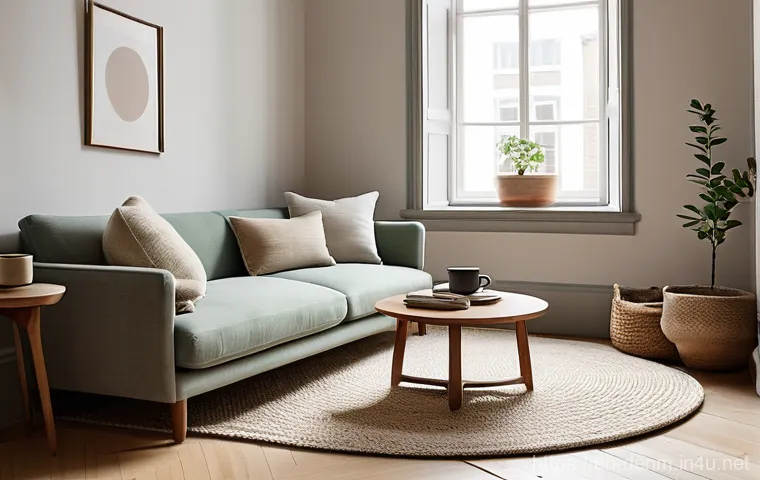
Alright, so you’ve got a clearer picture of the fantastic accommodation options Denmark has to offer. Now, let’s talk strategy – how do you actually snag that perfect spot without any headaches? My biggest takeaway from countless trips is that a little planning and smart booking can make all the difference. While spontaneity has its charms, with Denmark’s popularity on the rise, especially for unique stays, you really don’t want to leave things to the last minute. I’ve learned the hard way that the best places, especially the charming summerhouses or those coveted boutique hotel rooms, tend to book up months in advance, particularly for peak season travel. Being flexible with your travel dates, even by a few days, can also unlock better rates and more availability. Don’t just stick to the major booking sites; sometimes, checking directly with the accommodation’s own website can yield exclusive deals or packages you won’t find anywhere else. And speaking of deals, keep an eye out for off-season discounts. Traveling in the late spring or early autumn not only means fewer crowds but often significantly lower prices on everything from flights to your bed for the night. It’s about being a savvy traveler, doing your research, and sometimes, simply being willing to explore options beyond the first page of search results.
When to Book and Where to Look
Timing is everything when it comes to securing the best Danish accommodation. For popular destinations like Copenhagen or the scenic coastal areas during summer (June to August), I always aim to book at least 3-6 months in advance. For unique stays like summerhouses, even earlier – think 6-9 months out – is wise. If you’re traveling during the shoulder seasons (April-May or September-October), you might find better last-minute deals, but I still wouldn’t wait too long, especially for weekends. My go-to resources always include a mix: Booking.com and Expedia are great for initial searches and comparison, but I also make a point of checking Airbnb for apartment rentals and specialized sites like Feline or Novasol specifically for summerhouses. For boutique hotels, I often browse design-focused travel blogs or even the hotels’ own Instagram accounts to find hidden gems, then book directly through their websites. Always cross-reference prices across a few platforms to ensure you’re getting the best deal. It sounds like a lot, but a bit of dedication upfront can really pay off in terms of both savings and the quality of your stay.
Understanding Pricing and What’s Included
Danish accommodation pricing can sometimes feel a bit different from what you might be used to, so it’s crucial to understand what you’re actually paying for. Hotel prices are generally quoted per room, often including breakfast, especially in boutique hotels. However, always double-check this, as a delicious Danish breakfast is something you definitely don’t want to miss! For apartment or summerhouse rentals, the headline price usually covers the rental itself, but you need to be mindful of additional costs. Often, utilities like electricity, water, and heating are charged separately based on consumption, which can add a surprising amount to your bill, particularly if you’re using a lot of heating in cooler months. Cleaning fees are also common and can sometimes be quite substantial. Tourist taxes are generally included in the price, but it’s always good to confirm. I’ve learned to scrutinize the “fine print” or the breakdown of costs before committing, so there are no unwelcome surprises when it’s time to check out. Don’t be shy about sending a quick email to the property manager if anything is unclear – clarity upfront saves a lot of stress later, allowing you to fully enjoy your stay without worrying about hidden fees.
Experiencing Local Life: Beyond the Tourist Trail
For me, the most enriching travel experiences are those that peel back the layers of a destination, allowing you to glimpse (and even participate in) local life. Denmark offers so many fantastic ways to do this, especially when it comes to where you choose to stay. Moving beyond the main tourist hubs and into smaller towns or rural areas, you’ll discover charming Bed & Breakfasts, quaint guesthouses, and even unique farm stays that provide an intimate look into Danish culture. I’ve had some of my most cherished memories staying on a working farm in the countryside, waking up to the sounds of animals, enjoying homemade meals with my hosts, and getting hands-on with farm activities. These aren’t just places to sleep; they’re opportunities to connect with local people, learn about their traditions, and experience a pace of life that’s often slower and more deeply rooted in community. It’s about more than just sightseeing; it’s about experiencing the warmth of Danish hospitality and gaining a deeper appreciation for the country’s heart and soul. These experiences often become the highlight of a trip, leaving you with personal stories and connections that last long after your suitcase is unpacked.
Farm Stays: A Taste of Rural Denmark
If you’re looking for a truly unique and memorable experience, a Danish farm stay is absolutely something to consider. I’ve found that these often family-run establishments offer an incredibly authentic slice of rural life, far removed from the hustle and bustle of the cities. Imagine staying in a beautifully restored farmhouse, enjoying fresh, locally sourced breakfast straight from the farm, and perhaps even getting involved in daily chores like feeding animals or collecting eggs. It’s a fantastic way to connect with the land and experience Denmark’s agricultural heritage firsthand. On one particular farm stay, I even got to help milk cows, which was a hilariously messy but utterly unforgettable experience! Many farm stays are incredibly welcoming to families, offering plenty of space for kids to explore and interact with animals, making it an educational and fun holiday for everyone. It’s a chance to truly disconnect, breathe fresh country air, and enjoy the simple pleasures of rural living. Plus, the peace and quiet are often unparalleled, making it a perfect retreat for relaxation and rejuvenation.
Guesthouses and B&Bs: Personalized Danish Hospitality
Beyond the larger hotels, Denmark is dotted with a wonderful array of guesthouses and Bed & Breakfasts, particularly in smaller towns and along scenic routes. These charming establishments often offer a much more personalized and intimate experience than bigger hotels. I’ve found that the hosts at these places are often local residents who are passionate about their area and eager to share their insights, offering invaluable recommendations for local eateries, hidden gems, and picturesque walking trails. It’s like having a local friend guiding your exploration! The rooms are often individually decorated with a unique character, reflecting the history and style of the region. And, of course, the breakfast at a Danish B&B is usually a highlight – think fresh bread, local jams, cheeses, and often homemade pastries, all served with a warm smile. Staying in a guesthouse or B&B is a fantastic way to experience authentic Danish hospitality, connect with the local community, and feel truly cared for during your travels. It’s a chance to enjoy the comforts of a home-like setting while still enjoying all the conveniences of a well-run accommodation.
Beyond Copenhagen: Exploring Denmark’s Regional Retreats
While Copenhagen rightly steals a lot of the spotlight, I’ve discovered that some of Denmark’s most enchanting accommodation experiences lie just beyond the capital. Venturing out into the different regions – from the windswept shores of Jutland to the fairy-tale landscapes of Funen, and the charming islands scattered throughout – opens up a whole new world of unique stays. It’s where you’ll find those truly off-the-beaten-path gems that offer a deeper connection to the country’s diverse natural beauty and rich cultural tapestry. I remember a cycling trip through Funen where each night brought a different charming guesthouse, each with its own story, nestled in quaint villages. Or the time I stayed in a remote lighthouse on the Jutland coast – an unforgettable, wild experience! These regional retreats often showcase distinct local traditions, architecture, and culinary delights, allowing you to tailor your trip to specific interests, whether that’s hiking, island hopping, or exploring Viking history. The beauty of Denmark is its manageable size, making it easy to combine a vibrant city stay with a tranquil rural escape, enriching your travel narrative immensely. Don’t limit your Danish dreams to just one city; the whole country is brimming with incredible places to stay.
Island Hopping: Unique Stays on Denmark’s Smaller Isles
Denmark is comprised of hundreds of islands, and many of the smaller, lesser-known ones offer truly magical and unique accommodation experiences. Imagine staying in a rustic cabin on Samsø, an island famous for its sustainable energy, or a charming inn on Ærø, with its colorful houses and cobblestone streets. I’ve found that these island retreats often provide a sense of timelessness and tranquility that’s hard to find elsewhere. Life moves at a slower pace, and the focus is on natural beauty, local craftsmanship, and community. Many islands have fantastic little guesthouses, boutique hotels, or even opportunities to rent a local’s cottage, giving you a real sense of being a part of the island community. The ferry journeys themselves become part of the adventure, offering stunning sea views. It’s a fantastic way to disconnect from the digital world and truly immerse yourself in the serene, natural beauty that Denmark’s islands are so famous for. Just remember to check ferry schedules and book your island accommodations in advance, especially during the summer, as these spots are incredibly popular with both locals and international visitors.
Jutland’s Hidden Gems: From Coast to Countryside
Mainland Jutland, stretching north from the German border, is a treasure trove of diverse landscapes and accommodation options. From the rugged west coast, with its windswept beaches and dramatic dunes, to the rolling hills and serene lakes of the interior, Jutland offers a plethora of choices for every traveler. I’ve had incredible experiences staying in charming seaside hotels in towns like Skagen, known for its unique light that attracted famous painters, or tucked away in a converted mill in the peaceful countryside. For adventure seekers, there are plenty of campsites and holiday parks near national parks, perfect for hiking and exploring. Art and history buffs will find unique stays near Viking settlements or in cities like Aarhus, which boasts a vibrant cultural scene and innovative design hotels. The beauty of Jutland is its variety; you can spend a few nights in a cozy B&B in a historic town, then move to a modern apartment overlooking the North Sea. It’s a region that truly invites exploration and rewards those who venture beyond the typical tourist routes with authentic experiences and unforgettable places to stay.
| Accommodation Type | Typical Price Range (DKK per night) | Key Features & Vibe | Best For |
|---|---|---|---|
| Boutique Hotel | 1000 – 2500+ DKK | Personalized service, unique design, central locations, cozy ambiance (Hygge) | Couples, solo travelers seeking style & comfort, urban explorers |
| Summerhouse (Sommerhus) | 700 – 1800+ DKK (per night, often weekly) | Privacy, self-catering, nature proximity (coast/forest), family-friendly | Families, groups, nature lovers, longer stays, budget-conscious groups |
| City Apartment | 800 – 2000+ DKK | Kitchen facilities, extra space, local neighborhood immersion, flexibility | Families, groups, longer stays, those wanting to cook |
| Hostel (Private Room) | 400 – 800 DKK | Budget-friendly, social atmosphere, modern design, often central | Solo travelers, budget-conscious couples, social travelers |
| Farm Stay/Guesthouse | 600 – 1200 DKK | Authentic local experience, rural charm, personalized hospitality, fresh food | Culture seekers, families, those wanting peace & quiet, rural explorers |
Concluding Thoughts
And there you have it, fellow travelers! My journey through Denmark’s incredible accommodation landscape has taught me one thing above all else: your stay here can be as unique and memorable as the country itself. Whether you’re chasing the cozy comfort of a hygge-filled boutique hotel, the serene escape of a coastal summerhouse, or the vibrant pulse of a city apartment, Denmark truly offers a home for every heart. It’s about more than just a bed; it’s about embracing a moment, connecting with a culture, and creating those irreplaceable memories that linger long after you’ve left.
Good-to-Know Information
1. Book Early, Especially for Unique Stays: Denmark’s charming accommodations, particularly summerhouses and popular boutique hotels, get snapped up quickly, especially during peak summer months (June-August). I’ve found that booking 3-6 months in advance for city stays and even earlier (6-9 months) for coveted summerhouses significantly increases your chances of securing your dream spot. Flexibility with your travel dates, even by a few days, can also unlock better deals and more availability.
2. Understand the Full Cost, Especially for Rentals: When renting a summerhouse or apartment, be aware that the advertised price might not always include everything. Utilities like electricity, water, and heating are often charged separately based on consumption, which can add a surprising amount to your bill, particularly if you’re traveling during cooler months. Always double-check for cleaning fees as well, which are a common additional charge. A quick email to the property manager to clarify any uncertainties before booking can save you from unexpected expenses.
3. Embrace Danish Public Transport for Regional Exploration: While a car offers flexibility, Denmark boasts an incredibly efficient and reliable public transport system, including trains, buses, and ferries, making it easy to reach even some of the more remote accommodations. For island stays or exploring smaller towns, planning your routes using resources like Rejseplanen.dk can be a game-changer. It not only reduces your carbon footprint but often provides scenic journeys that become part of the adventure.
4. Hygge is More Than Just a Word, It’s an Experience: Many Danish accommodations, from boutique hotels to guesthouses, actively cultivate an atmosphere of ‘hygge’ – that unique Danish concept of coziness, comfort, and contentment. Look for places with warm lighting, soft furnishings, perhaps a fireplace, and a welcoming communal space. It’s an intangible amenity that can truly elevate your stay, making you feel instantly at home and allowing you to unwind deeply. Don’t just observe hygge; actively seek to experience it in your chosen retreat.
5. Leverage Local Tourism Offices for Hidden Gems: While major booking platforms are indispensable, don’t underestimate the value of local tourism offices (often found online or in person in larger towns). They can be a fantastic resource for discovering smaller, locally run accommodations, unique farm stays, or last-minute deals that might not be widely advertised. They often have insider knowledge and can offer personalized recommendations that perfectly match your preferences, sometimes even providing direct booking options with local owners.
Key Takeaways
To truly unlock the best of Denmark’s accommodation scene, remember to think beyond the conventional. Embrace the diversity of options available, from character-filled boutique hotels to serene coastal summerhouses and authentic farm stays. Prioritizing early booking, especially for popular periods and unique properties, is paramount to securing your ideal spot. Always scrutinize the full cost breakdown for rentals to avoid any unwelcome surprises, ensuring a smooth and stress-free stay. Finally, allow yourself to immerse in the local Danish way of life, perhaps by choosing an accommodation that fosters genuine connection with the community, thereby transforming your trip into an unforgettable journey filled with personal discoveries and lasting memories.
Frequently Asked Questions (FAQ) 📖
Q: What kinds of unique and cozy accommodations can I expect to find in Denmark, beyond just typical hotels?
A: Oh, this is one of my favorite questions! From my own adventures, Denmark truly shines when it comes to unique stays, really leaning into that hygge vibe we all love.
You’re definitely not just stuck with standard hotel rooms here. For starters, you’ll find an abundance of charming boutique hotels, especially in cities like Copenhagen and Aarhus, that just ooze Scandinavian design and comfort.
Many of these prioritize sustainability too, which is a huge plus! Think cozy interiors with natural materials, soft lighting, and sometimes even complimentary “wine hours” to get that genuine local feel.
But it gets even more exciting! If you’re looking to truly immerse yourself in nature, Denmark has some incredible eco-friendly retreats. I’ve seen everything from modern treetop cabins nestled among beech and oak trees in North Jutland, offering a unique perspective of the forest, to luxurious glamping experiences with views over savannahs where you might even spot elephants!
There are also charming countryside cottages and even converted farmhouses available for rent, providing that perfect rustic escape. And for those who love a quirky story, Denmark delivers!
Imagine sleeping in a renovated prison cell – yes, a prison! – in places like Horsens or Ribe, where they’ve kept some of the original atmosphere. Or how about a one-room design hotel built inside an old coal crane in Copenhagen’s Nordhavn harbor?
Talk about unforgettable! You can even find floating hotels, like the Cph Living Hotel, right on Copenhagen’s waterfront, offering panoramic views. If you’re into that cozy seaside charm, traditional coastal hotels, often called badehotels, have seen a resurgence in popularity and are perfect for unwinding.
Seriously, there’s a Danish home-away-from-home for every kind of traveler, each with its own special touch.
Q: Denmark can sometimes be seen as a pricey destination. What are your insider tips for finding budget-friendly accommodation without compromising on that essential Danish experience?
A: You’re spot on, Denmark can be a bit expensive, but from my own travels, I’ve learned that smart planning can absolutely help you enjoy it without draining your wallet!
First off, consider your accommodation type. While those boutique hotels are tempting, hostels in Denmark are incredibly clean, well-run, and often have a more boutique feel than you might expect elsewhere.
Chains like Danhostel have branches across the country and offer great value, sometimes even with private rooms that are much cheaper than a hotel. Another fantastic option, especially in warmer months, is camping or renting cabins at campgrounds.
It’s a popular and significantly cheaper way to stay, and many sites offer cozy cabins if you’re not keen on pitching a tent. Airbnb can also be a goldmine, particularly in cities like Aarhus or Odense, where you can find well-rated options that provide a more local and often more affordable experience than traditional hotels.
My personal advice? Don’t be afraid to venture beyond Copenhagen for a night or two. Smaller cities and towns like Ribe, Aarhus, or Odense offer a wealth of culture and charm, and crucially, their accommodations are often more affordable.
Plus, you get a more intimate glimpse into Danish life! And here’s a pro-tip I picked up: if you’re staying in a hostel network, grab a Hostelling International card.
It can snag you a 10% discount on stays. Every little bit helps, right?
Q: With the recent boom in tourism, when’s the best time to book accommodation in Denmark to ensure a good selection and potentially better prices?
A: That’s a super important question, especially with Denmark’s growing popularity! From my experience, and looking at the latest trends, timing your booking can make a real difference.
The summer months, typically June to August, are peak season in Denmark. The weather is gorgeous, the days are long, and everyone wants to be out and about, so demand for accommodations is at its highest, and prices will reflect that.
If you’re set on a summer visit, you absolutely must book your hotel well in advance – I’m talking several months out – to get a good selection and avoid disappointment.
However, if you’re flexible, I’ve found that the shoulder seasons, particularly May or September, can offer a sweet spot. The weather is still pleasant, the crowds are thinner, and you might find slightly better deals than in the peak summer.
Autumn, especially September and early October, is a lovely time to visit with beautiful foliage and the start of hygge season, and while hotel rates aren’t at their absolute cheapest, they’re generally more reasonable than summer.
For the absolute cheapest rates, late winter (January to April) is often your best bet, outside of Copenhagen Fashion Week in late January. It’s colder and darker, but it’s prime hygge season, and you’ll find accommodations at their lowest prices.
As for when to click that “book now” button, some data suggests that booking too far in advance for hotels isn’t always the cheapest option because of dynamic pricing.
Hotels often adjust rates closer to the date. While booking a month out can sometimes be more expensive, you might actually snag better last-minute deals if hotels have empty rooms to fill, sometimes even within a week of your stay.
However, this is a gamble, especially for popular events or specific hotels. My personal strategy? “Reserve early, book late.” If you see a good, flexible deal far out, grab it, but keep an eye out for price drops closer to your trip!